The Wheelchair Pet Stroller Lets Disabled Pets Regain Freedom
In the world of pet ownership, few things are as heart-wrenching as watching a beloved companion struggle with mobility issues. Whether due to age, injury, illness, or congenital conditions, disabled pets often face a diminished quality of life, confined to limited spaces and unable to enjoy the simple pleasures of exploration, play, and social interaction. But what if there was a solution that could restore their freedom, allowing them to roam, run, and rediscover the joy of movement? Enter the wheelchair pet stroller—a revolutionary must-have for pet owners dedicated to giving their furry friends a second chance at an active life.
This innovative device combines the supportive structure of a traditional pet wheelchair with the convenience of a stroller, creating a hybrid tool that's perfect for animals with hind-leg disabilities, arthritis, paralysis, or other mobility challenges. Unlike basic carriers or slings, the wheelchair pet stroller empowers pets to propel themselves forward while providing the option for owners to push or pull when needed. It's not just a gadget; it's a lifeline that bridges the gap between immobility and independence. Imagine your aging dog, once sidelined by hip dysplasia, now chasing squirrels in the park or your cat with spinal issues basking in the sun during a neighborhood stroll. This isn't a distant dream—it's a reality made possible by products like those from Eddie's Wheels or Walkin' Pets, which have transformed countless lives.
 Understanding Pet Disabilities and the Need for Mobility Aids
Pets, much like humans, can encounter a variety of disabilities that impair their movement. Common issues include degenerative myelopathy, a progressive spinal cord disease affecting breeds like German Shepherds; intervertebral disc disease (IVDD), which causes paralysis in dachshunds and similar long-bodied dogs; and arthritis, a joint inflammation that plagues senior pets across species. Injuries from accidents, such as being hit by a car or falling from heights, can lead to permanent limb damage, while congenital defects might leave puppies or kittens with underdeveloped limbs from birth.
The impact of these conditions is profound. A disabled pet may become lethargic, overweight, or even aggressive due to frustration and pain. Without intervention, they risk secondary health problems like urinary tract infections from inability to position properly for elimination or pressure sores from prolonged immobility. Veterinarians emphasize that early mobility support can mitigate these risks, allowing pets to maintain muscle tone, cardiovascular health, and mental stimulation.
Historically, options for disabled pets were limited—euthanasia was sadly a common recommendation for severe cases. However, advancements in veterinary medicine and pet technology have shifted the paradigm. Organizations like the Handicapped Pets Foundation now donate wheelchairs to needy animals, highlighting a societal move toward inclusivity for all pets. Wheelchair pet strollers fit into this ecosystem by offering a versatile alternative to full-time confinement or invasive surgeries.
Consider the emotional toll on owners as well. Watching a once-vibrant pet struggle can lead to caregiver burnout. Mobility aids alleviate this by restoring normalcy—family walks become possible again, strengthening the human-animal bond. Studies show that pets with access to such devices exhibit lower stress levels, as measured by cortisol in their systems, and owners report higher satisfaction in their caregiving roles.
What is a Wheelchair Pet Stroller?
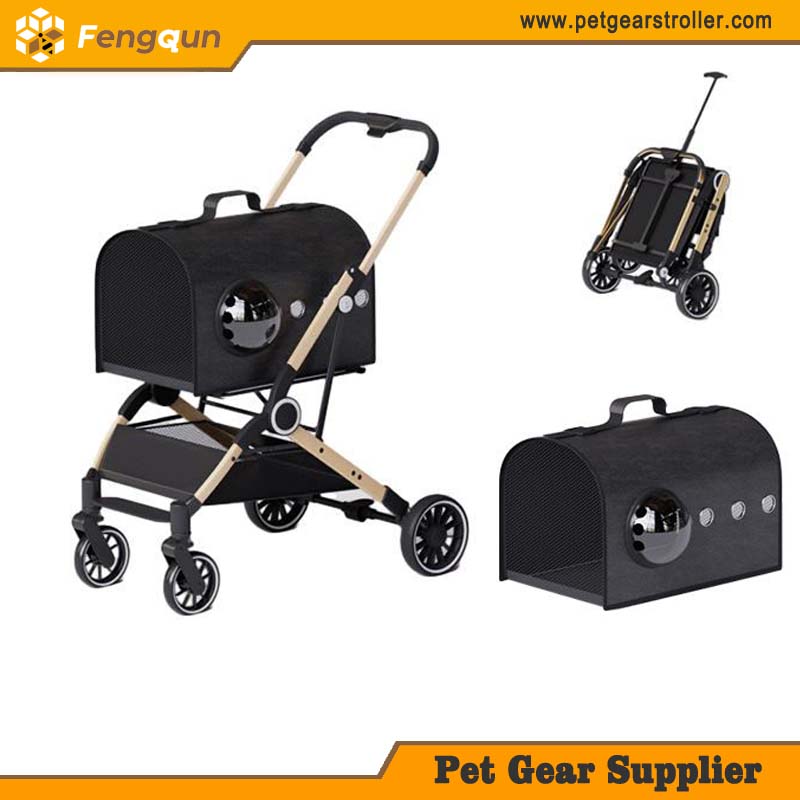
At its core, a wheelchair pet stroller is a specialized mobility device that merges the functionality of a dog wheelchair—typically featuring wheels to support weakened hindquarters—with the push-friendly design of a pet stroller. This hybrid allows pets with disabled hind legs but functional front legs to self-propel, while owners can assist on uneven terrain or during longer outings.
Unlike standard pet strollers, which are enclosed carriers on wheels for passive transport, or basic wheelchairs that require constant pet effort, this combination provides flexibility. Models like the Pet Gear No-Zip Pet Stroller or the adjustable options from Walmart integrate wheelchair harnesses with stroller frames, enabling seamless transitions. For instance, the frame might include detachable wheels that convert the stroller into a full-support cart, ideal for pets recovering from surgery.
These devices come in various sizes, from extra-small for cats and toy breeds to large for big dogs like Labradors. Materials are lightweight yet durable—aluminum frames for rust resistance, breathable mesh for ventilation, and padded harnesses to prevent chafing. Customization is key; brands like Best Friend Mobility offer adjustable heights and widths to fit a pet's specific measurements, ensuring ergonomic support.
The evolution of these strollers stems from pet owners' innovations. Eddie’s Wheels, founded by a couple whose dog needed help, pioneered custom builds that match a pet's body shape and disability type. Today, they're equipped with features like shock-absorbing tires for off-road use and quick-release mechanisms for easy storage.
Key Features to Look For
When selecting a wheelchair pet stroller, several features stand out as essential for safety, comfort, and usability. First, adjustability is paramount. Look for models with telescoping frames that accommodate growth or weight changes, like those from Walkin' Pets, which offer full or rear support configurations.
Durability comes next—opt for weather-resistant materials and sturdy wheels. Pneumatic tires handle rough paths better than plastic ones, reducing vibrations that could exacerbate joint pain. Brands like Funimpact emphasize budget-friendly yet robust designs for large dogs.
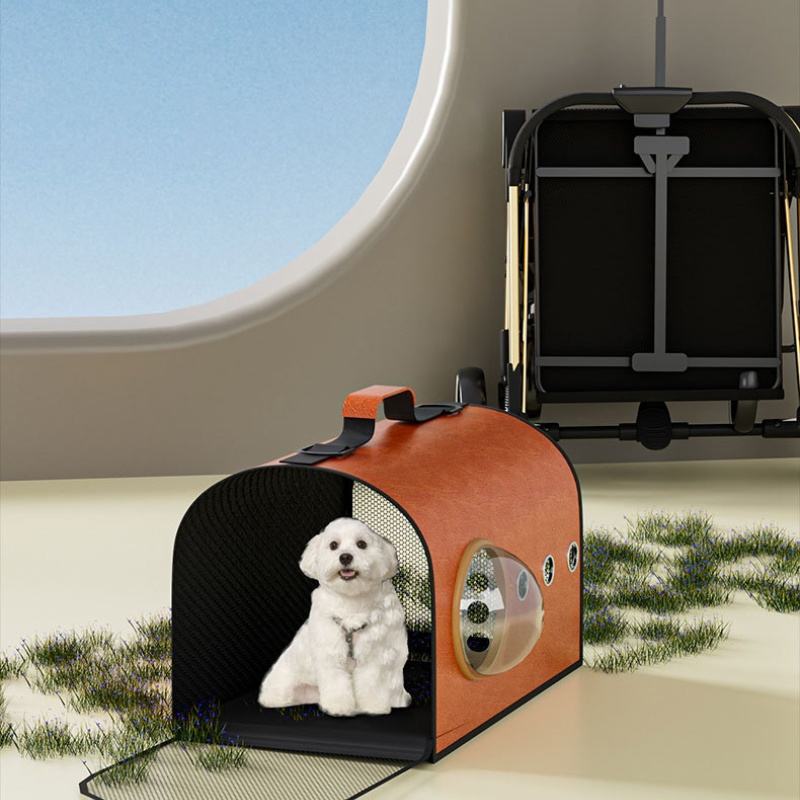
Comfort features include padded interiors, breathable fabrics, and ergonomic harnesses that allow natural elimination without removal. Some models, such as the HPZ Pet Rover XL, boast high clearances for wheelchair or hospital bed access, making them versatile for indoor use too.
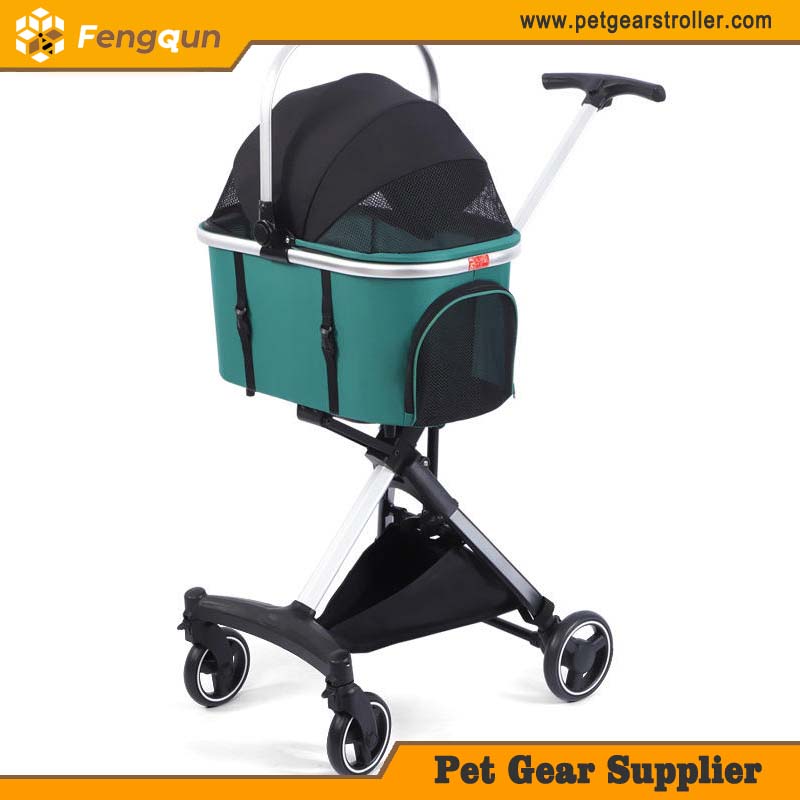
Ease of assembly and portability are crucial for busy owners. Foldable designs that fit in car trunks, like the Carlson Pet Products stroller, score high in reviews for their swivel wheels and mesh canopies. Additional perks might include storage pockets for treats or leashes, reflective strips for night visibility, and even convertible options for biking.
Safety mechanisms, such as locking brakes and secure latches, prevent accidents. For tech-savvy owners, some advanced models integrate with apps for tracking activity levels, though these are rarer.
The Profound Benefits for Pets and Owners
The benefits of a wheelchair pet stroller extend far beyond basic mobility. Physically, it helps pets regain independence, allowing them to walk, run, and play without overexertion. This exercise combats muscle atrophy, improves circulation, and reduces joint strain, potentially slowing disease progression.
Mentally, the freedom boosts confidence and reduces anxiety. Pets in strollers stay engaged with their environment, sniffing new scents and interacting socially, which wards off depression. For senior or recovering animals, it aids rehabilitation by providing controlled movement without full weight-bearing.
Owners benefit too—easier outings strengthen bonds and alleviate guilt over a pet's limitations. Strollers make travel feasible, from parks to malls, enhancing family inclusivity. Economically, they can be cost-effective compared to repeated vet visits for complications from immobility.
Real Reviews and Testimonials
User feedback underscores the transformative power of these devices. One owner shared on Amazon about the Pet Gear No-Zip: "My paralyzed dachshund is zooming around like a puppy again—assembly was a breeze!"
On Reddit, a user praised a mobility cart-stroller hybrid for their elderly large dog: "It was easy for him to load himself, perfect for arthritis relief." The Burley Bark Ranger earned rave reviews for three-legged dogs, with one saying, "Tripawd approved—sturdy and adventure-ready."
Facebook groups echo this: "The HPZ Pet Rover XL reaches wheelchair height, a game-changer for my disabled pup." Consumer Reports highlights models like BestPet for their performance on varied terrains.
How to Choose and Use One Effectively
Choosing the right model starts with assessing your pet's size, disability, and lifestyle. Measure height, length, and weight accurately, then compare to product specs. Budget options like Funimpact suit casual use, while premium ones like Eddie's Wheels offer custom fits.
Usage tips: Introduce gradually with treats to build positive associations. Start on flat surfaces, monitoring for discomfort. Regular cleaning prevents infections, and vet check-ups ensure proper fit.
 Conclusion
The wheelchair pet stroller is undeniably a must-have, empowering disabled pets to reclaim their freedom and vitality. By investing in one, you're not just buying a product—you're gifting a fuller life. Explore options today and witness the transformation.
For more the wheelchair pet stroller lets disabled pets regain freedom, you can pay a visit to FengQun Pet Gear Supplier for more info.






