Current Mainstream Pet Cart - Cat Cart
Cat carts, encompassing pet strollers, wheelchairs, and wagons designed for feline mobility, are innovative solutions that enhance the quality of life for cats and their owners. These carts provide safe, comfortable transport for cats with mobility issues, those needing outdoor access, or owners seeking to include their pets in activities like walks or travel. Unlike traditional pet carriers, cat carts offer versatility, combining functionality with style and safety. At the heart of this niche industry are cat cart manufacturers, who blend engineering, veterinary expertise, and design to create products tailored to feline needs. From lightweight strollers for urban pet owners to custom wheelchairs for cats with disabilities, these manufacturers prioritize animal welfare and user convenience. This article delves into the world of cat cart manufacturing, exploring their production processes, types, technological advancements, applications, market trends, and contributions to sustainability. By understanding the innovation behind cat cart manufacturers, we gain insight into an industry that enhances feline mobility, strengthens pet-owner bonds, and promotes eco-conscious design.
Understanding Cat Carts
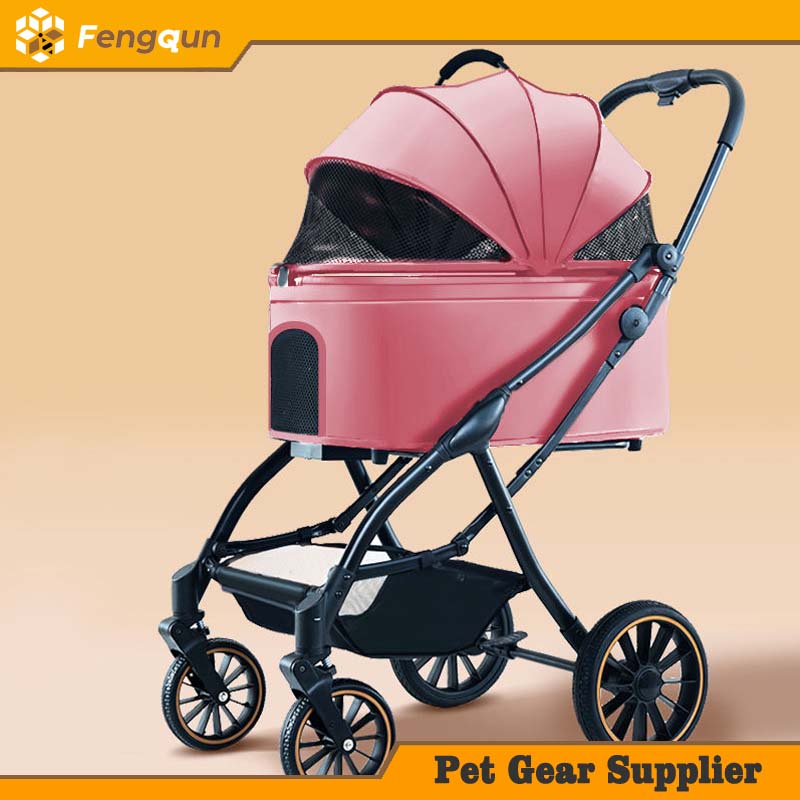
Cat carts are specialized vehicles designed to transport or assist cats, offering solutions for mobility, safety, and outdoor engagement. Unlike dog carts, which have historical roots in horse-drawn carriages, cat carts are a modern concept, primarily encompassing pet strollers, wagons, and wheelchairs. These products cater to cats with mobility challenges (e.g., arthritis or paralysis), urban cats needing safe outdoor access, or owners seeking convenient ways to include pets in daily activities.
Pet strollers, for instance, feature enclosed compartments with mesh panels for ventilation, allowing cats to enjoy walks while protected from environmental hazards. Wheelchairs, often custom-built, support cats with hind or front leg impairments, enabling them to move freely. Wagons, though less common, are used for transporting multiple cats or larger felines. Cat-pulled carts, while rare, are emerging in recreational contexts, inspired by canine carting, where cats pull lightweight carts for exercise.
Cat cart manufacturers focus on creating products that prioritize feline comfort, safety, and ease of use. They incorporate lightweight materials, ergonomic designs, and safety features like leashes or harnesses, ensuring cats remain secure while enjoying enhanced mobility or outdoor experiences.
The Role of Cat Cart Manufacturers
Cat cart manufacturers play a crucial role in the pet mobility industry by designing and producing vehicles that cater to the unique needs of cats and their owners. Their primary role is to innovate, manufacture, and distribute carts that enhance feline mobility, safety, and comfort. This involves research and development (R&D) to create products that are lightweight, durable, and tailored to feline physiology, often in collaboration with veterinarians and pet behaviorists.
Manufacturers work with pet owners, retailers, and veterinary professionals to deliver solutions for various scenarios, such as strollers for urban cat owners or wheelchairs for cats with disabilities. They ensure product quality through rigorous testing, evaluating factors like stability, weight capacity, and pet comfort. For example, wheelchairs are tested to ensure they support mobility without causing strain, while strollers are checked for ventilation and safety.
Education and support are key responsibilities. Manufacturers provide guidance on proper use and fitting, as incorrect sizing can affect a cat’s comfort or safety. They also promote the benefits of cat carts—such as enabling outdoor access, supporting disabled pets, and enhancing pet-owner bonding—to drive market adoption. Sustainability is a growing focus, with manufacturers adopting eco-friendly materials and production processes to align with environmental goals, positioning themselves as leaders in responsible pet care.
The Manufacturing Process of Cat Carts
Producing cat carts, whether strollers, wheelchairs, or wagons, is a meticulous process that combines engineering, veterinary input, and design expertise. The manufacturing process typically includes the following stages:
1. Design and Material Selection: Manufacturers select lightweight, durable materials like aluminum, stainless steel, or high-strength plastics for frames, ensuring ease of use for owners and comfort for cats. Fabrics like waterproof nylon or breathable mesh are used for enclosures in strollers and wagons. For wheelchairs, materials are chosen for flexibility and strength to support feline mobility.
2. Frame Construction: Stroller and wagon frames are welded or assembled from tubular metal or plastic, designed to be foldable for storage. Wheelchairs are custom-built based on precise measurements of the cat’s body, using ultralight aluminum for minimal weight. Wheels, such as flat-free or inflatable tires, are added for smooth movement across various terrains.
3. Enclosure or Harness Integration: Strollers and wagons feature enclosed compartments with mesh panels for ventilation and visibility, often including safety leashes or harnesses. Wheelchairs incorporate adjustable harnesses, typically made from padded nylon, to secure the cat comfortably without restricting movement.
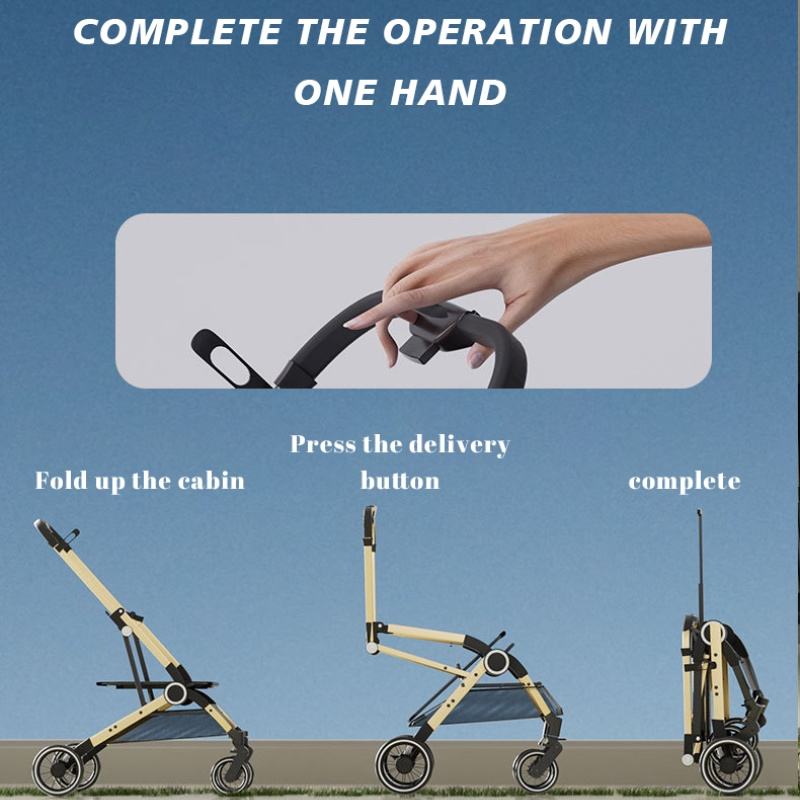
4. Functional Enhancements: Manufacturers add features like shock absorbers, swiveling wheels, and hand brakes for strollers and wagons to ensure maneuverability and safety. Wheelchairs include adjustable frames and support saddles, designed with veterinary input to promote ergonomic movement and prevent strain.
5. Quality Control and Testing: Each cart undergoes rigorous testing to verify stability, weight capacity (e.g., up to 50 pounds for strollers), and durability. Wheelchairs are tested for balance and comfort, ensuring they support cats without causing discomfort. Tests simulate real-world conditions, such as uneven surfaces or prolonged use.
6. Finishing and Packaging: Carts are finished with durable, pet-safe coatings or fabrics, often in vibrant colors or patterns for aesthetic appeal. They are then packaged with assembly instructions and shipped to retailers or end-users.
This process requires advanced machinery, skilled craftsmanship, and a focus on feline welfare to produce safe, functional, and durable cat carts.
Types of Cat Carts
Cat cart manufacturers produce a variety of products tailored to specific needs and feline sizes. The main types include:
· Pet Strollers: Designed for transporting cats, these feature enclosed compartments with mesh windows for ventilation and visibility. They include safety leashes, storage compartments, and foldable frames, ideal for urban walks or travel.
· Pet Wheelchairs: These mobility aids support cats with hind or front leg impairments due to conditions like arthritis or paralysis. Custom-built with lightweight aluminum and adjustable harnesses, they enable cats to walk, run, and play.
· Pet Wagons: Larger than strollers, wagons are used for transporting multiple cats or larger felines. They feature sturdy frames, large wheels, and ramps for easy access, suitable for outdoor adventures or veterinary visits.
· Cat-Pulled Carts: Though rare, these lightweight carts are designed for cats to pull in recreational or training activities, inspired by canine carting. They feature adjustable harnesses and small-scale frames to suit feline strength and size.
· Bicycle Trailers: These trailers attach to bicycles, allowing cats to ride safely during bike trips. They include mesh covers, safety leashes, and foldable designs for convenience.
Each type is engineered for specific purposes, from mobility support to safe transport, with manufacturers offering customization to ensure a perfect fit for individual cats and owner preferences.
Technological Advancements in Cat Cart Manufacturing
The cat cart industry is evolving with technological advancements that enhance functionality, safety, and user experience. Manufacturers are leveraging innovations to meet the growing demand for pet mobility solutions.
Lightweight Materials: Advances in materials like ultralight aluminum and high-strength plastics have reduced cart weight, making strollers and wheelchairs easier for owners to handle and less burdensome for cats. For example, wheelchair frames are designed to be as light as 2-3 pounds for feline comfort.
Adjustable and Ergonomic Designs: Wheelchairs feature fully adjustable frames and harnesses, allowing owners to customize fit at home based on their cat’s size and condition. Veterinary-designed support systems ensure ergonomic movement, reducing strain on joints or muscles.
Terrain-Adaptive Features: Strollers and wagons now include large, flat-free tires, shock absorbers, and swiveling wheels for smooth navigation on grass, gravel, or pavement. Bicycle trailers feature inflatable tires and suspension systems for stability during rides.
Safety Enhancements: Manufacturers incorporate safety features like internal leashes, reflective strips, and hand brakes in strollers and wagons to ensure cat security. Wheelchairs include stable wheel designs and padded harnesses to prevent tipping or discomfort.
Smart Features: Emerging technologies include IoT-enabled tracking in high-end strollers, allowing owners to monitor their cat’s activity or location via smartphone apps. Some manufacturers are exploring sensor-based systems to alert owners if a cat becomes stressed or overheated.
Sustainability Innovations: Manufacturers are adopting eco-friendly materials, such as recyclable plastics and fabrics, and using energy-efficient production processes. Some incorporate recycled components in stroller and wagon designs, aligning with sustainability goals.
Automation and Customization: Automated manufacturing ensures precision in frame construction, while digital tools enable custom wheelchair designs based on detailed pet measurements. This ensures optimal fit and performance, enhancing feline comfort.
These advancements make cat carts more durable, user-friendly, and tailored to feline needs, supporting both recreational and therapeutic applications.
Market Trends and Industry Outlook
The cat cart market is growing steadily, driven by increasing pet ownership, urbanization, and demand for pet mobility solutions. Industry trends suggest a compound annual growth rate (CAGR) of 6-10% through the next decade, fueled by applications in pet care, travel, and mobility support.
Urban Pet Ownership: As urban living limits outdoor space for cats, pet strollers are gaining popularity, allowing owners to safely take cats on walks or to public spaces. Brands like Petique and Gen7Pets report strong demand for stylish, functional strollers.
Pet Mobility Needs: With 10-15% of cats developing mobility issues due to age or injury, demand for wheelchairs is rising. Companies like K9 Carts and Walkin’ Pets offer custom solutions tailored to feline needs, driving market growth.
E-commerce and Customization: Online platforms like Amazon, Chewy, and manufacturer websites make cat carts widely accessible. Custom options, such as adjustable wheelchairs or personalized stroller designs, are increasingly popular among pet owners.
Challenges include high costs for custom products and the need for proper sizing to ensure cat comfort. Manufacturers are addressing these through scalable production and detailed fitting guides. The integration of smart features, like activity tracking, is an emerging trend expected to drive future growth.
Sustainability and Animal Welfare
Cat cart manufacturers prioritize animal welfare and sustainability. Strollers and wheelchairs enhance feline quality of life by enabling outdoor access and mobility for cats with disabilities, promoting physical and mental health. Custom designs ensure ergonomic fit, reducing strain and enhancing comfort.
In production, manufacturers use recyclable materials, such as aluminum and eco-friendly fabrics, and adopt energy-efficient processes to minimize environmental impact. Some incorporate recycled components in strollers and wagons, aligning with circular economy principles.
By supporting feline independence and safe outdoor engagement, cat carts contribute to animal welfare, while sustainable practices help reduce the industry’s carbon footprint, making manufacturers key players in eco-conscious pet care.

Conclusion
Cat cart manufacturers are innovating to enhance feline mobility, safety, and quality of life, delivering products that cater to modern pet owners’ needs. From pet strollers to custom wheelchairs, these manufacturers combine engineering, veterinary expertise, and design to create functional, stylish, and sustainable solutions. Their focus on lightweight materials, adjustable designs, and eco-friendly practices ensures that cat carts are safe, durable, and environmentally responsible. As demand for pet mobility solutions grows, manufacturers are well-positioned to lead the market, offering customized products that strengthen pet-owner bonds. By prioritizing animal welfare and sustainability, cat cart manufacturers are not only meeting today’s needs but also shaping a future where cats can enjoy active, fulfilling lives. Through continued innovation and education, they are paving the way for a new era of feline-centric design and environmental consciousness.
For more about current mainstream pet cart - cat cart, you can pay a visit to FengQun Pet Gear Supplier for more info.






