The Ultimate Guide To Dog Cart
Dog carts, historically two- or four-wheeled horse-drawn carriages designed to transport hunting dogs, have evolved into a diverse category that includes modern carts pulled by dogs for exercise, competition, or utility, as well as mobility aids like pet wheelchairs. These versatile vehicles bridge tradition and innovation, serving purposes ranging from recreational canine draft work to assisting dogs with mobility challenges. Dog cart manufacturers, blending craftsmanship with modern engineering, create products that cater to pet owners, sports enthusiasts, and those seeking mobility solutions for disabled pets. From Victorian-era sporting carriages to lightweight, custom-built carts for canine carting, the dog cart industry reflects a commitment to functionality, animal welfare, and sustainability. This article explores the world of dog cart manufacturing, detailing their historical roots, modern designs, production processes, types, technological advancements, market trends, and contributions to sustainability. By understanding the expertise behind dog cart manufacturers, we gain insight into an industry that enhances the lives of dogs and their owners while preserving a historical legacy and embracing modern innovation.
Historical Context of Dog Carts
The term "dog cart" originally referred to a two- or four-wheeled horse-drawn vehicle developed in the early 1800s for sporting shooters and their gun dogs. Designed to seat four people in a dos-à-dos (back-to-back) arrangement, these carts featured a louvered box under the driver’s seat to house dogs, ensuring their safety during transport to hunting grounds. The two-wheeled version was pulled by a single horse in shafts, while four-wheeled variants, known as dogcart phaetons, could use a pair of horses with a carriage pole. Regional designs, such as the Malvern cart, Norfolk shooting cart, or Ralli dogcart, varied in style and functionality, reflecting local preferences and needs.
Dog carts were a common sight in the Victorian era, frequently mentioned in literature, including Sir Arthur Conan Doyle’s Sherlock Holmes stories, highlighting their cultural significance. Their lightweight design and balance mechanisms, such as sliding bodies to adjust weight distribution, made them practical for rural terrains. Over time, the concept of dog carts evolved, with modern interpretations focusing on carts pulled by dogs for exercise, competition, or utility, as well as wheelchairs for mobility-impaired pets, reflecting a shift toward canine-centric applications.
Modern Dog Carts: Purpose and Applications
Today, dog carts encompass a range of vehicles, including those pulled by dogs for recreational or competitive carting and mobility aids like pet wheelchairs. Dog-pulled carts, crafted for medium to large dogs, goats, or mini horses, provide exercise and mental stimulation by giving pets an active role, such as pulling owners or hauling items. These carts, often made with tubular steel or lightweight wood, feature adjustable shafts, foot brakes, and padded seats for user comfort.
Pet wheelchairs, another modern iteration, assist dogs with mobility issues due to arthritis, injuries, or conditions like degenerative myelopathy. Custom-built by companies like K9 Carts and Eddie’s Wheels, these wheelchairs are lightweight, adjustable, and designed to fit individual dogs, enabling them to walk, play, and maintain an active lifestyle.
Dog carts are used in various settings: recreational carting for pet owners, competitive draft work in canine sports, and mobility support for disabled pets. They enhance animal welfare by promoting physical activity and independence, while also fostering stronger bonds between pets and owners through shared activities. Manufacturers play a key role in ensuring these carts are safe, durable, and tailored to specific needs.
The Manufacturing Process of Dog Carts
The production of dog carts, whether for pulling or mobility, is a meticulous process that blends traditional craftsmanship with modern engineering. The manufacturing process varies by cart type but generally includes the following stages:
1. Design and Material Selection: Manufacturers select materials based on the cart’s purpose. For dog-pulled carts, super-strong tubular steel or lightweight wood, like quartersawn white oak, is used for durability and aesthetics. Pet wheelchairs often use ultralight aluminum or composite materials for ease of movement. High-quality harnesses, made from materials like nylon or leather, are designed to ensure comfort and safety.
2. Frame Construction: For dog-pulled carts, frames are welded or assembled from tubular steel or wood, incorporating features like a third wheel for balance or adjustable axles to fit different dog sizes. Pet wheelchairs are custom-built based on precise measurements of the dog’s body, ensuring a perfect fit. Components like wheels (e.g., 20-inch flat-free tires) and shock absorbers are added for stability and maneuverability.
3. Harness Integration: For pulling carts, manufacturers design harnesses, such as Siwash harnesses, with features like breeching straps to handle heavier loads safely. These harnesses are adjustable to fit various breeds and ensure comfort during pulling.
4. Functional Enhancements: Dog-pulled carts may include foot brakes, padded seats, and adjustable shafts for user and animal comfort. Pet wheelchairs feature fully adjustable frames, allowing owners to fine-tune fit at home, and are designed by veterinary experts for ergonomic support.
5. Quality Control and Testing: Each cart undergoes rigorous testing to ensure safety and performance. For pulling carts, tests verify weight capacity (up to 250 pounds for some models) and balance. Wheelchairs are tested for stability and comfort, often with veterinary input to ensure they support mobility without causing strain.
6. Finishing and Packaging: Carts are powder-coated or finished with durable coatings for longevity and aesthetics. They are then disassembled or folded for shipping, with clear instructions for assembly and use.
This process requires skilled craftsmanship, advanced machinery, and a focus on animal welfare to produce safe, functional, and durable dog carts.
Types of Dog Carts
Dog cart manufacturers produce a variety of carts tailored to specific purposes and animal sizes. The main types include:
· Dog-Pulled Carts: Designed for medium to large dogs, these carts feature a three-wheel configuration with a foot brake and adjustable shafts. They are used for recreational pulling or competitive draft work, with weight capacities up to 250 pounds. Variants include seated carts for owners and wagon-style carts for hauling items.
· Custom Dog Carts: Built to fit specific breeds or sizes, these carts are lightweight and adjustable, often used in draft competitions. They feature removable side slats, weight inserts for added challenge, and multi-position axles for versatility.
· Pet Wheelchairs: These mobility aids support dogs with hind or front leg impairments. Available in rear-support or full-support models, they are custom-made with ultralight materials and adjustable frames to ensure comfort and mobility.
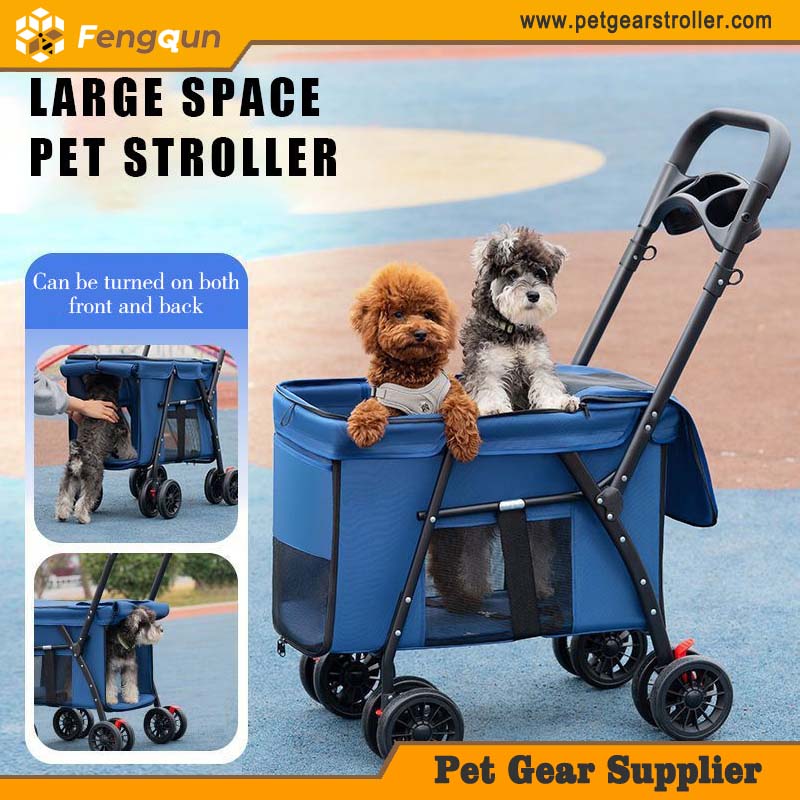
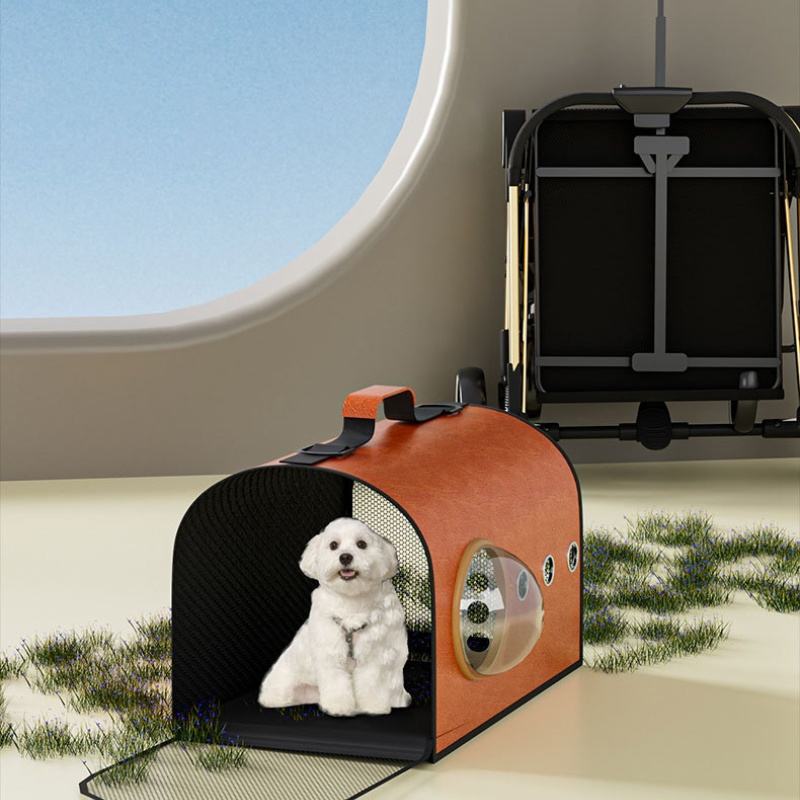
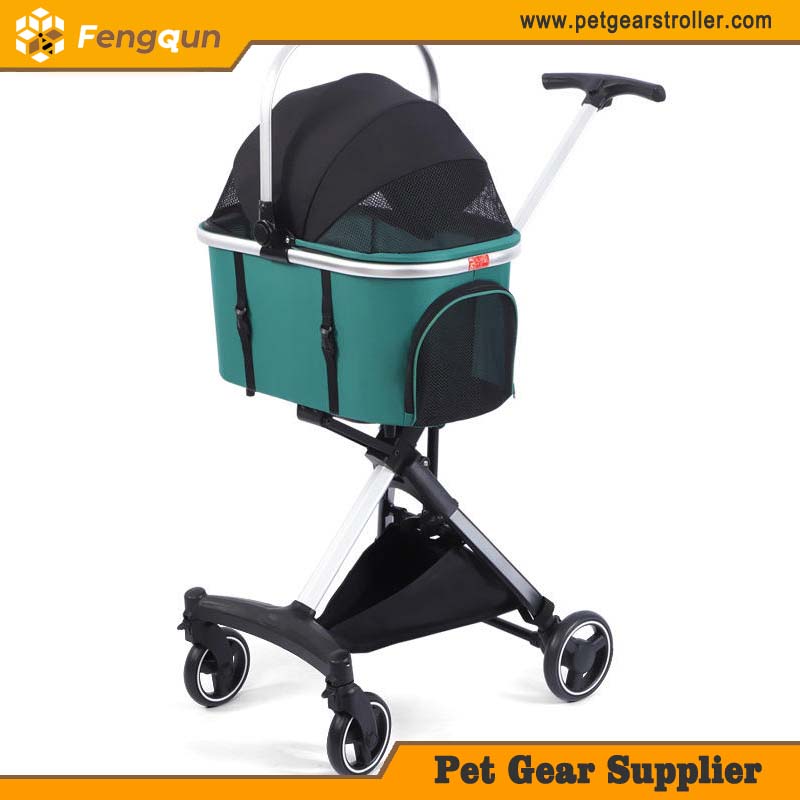
· Dog Wagons and Strollers: While not pulled by dogs, these wagons are included in the broader dog cart category for transporting dogs with mobility issues. They feature large wheels, mesh panels for ventilation, and ramps for easy access, suitable for large or multiple dogs.
· Bicycle Trailers: Designed for dogs to ride in while owners bike, these trailers attach to bicycles and feature safety leashes, mesh covers, and foldable designs for convenience.
Each type is engineered for specific needs, from competitive carting to mobility support, with manufacturers offering customization to ensure a perfect fit for the animal and owner.
Technological Advancements in Dog Cart Manufacturing
The dog cart industry has seen significant advancements, enhancing functionality, safety, and animal welfare. Manufacturers are leveraging modern technologies to meet diverse needs.
Lightweight Materials: Advances in materials like ultralight aluminum and composite plastics have reduced cart weight, making them easier for dogs to pull or use as wheelchairs. For example, K9 Carts uses lightweight frames designed by veterinary experts for optimal mobility.
Adjustable Designs: Modern dog carts feature adjustable axles, shafts, and frames to accommodate various dog sizes and activities. Pet wheelchairs are fully adjustable at home, ensuring a custom fit without repeated professional adjustments.
Ergonomic Harnesses: For pulling carts, manufacturers have improved harness designs, incorporating breeching straps and padded materials to reduce strain and enhance comfort. Siwash harnesses, for instance, are tailored for safe load distribution during draft work.
Terrain-Adaptive Features: Dog-pulled carts and wagons now include large, flat-free tires, dual independent suspensions, and damping-rate shock absorbers for smooth performance across various terrains. Bicycle trailers feature inflatable tires for stability during rides.
Safety Enhancements: Features like foot brakes, dual disc brakes, and safety leashes ensure control and security. Pet wheelchairs include harness clips and stable wheel designs to prevent tipping, prioritizing animal safety.
Sustainability Innovations: Manufacturers are adopting eco-friendly practices, such as using recyclable materials and powder-coated finishes to reduce environmental impact. Some incorporate recycled components in wagon designs, aligning with sustainability goals.
Automation and Customization: Automated manufacturing processes ensure precision in frame construction, while digital tools allow for custom designs based on precise pet measurements. This ensures carts are tailored to individual animals, enhancing comfort and performance.
These advancements make dog carts more durable, user-friendly, and accessible, catering to both recreational and therapeutic needs.
Market Trends and Industry Outlook
The dog cart market is growing steadily, driven by increasing interest in canine sports, pet wellness, and mobility solutions. Industry trends suggest a compound annual growth rate (CAGR) of 5-8% through the next decade, fueled by demand in recreational carting and pet mobility aids.
Canine Sports and Recreation: The popularity of dog carting as a sport and exercise activity is rising, with owners seeking carts for draft competitions or casual pulling. Companies like Wilczek Woodworks and Custom Dog Carts cater to this niche with lightweight, custom-built designs.
Pet Mobility Solutions: The growing prevalence of mobility issues in aging pets, with 20% of dogs over one suffering from arthritis, is driving demand for pet wheelchairs and wagons. Manufacturers like K9 Carts and Eddie’s Wheels report strong demand for custom mobility aids.
E-commerce and Customization: Online platforms like Amazon and Walmart offer a wide range of dog carts and wagons, making them accessible to a global market. Custom options are increasingly popular, allowing owners to specify cart sizes and features.
Challenges include high production costs for custom carts and the need for proper fitting to ensure animal comfort. Manufacturers are addressing these through scalable production and detailed sizing guides. The integration of dog carts with smart features, such as IoT-enabled tracking for pet activity, is an emerging trend expected to drive future growth.
Sustainability and Animal Welfare
Dog cart manufacturers prioritize sustainability and animal welfare. Pet wheelchairs and pulling carts enhance quality of life for dogs with mobility issues or those needing physical activity, promoting mental and physical health. Custom designs ensure ergonomic fit, reducing strain and preventing injury.
In production, manufacturers use recyclable materials, such as aluminum and steel, and eco-friendly coatings to minimize environmental impact. Some incorporate recycled components in wagons, aligning with sustainability goals. Energy-efficient manufacturing processes further reduce the carbon footprint.
By enabling dogs to stay active and independent, dog carts support animal welfare, while sustainable practices contribute to environmental conservation, making manufacturers key players in eco-conscious pet care.
Conclusion
Dog cart manufacturers are bridging tradition and innovation, delivering products that enhance canine mobility, exercise, and quality of life. From historical horse-drawn carriages to modern dog-pulled carts and pet wheelchairs, these manufacturers combine craftsmanship with advanced technology to meet diverse needs. Their focus on lightweight materials, adjustable designs, and sustainability ensures that dog carts are safe, durable, and environmentally responsible. As demand for recreational carting and mobility solutions grows, manufacturers are well-positioned to lead the market, offering customized, high-quality products. By prioritizing animal welfare and sustainability, dog cart manufacturers are not only preserving a historical legacy but also shaping a future where pets and owners can enjoy active, fulfilling lives together. Through continued innovation and education, they are paving the way for a new era of canine-centric design and environmental consciousness.
For more about the ultimate guide to dog cart, you can pay a visit to FengQun Pet Gear Supplier for more info.






