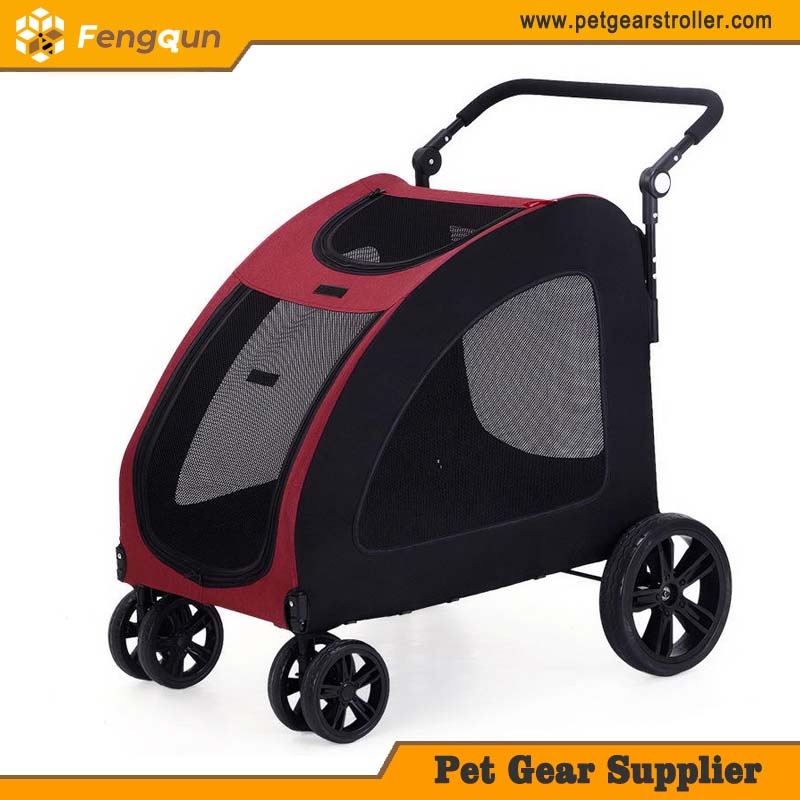
Why Pet Gear Stroller Wheels Wobble and Shake, and How to Fix It?
Pushing your beloved pet for a walk when the front wheel suddenly starts shaking violently, coffee spilling from the holder, and the stroller becoming difficult to control—this is not only a poor user experience but can also compromise your pet's safety. Wheel wobble is one of the most common issues reported by pet stroller users, particularly with popular brands like Pet Gear stroller models. This article will delve into the root causes of the shaking and provide a systematic, step-by-step guide to resolving the issue.
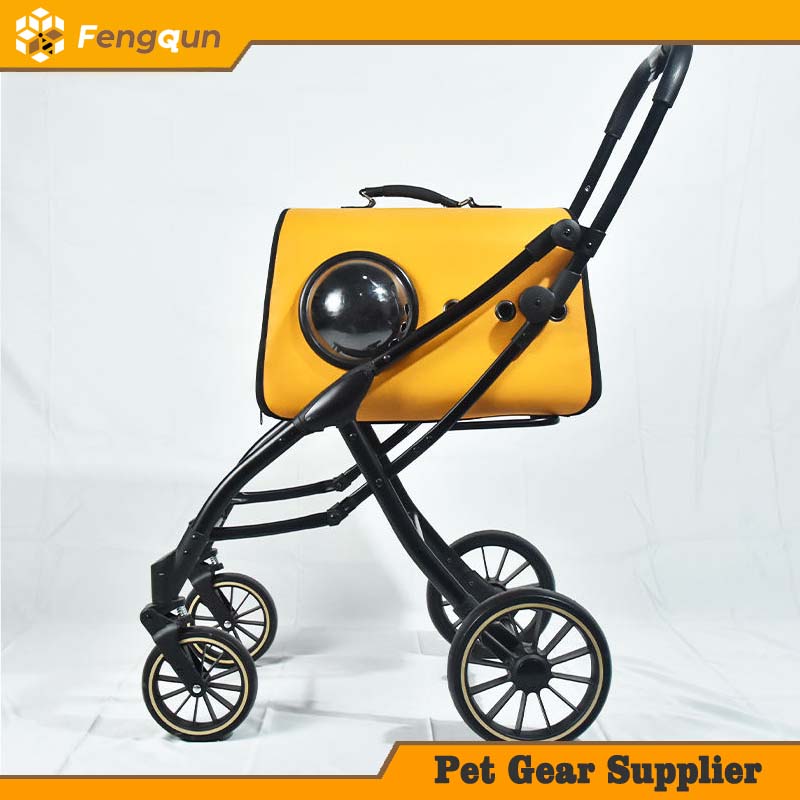
1. Why Do the Wheels Wobble? Five Core Reasons Explained
The wobbling of a pet stroller's front wheel is rarely a random event; it is typically the result of mechanical factors, usage habits, and maintenance conditions. Understanding these causes is the first step toward a solution.
1. Loose Axle Nuts
This is the most common and easiest problem to fix. Wheels are secured to the frame by axle nuts. The vibrations from日常 use on bumpy surfaces, the torque from turning, and general wear and tear can gradually loosen these nuts. A loose nut creates a gap between the wheel and the axle. As you push the stroller, the wheel wobbles from side to side within this gap, manifesting as a visible shake.
2. Worn or Damaged Bearings
The bearings inside the wheel hub are critical for smooth rotation. These精密 components consist of metal races and small balls. Prolonged use on rough terrain, lack of lubrication after exposure to water, or exceeding the weight limit can lead to bearing wear, rust, or even破碎的 balls. Worn bearings cannot稳定 hold the rotating axle, causing the wheel to wobble, often accompanied by grinding noises or a jerky rotation.
3. Front Wheel Misalignment
Many pet strollers feature front swivel wheels for better maneuverability. However, if the wheel alignment is off—due to the wheel fork being bent from an impact or the wheel not being seated properly during installation—the wheel's direction of travel may not be parallel to the stroller's axis. When pushed, the wheel constantly tries to correct itself, resulting in a shaking motion.
4. Damaged Wheel Structure
Wheels can suffer physical damage over time: uneven tire wear, cracks in the hub, or broken spokes. These structural issues破坏 the wheel's dynamic balance, causing a rhythmic wobble, particularly at certain speeds. User feedback for some brands, including certain Pet Gear stroller models, has pointed to durability concerns, suggesting that manufacturing quality can impact overall component longevity.
5. Flawed Locking Mechanism Design
For strollers with lockable front swivel wheels (used for jogging mode), some designs may have inherent play even when locked. User reports indicate that while the front wheel needs to be locked for jogging, doing so can make turning difficult and the wobble might persist, suggesting the locking mechanism itself could be a weak point.
2. Systematic Diagnosis: How to Pinpoint the Cause of the Wobble?
Before starting any repairs, accurately diagnose the problem by following these steps:
Static Check: Place the stroller on level ground. Grasp the front wheel firmly and try to wiggle it side-to-side. Significant play indicates loose nuts or worn bearings. Try moving the wheel up and down to check for vertical looseness.
Spin Check: Lift the stroller so the front wheel is off the ground. Give the wheel a fast spin and feel for smoothness. If you feel grinding, roughness, or hear a "gritty" sound, the bearings are likely damaged.
Visual Inspection: Examine the hub for cracks and the tire tread for uneven wear. Look at the stroller from the front to see if both front wheels appear to point in the same direction.
Push Test: Push the stroller on different surfaces and observe if the wobble changes with speed. Balance-related wobbles often become most noticeable within a specific speed range.
3. Step-by-Step Solutions: From Simple to Complex
Choose the solution that matches your diagnosis.
Step 1: Tighten All Connections
For loose nuts, this is a simple fix:
Use the correct size wrench to check and tighten the axle nuts.
Be careful not to overtighten, as this can crush the bearings or make the wheel difficult to spin.
Also, check and tighten any other screws on the wheel assembly, including those securing the fork.
Step 2: Replace Worn Bearings
If bearings are the issue, you'll need replacements:
Consult your user manual or contact the manufacturer to get the correct bearing specifications.
Disassemble the wheel: Usually, this involves removing the axle nut, pulling out the axle, and then using a tool to tap the old bearings out of the hub.
Install new bearings: Use a专用 tool or a socket slightly smaller than the bearing's outer race to press the new ones in evenly. Never hammer directly on the bearing race.
Reassemble and test for smooth rotation.
Step 3: Adjust Wheel Alignment
For alignment problems:
Check if the wheel fork is bent. If visibly damaged, the entire fork assembly may need replacement.
On some models with adjustable forks, you might be able to fine-tune alignment by loosening and repositioning the mounting screws.
If unsure, take a photo and contact the manufacturer for technical support.
Step 4: Replace a Damaged Wheel
If the wheel itself is damaged, it must be replaced:
Ensure the replacement part is fully compatible with your specific stroller model.
When removing the old wheel, note the position of any washers or spacers.
After installing the new wheel, spin it manually to check for rubbing or noise before using the stroller.
4. Preventive Maintenance: Making Your Stroller More Durable
Proper daily care after a repair can significantly reduce the chance of problems recurring. Interestingly, the principles of protecting surfaces from environmental damage apply here too. Just as you might use smart film car window tint to protect a vehicle's interior from UV rays and heat, protecting your stroller's components extends its life.
1. Establish a Regular Inspection Routine
Before each use: Quickly shake the wheels to check for new looseness.
Monthly: Thoroughly check the tightness of all screws and bolts.
Quarterly: Remove the wheels to inspect the bearings and clean out any tangled hair or debris.
2. Proper Lubrication Techniques
Lubricant Choice: Always use a silicone-based lubricant. Avoid solvent-based products like WD-40.
Lubrication Points: Apply to wheel bearings, swivel joints, and folding mechanisms.
Frequency: Lubricate every 1-2 months, or immediately after using the stroller in wet conditions.
3. Smart Cleaning and Storage
Cleaning Method: Use a mild detergent and water to wipe down the frame and wheels.
Drying Requirement: After cleaning, ensure everything is air-dried completely before storing to prevent rust, much like ensuring a car's windows are clean before applying smart film car window tint for a bubble-free finish.
Storage Environment: Store in a dry place, away from direct sunlight and harsh weather conditions that can degrade plastics and rubber.
5. When Should You Seek Professional Help?
While many issues can be DIY projects, contact the manufacturer in these situations:
The wobble persists after replacing bearings.
You find structural cracks or broken welds on the wheel assembly.
The product is under warranty and you suspect manufacturing defects.
You need to order specific replacement parts but are unsure of the correct ones.
Some users have reported mixed experiences with customer service when seeking parts. If you encounter this, try contacting the company through different channels like social media, or seek advice from online pet owner communities who may have faced similar repair challenges.
Conclusion: Smooth Rolling, Worry-Free Adventures
A wobbling wheel on your pet gear stroller is essentially a mechanical "health warning." By following the systematic troubleshooting methods in this guide, most wobble issues can be resolved at home. Regular inspection, scientific lubrication, and timely replacement are the three pillars of maintaining your stroller's performance.
Remember, a smoothly running stroller not only makes your walks more enjoyable but also ensures your furry friend has a comfortable and safe ride. For those with a knack for DIY, consider this article your go-to repair manual. If you're less comfortable with mechanical work, it's still wise to have your stroller professionally serviced periodically. For models where users have reported durability issues, such as fabric wear, proactive maintenance is even more critical than reactive repair.
So, grab your tools and give your pet stroller a quick check-up—that slight wobble might just be a twist of a wrench away from being completely resolved.
For more about Why Pet Gear Stroller Wheels Wobble and Shake, and How to Fix It? you can pay a visit to FengQun Pet Gear Supplier for more info.