Which Features Are Most Important When Choosing a Pet Stroller?
The image of a pampered pooch being wheeled through the park in a stroller has evolved from a novelty to a common sight. Today, pet strollers are recognized as practical tools for a wide range of animals and situations: elderly dogs with arthritis, small or toy breeds in crowded urban areas, anxious pets, recovering post-surgery patients, or multi-pet households. However, with a burgeoning market offering countless models, selecting the right one can be overwhelming. Moving beyond mere aesthetics, a methodical evaluation of key features is essential to ensure safety, comfort, and practicality. This article will dissect the critical features of pet strollers, categorizing them into tiers of importance to guide your decision-making process.
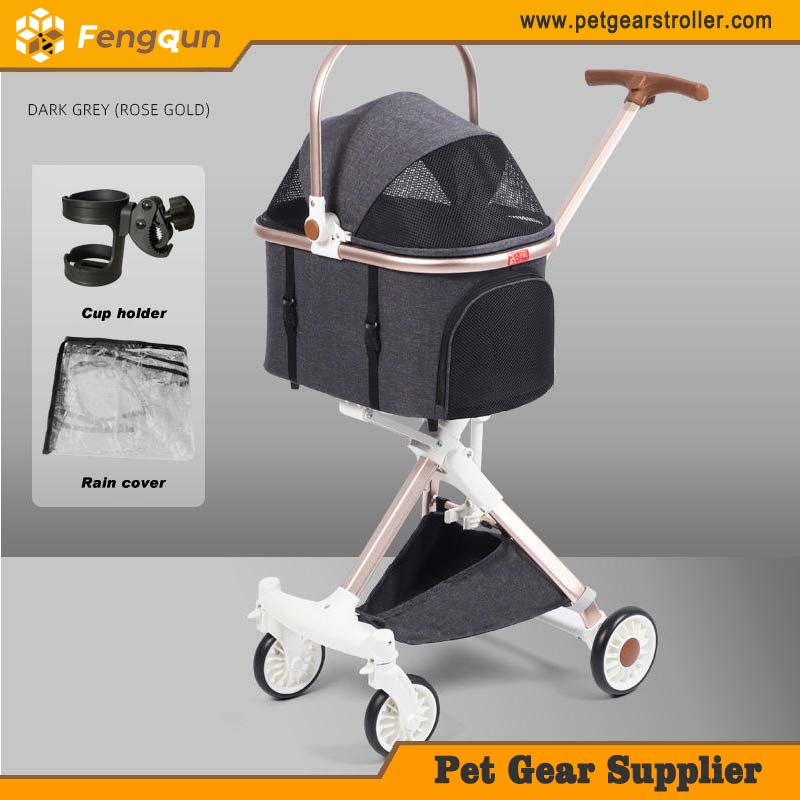
Non-Negotiable Fundamentals (Safety & Core Structure)
These features form the absolute foundation of a good pet stroller. Compromising here risks your pet’s well-being and the product's basic functionality.
1. Weight Capacity and Interior Dimensions:
This is the logical starting point. Exceeding the manufacturer’s stated weight capacity can lead to structural failure, unstable maneuvering, and a dangerous collapse. Weigh your pet accurately and choose a stroller rated for at least 10-20% more than their weight to account for growth, blankets, or toys. Crucially, also check the interior dimensions (length, height, width). Your pet must be able to stand up, turn around comfortably, and lie down stretched out. A cramped stroller is a stressful one.
2. Frame Stability and Wheel Design:
The chassis is the stroller’s skeleton. Look for robust materials like reinforced aluminum or steel. A wobbly frame is a red flag. Wheel design is equally pivotal:
Type: All-terrain wheels (typically 8-10 inches in diameter, with air-filled or thick, rubberized tires) are superior for absorbing shock on uneven sidewalks, gravel paths, or grass. They provide a smoother ride for your pet and require less pushing effort. Smaller, hard-plastic wheels are only suitable for perfectly smooth indoor surfaces.
Swivel vs. Fixed: Front swivel wheels offer superior maneuverability in tight spaces like store aisles. A locking mechanism to fix them in place is essential for stability during long straight walks or on inclines. Rear wheels are usually larger and fixed for driving power.
3. Safety Restraint and Enclosure Security:
A stroller is a moving vehicle. An internal safety tether or leash clip is mandatory to secure your pet’s harness inside the compartment, preventing them from jumping out unexpectedly. The main enclosure—whether zippered, snapped, or fastened—must be utterly secure with robust, pet-proof closures. Check for double zippers or locking mechanisms to deter clever escape artists. Mesh panels should be made of durable, chew-resistant material tightly fastened to the frame.
4. Ventilation and Weather Protection:
Adequate airflow is critical to prevent overheating. Large, fine-mesh panels on multiple sides provide excellent ventilation and visibility. Conversely, the stroller should include removable, waterproof panels or covers that can zip or snap into place over the mesh. This creates a protective shell against rain, wind, or cold, transforming the stroller into a mobile den. A clear, plastic window on the weather cover allows your pet to see out while staying dry.
Essential for Usability and Convenience
Once the safety basics are assured, these features determine how easily the stroller integrates into your daily life.
1. Folding Mechanism and Storage:
If you plan to transport the stroller in a car, this is a top-tier concern. The mechanism should be simple, intuitive, and operable with one hand. One-touch folding systems are the gold standard. When folded, the stroller should have a self-standing capability so it doesn’t topple over, and a compact, relatively flat profile. Check the folded dimensions against your car’s trunk space. A carrying strap or handle on the folded unit is a valuable bonus.
2. Maneuverability and Handling:
Test the handlebar height—it should be adjustable or ergonomically suited to your posture to avoid back strain. The pushing action should be smooth, with minimal wobble. Good weight distribution between front and back wheels is key. A handlebar brake (parking brake) is vital for stopping on hills or when paused. For larger pets or longer walks, consider models with a hand-operated brake on the handlebar for controlled descent on steep slopes.
3. Storage Compartments:
Convenient storage solves logistical headaches. Look for an under-seat basket with a decent weight capacity for carrying water bottles, poop bags, your wallet, or small purchases. Ensure it’s easily accessible. Additional storage pockets on the back of the seat or inside the canopy for treats, a phone, or keys are extremely useful.
4. Ease of Cleaning:
Accidents happen—from mud and rain to urine or car sickness. A stroller with a removable, machine-washable liner/pad is a game-changer. The interior fabric should be water-resistant or easy to wipe down. Avoid complex, crevice-heavy interiors that trap hair and dirt.
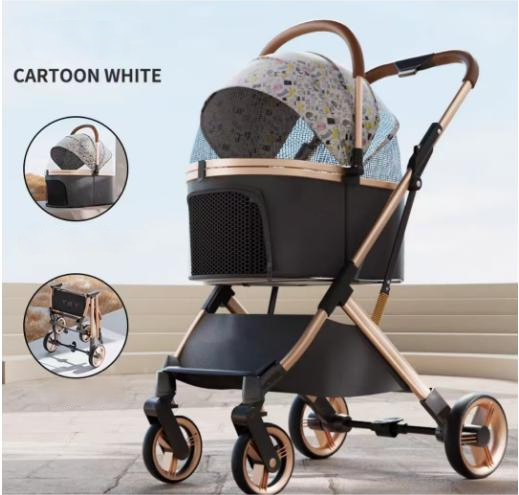
Comfort and Specialized Enhancements
These features elevate the experience for both pet and owner, addressing specific needs or providing added luxury.
1. Suspension System:
While not all strollers have one, a built-in suspension (often coil springs on the wheel assembly or frame) significantly dampens vibrations from rough terrain. This is a highly desirable feature for elderly pets with joint pain, very small animals, or those using the stroller for recovery.
2. Entry and Access Points:
Multiple entry options add flexibility. A front or top entry is standard, but a side entry can be much easier for loading a reluctant or larger pet. Some models feature expanding panels or zippered openings that create a larger gateway. Also, consider how easily you can access your pet without fully opening the stroller—for example, through a zippered mesh panel on top.
3. Canopy and Visibility:
A multi-position, expandable canopy offers adjustable shade and sun protection. A peek-a-boo window or mesh roof allows you to check on your pet without opening the main cover. From the pet’s perspective, 360-degree visibility through mesh panels reduces anxiety and allows them to enjoy the scenery.
4. Specialized Configurations:
The market caters to specific scenarios:
Multi-Pet Strollers: Feature divided interior compartments or a single large space, with a significantly higher weight capacity.
Convertible Models: Can transform from a stroller into a car seat carrier or a wheeled cart, offering versatile functionality.
Extra-Large or Extra-Small Models: Designed for specific breed ranges beyond the average.
Synthesis and Decision Framework
Choosing the right stroller is a balancing act between your pet’s needs, your environment, and your lifestyle. Use this framework to prioritize:
Profile Your Pet & Primary Use: Start with a clear assessment. What is your pet’s weight and size? What is their temperament (anxious, curious, calm)? What is the primary use (city walks, vet visits, hiking, senior comfort)? An urban dweller with a Chihuahua will prioritize maneuverability and foldability, while a suburban owner with a recovering Labrador needs all-terrain wheels, suspension, and a very high weight capacity.
Apply the Tiered Filter:
Must-Haves (Tier 1): Ensure any model you consider flawlessly meets the requirements for weight capacity, secure enclosure, safety tether, sturdy wheels, and weather protection.
Needs (Tier 2): Based on your lifestyle, prioritize. If you use public transport or a small car, the folding mechanism becomes paramount. For long walks, handling and storage are key.
Wants (Tier 3): Finally, consider the comfort upgrades. A suspension system might be a "need" for a senior pet but a "want" for a young, healthy one.
Research and Validate: Read reviews focusing on durability and real-world performance over time. Look for video demonstrations of the folding mechanism. If possible, visit a pet store to test the push action and feel the stroller’s build quality firsthand.
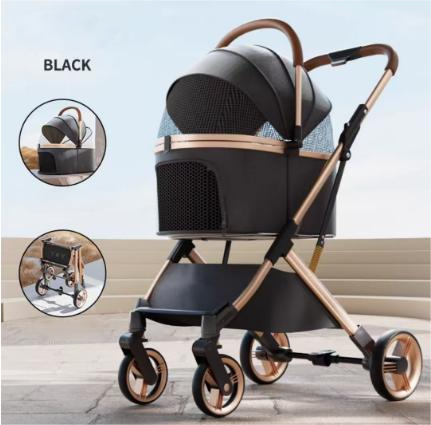
Conclusion
Selecting a pet stroller is an investment in your companion’s mobility, safety, and quality of life. By rigorously prioritizing features—anchoring your decision in non-negotiable safety fundamentals, then layering on essential usability features, and finally considering comfort enhancements—you move beyond marketing claims to make a rational, compassionate choice. The perfect pet stroller is not the most expensive one, but the one whose engineering and design most thoughtfully align with the unique contours of your life with your pet. It becomes more than a piece of equipment; it becomes a vehicle for shared adventures, security, and well-being, ensuring that no member of the family gets left behind.
For more about which features are most important when choosing a pet stroller, you can pay a visit to FengQun Pet Gear Supplier for more info.






