What are the Requirements for the Pet Carrier or Stroller When Traveling on Public Transportation?
Traveling with pets has become increasingly common in today's pet-loving society. Whether you're commuting to work, visiting family, or exploring a new city, public transportation offers a convenient and eco-friendly way to get around with your furry companion. However, navigating the rules for pet carriers and strollers can be a challenge, as requirements vary widely depending on the mode of transport, location, and even the type of pet. Understanding these regulations is crucial not only for compliance but also for ensuring the safety and comfort of your pet, fellow passengers, and yourself.
Public transportation typically encompasses buses, trains, subways, trams, and ferries, excluding air travel unless specified. The primary focus is on ground-based systems where pets are often allowed under specific conditions. Pet carriers—enclosed bags, crates, or baskets—are the most common method for transporting small animals, as they provide security and prevent disturbances. Strollers, designed for pets like dog strollers or cat wagons, are less universally accepted but can be useful for larger or multiple pets, offering mobility while keeping them contained.
Why do these requirements exist? Safety is paramount: unsecured pets could cause accidents, allergies, or conflicts. Hygiene concerns also play a role, as carriers help contain fur, waste, and odors. Additionally, regulations aim to balance pet owners' needs with those of non-pet passengers. For instance, in densely populated urban areas, space is limited, so carriers must fit under seats or in laps without obstructing aisles.
This article explores general worldwide requirements, followed by region-specific details for the UK, US, and Europe. We'll also cover tips for smooth travel. By the end, you'll be equipped to plan your journeys confidently. Note that rules can change, so always check with the specific transport authority before traveling.
General Requirements Worldwide
Globally, pet carrier and stroller requirements on public transportation emphasize containment, size limits, and pet welfare. Most systems mandate that pets be in a secure, ventilated carrier to minimize risks. Carriers should be leak-proof, escape-proof, and comfortable for the animal, allowing them to stand, turn, and lie down naturally. Hard-sided plastic or soft-sided fabric carriers are common, but they must meet ventilation standards—typically with mesh panels on multiple sides.
Size restrictions are universal. Carriers often need to fit under a seat or in your lap, with dimensions not exceeding 55 cm x 40 cm x 27 cm (about 21.5 in x 15.5 in x 10.5 in), similar to airline carry-on limits. Weight limits, including the pet, usually cap at 10-20 kg (22-44 lbs), though this varies. For example, small pets under 6-10 kg may travel free in carriers, while larger ones require fees or are prohibited.
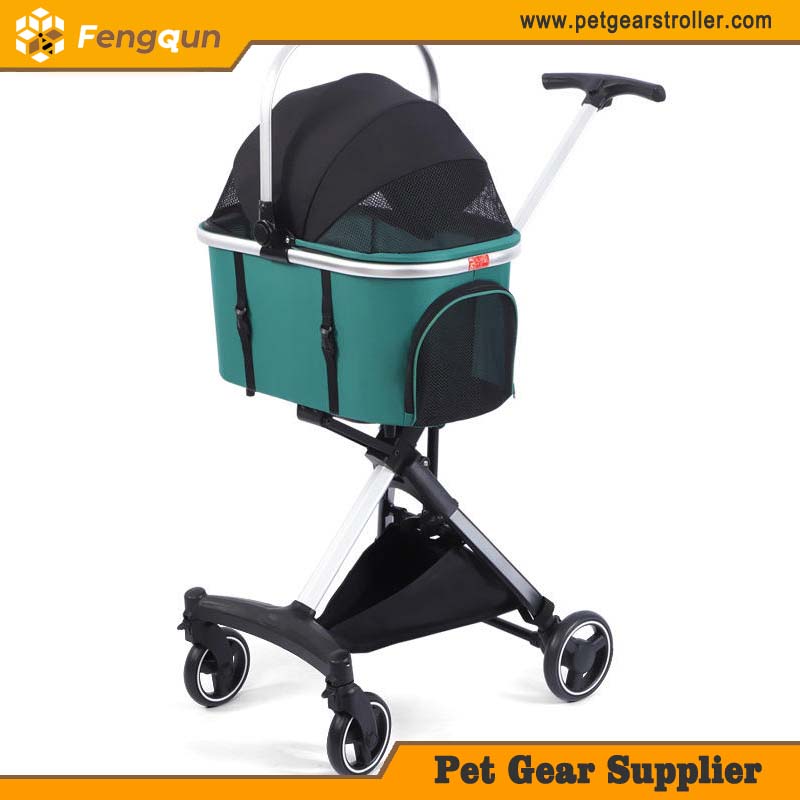
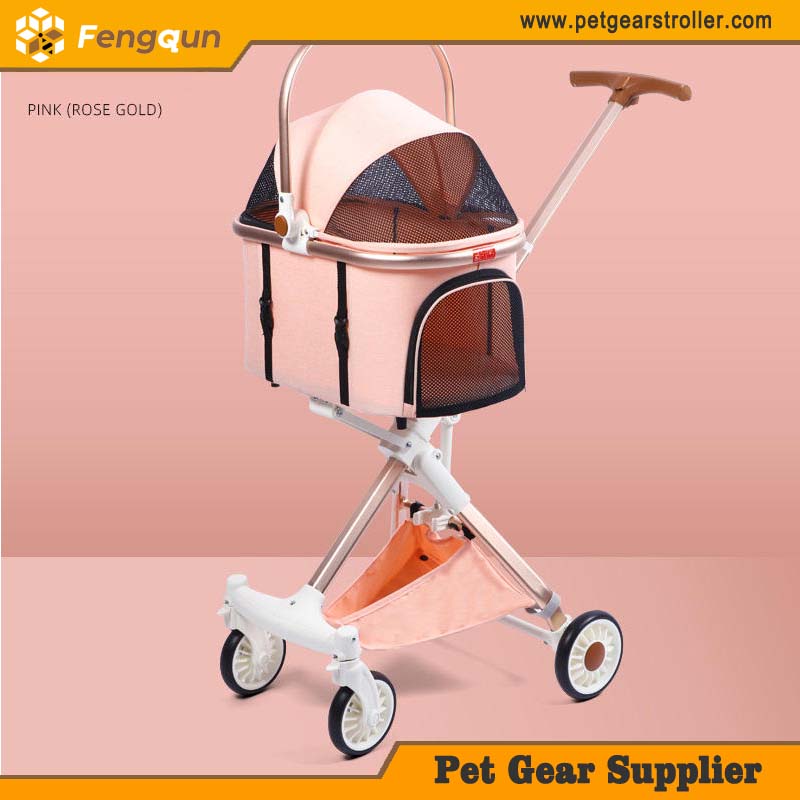
Pet strollers introduce additional complexities. Unlike carriers, strollers are wheeled and resemble baby prams, making them bulkier. Worldwide, they're not always permitted on crowded transport due to space constraints. Where allowed, they must fold compactly, fit in designated areas, and fully enclose the pet to prevent escape. In some regions, strollers are treated like carriers if they have zippered enclosures, but they may need to be collapsed during peak hours. Always ensure wheels lock and the structure is stable to avoid tipping.
Health and documentation are key globally. Pets must be vaccinated, especially against rabies, and carry a health certificate no older than 10-30 days. Microchipping is often required for identification. Behavior rules stipulate that pets remain quiet and non-aggressive; barking or meowing could lead to removal.
Modes of transport differ: Buses and subways prioritize small carriers for quick boarding, while trains allow more flexibility for longer trips. Ferries might permit strollers in open areas. Exceptions exist for service animals, which don't need carriers and can accompany handlers freely.
In Asia, like Hong Kong, carriers are mandatory for transit permits. In Australia and New Zealand, strict biosecurity means carriers must be quarantine-approved. Worldwide trends show increasing pet-friendliness, but urban systems like Tokyo's subways restrict pets to carriers during rush hours.
These general guidelines provide a foundation, but local variations are significant. Overlooking them can result in fines, denied boarding, or stress for your pet. Researching ahead ensures compliance and a pleasant experience.
Requirements in the UK
In the United Kingdom, public transportation is relatively pet-friendly, especially for dogs and cats, but strict carrier rules apply to maintain order. National Rail, overseeing most trains, allows up to two pets per passenger free of charge, provided they're in a suitable carrier or on a lead if not endangering others. Carriers must be rigid or soft-sided, well-ventilated, and sized to fit comfortably—typically under 45 cm x 30 cm x 25 cm for small pets. Larger dogs can travel leashed without carriers on many routes, but must be muzzled if required by the operator.
For buses, rules vary by company. Transport for London (TfL) permits small pets in carriers on buses, tubes, and trams, as long as they don't annoy passengers. Carriers should be handheld and not block seats or aisles. Strollers are less common; they might be allowed if foldable and treated as luggage, but during peak times, they're discouraged due to crowding.
On the London Underground, pets must be in enclosed carriers or baskets, carried by hand or on laps. No loose pets are allowed, except guide dogs. Dimensions aren't strictly defined but should align with carry-on sizes to fit in tight spaces. For ferries like those on the Thames, carriers are preferred, with strollers possible in open decks if secured.
Scotland and Wales follow similar patterns. ScotRail allows two pets free, in carriers or leashed, with carriers needing to be escape-proof. In Northern Ireland, Translink requires small pets in carriers on buses and trains, with a child fare for larger ones.
Health-wise, no specific certificates are needed for domestic travel, but pets should be healthy and not distressed. The Kennel Club advises checking operator policies, as some like Eurostar have unique rules: small pets in carriers under seats, with bookings required.
Strollers in the UK are gaining popularity for urban travel but aren't explicitly regulated. If using one, ensure it's collapsible and the pet is secured inside, mimicking a carrier. Fines for non-compliance can reach £50-£100. Overall, UK's system balances accessibility with safety, making it feasible for pet owners to use public transport daily.
Requirements in the US
The United States has diverse regulations due to its decentralized transport systems, with rules set by cities, states, and federal bodies like Amtrak. Generally, small pets in carriers are allowed on many services, but large dogs often face restrictions.
Amtrak, the national rail service, permits dogs and cats up to 20 lbs (including carrier) on most routes under 7 hours. Carriers must be leak-proof, ventilated, and fit under seats—maximum 19 in x 14 in x 10.5 in. Only one pet per carrier, and a $26 fee applies. No strollers; pets stay in carriers throughout.
In New York City's MTA (subways, buses, trains), pets must be in carriers or bags, carried without annoying others. No size limit specified, but practicality dictates small carriers. Large pets too big for carriers can ride muzzled on some buses, but subways prohibit them unless service animals. Strollers might be allowed if they function as carriers and fold, but they're rare and could be denied in crowds.
Other cities vary: In Chicago's CTA, small pets in carriers ride free if not occupying seats. San Francisco's BART requires carriers for all pets except service dogs. Los Angeles Metro allows small pets in enclosed carriers during off-peak hours.
Bus companies like Greyhound ban pets entirely, except service animals. Regional trains like VIA Rail (cross-border) limit to small carriers.
Strollers are uncommon on US public transport; where permitted, they must comply with luggage rules, be foldable, and enclose pets fully. Health requirements include rabies vaccinations, with certificates for interstate travel.
Fines for violations range from $25-$100. The US emphasizes accessibility for service animals, who need no carriers. Pet owners should book in advance and prepare for varying enforcement.
Requirements in Europe
Europe's public transport is pet-accommodating but fragmented by country. EU rules mandate owners travel with pets or authorize others, with rabies vaccinations and microchips required.
In France, SNCF trains allow small pets (under 6 kg) in carriers (45 cm x 30 cm x 25 cm) for €7.50. Larger dogs pay half-fare, leashed and muzzled. Paris Metro permits small carrier pets; strollers are tricky on crowded lines.
Germany's DB allows small pets free in carriers; larger ones need tickets and muzzles. Buses vary, but carriers are standard.
In Spain, Renfe requires small pets in carriers (60 cm x 35 cm x 35 cm max). Madrid Metro allows carriers.
Italy's Trenitalia: small pets free in carriers; larger pay fees.
Czech Republic and Slovakia permit up to 10 kg in carriers on buses.
Strollers are allowed in some open areas if secured, but carriers dominate for urban transport. Fees range from free to €10-20. Service animals are exempt.
Tips for Traveling with Pets Carriers or Strollers
Preparation is key: Research rules, use comfortable carriers, and train your pet to them. Pack essentials like water, treats, and waste bags. Arrive early, keep pets calm, and consider off-peak travel. For strollers, ensure stability and enclosure. Microchip and vaccinate always. Use short leashes if needed, and never leave pets unattended.

Conclusion
Navigating pet carrier and stroller requirements on public transportation requires diligence, but it's rewarding for inclusive travel. From global size limits to regional nuances, compliance ensures safe journeys. Always verify current rules and prioritize your pet's well-being for hassle-free adventures.
For more about what are the requirements for the pet carrier or stroller when traveling on public transportation, you can pay a visit to FengQun Pet Gear Supplier for more info.






