What Should New Owners Pay Attention to When Choosing A Pet Stroller for Their Puppies?
Bringing a new puppy into your home is one of life's greatest joys. Those tiny paws, floppy ears, and boundless energy can melt even the toughest hearts. But as any new pet owner knows, puppies come with their own set of challenges—especially when it comes to keeping up with their needs as they grow. One tool that can make a world of difference for both you and your furry friend is a pet stroller. Designed specifically for dogs (and often adaptable for other small pets), these wheeled carriers allow your puppy to tag along on walks, errands, or even quick trips to the park without overexerting their developing joints or tiny legs.
For new owners, the idea of a pet stroller might seem like a luxury at first glance. After all, why not just carry your puppy in a backpack or let them toddle along beside you? The reality is that puppies, particularly breeds prone to hip dysplasia or those recovering from surgeries, benefit immensely from the support a stroller provides. According to the American Kennel Club, small breeds like Chihuahuas or Dachshunds often face mobility issues early on, and strollers can prevent strain while promoting socialization. Plus, in urban environments where sidewalks are uneven or traffic is heavy, a stroller keeps your pup safe and contained.
But with the market flooded with options—from budget-friendly foldables to high-end jogger-style models—choosing the right one can feel overwhelming. This 2000-word guide is here to help. We'll dive deep into the key factors new owners should prioritize, from safety harnesses to weatherproofing, ensuring you pick a stroller that enhances your puppy's adventures rather than complicating them. By the end, you'll be equipped to wheel your way to happier, healthier outings. Let's roll!
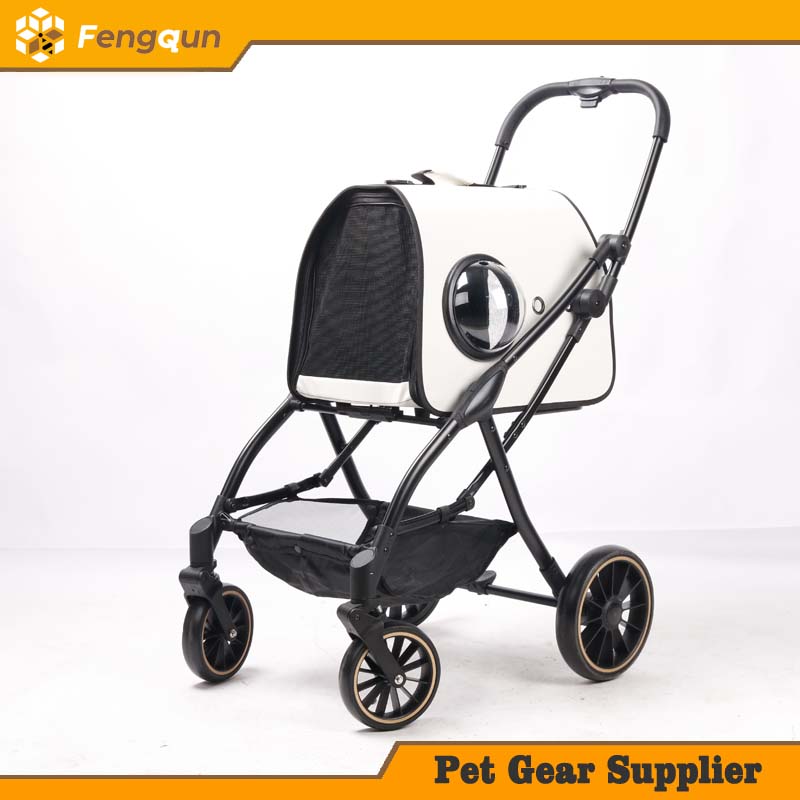
Understanding Your Puppy's Needs: Size and Weight Capacity
The foundation of any good pet stroller purchase starts with matching the product to your puppy's current and future size. Puppies grow at astonishing rates—some doubling in weight within weeks—so overlooking this can lead to a quick outgrowing and wasted money. First, assess your puppy's breed and projected adult weight. Toy breeds like Pomeranians might top out at 7 pounds, while a growing Labrador could hit 50 pounds in under a year. Most pet strollers are rated for 15 to 75 pounds, but always check the fine print: the "maximum weight" often assumes even distribution, and puppies wriggling around can tip the scales (literally). Opt for a model with at least 20% more capacity than your pup's current weight to allow for growth spurts and added blankets.
Interior dimensions matter just as much as weight limits. A cramped stroller can cause anxiety or poor posture, leading to long-term back issues. Look for at least 18 inches of length and 12 inches of width for small puppies, scaling up to 24x16 inches for medium ones. Brands like Pet Gear offer adjustable interiors, which is a boon for multi-pet households or as your singleton puppy matures. Real-world tip: Measure your puppy from nose to tail base while they're curled up, then add 4-6 inches for comfort. Test the stroller in-store if possible—many pet supply chains like Petco allow this. Online shoppers, beware of generic Amazon listings; user photos often reveal if the basket feels like a sardine can. Neglecting size can have consequences. A too-small stroller might pinch paws or restrict airflow, increasing overheating risks during summer strolls. Conversely, an oversized one could feel unstable, with your puppy tumbling around like a pinball. By prioritizing capacity, you're investing in years of use, not just a seasonal gimmick.
Prioritizing Safety: Harness, Brakes, and Stability Features
Safety isn't just a buzzword—it's non-negotiable when your puppy's life is on the line. A pet stroller is essentially a mobile crib on wheels, so skimping here could turn a leisurely walk into a vet visit. Start with the harness system. The best strollers come with interior safety tethers or clips that attach to your puppy's collar or harness, preventing escapes during bumpy rides. Avoid models with flimsy Velcro straps; opt for metal carabiner-style hooks that withstand 100+ pounds of pull force. For added security, choose ones with mesh siding that zips shut, deterring curious noses from poking out. Brakes are the unsung heroes of stroller safety. Hand-operated or foot-activated brakes should lock all wheels firmly—test this by pushing the stroller on a slight incline. Disc brakes, like those on high-end models from Thule, offer superior stopping power compared to basic friction pads, especially on hills. And speaking of wheels: stability hinges on them. Three-wheel designs excel for urban dodging, while four-wheelers provide better balance for off-path trails. All-terrain tires (think air-filled or EVA foam) prevent skids on gravel or wet pavement.
Visibility features round out the safety checklist. Reflective strips on the frame ensure you're seen by cyclists at dusk, and a clear-view canopy lets you monitor your pup without stopping. For nighttime walks, LED lights are a game-changer. New owners often overlook suspension systems, but they're crucial for shock absorption. Puppies have delicate bones, and jolts from potholes can jar spines. Models with shock-absorbing struts, like the Ibiyaya Go, mimic baby stroller tech for smoother glides. In essence, treat safety like you'd treat a child's car seat: read certifications (look for ASTM or JPMA standards adapted for pets) and never leave your puppy unattended. A well-safeguarded stroller doesn't just protect— it gives you peace of mind to enjoy the journey.
Durability and Materials: Building for the Long Haul
Puppies are pint-sized tornadoes—chewing, scratching, and slobbering their way through life. A stroller's materials must withstand this chaos while being gentle on your pup's skin and easy for you to clean. Frame construction is key. Aluminum or steel alloys offer the best strength-to-weight ratio; avoid cheap plastic frames that warp under sun exposure. Powder-coated finishes resist rust, ideal for rainy climates. Weight is a trade-off here—lighter aluminum (under 20 pounds) is easier to lift into your car, but heavier steel (25+ pounds) feels more robust on rough terrain. The basket fabric should be 600D polyester or Oxford cloth—durable weaves that repel water and tears. Ripstop nylon adds puncture resistance against playful claws. For hypoallergenic needs, seek OEKO-TEX certified fabrics free of harmful dyes. Mesh panels for ventilation are essential, but ensure they're finely woven (no larger than 1mm gaps) to keep bugs out. UV protection is often underrated.
Prolonged sun exposure can fade fabrics and harm your puppy's coat, so choose canopies with UPF 50+ ratings. Machine-washable liners are a must for inevitable accidents; removable ones save time. Eco-conscious owners, rejoice: brands like Petunia Pickle Bottom use recycled ocean plastics without sacrificing toughness. Durability testing—user reviews mentioning "survived a year of daily use"—is your best gauge. Poor materials lead to pitfalls like fraying seams after a few months, forcing premature replacements. Invest in quality, and your stroller becomes a heirloom for future pets.(Word count so far: 1,278)
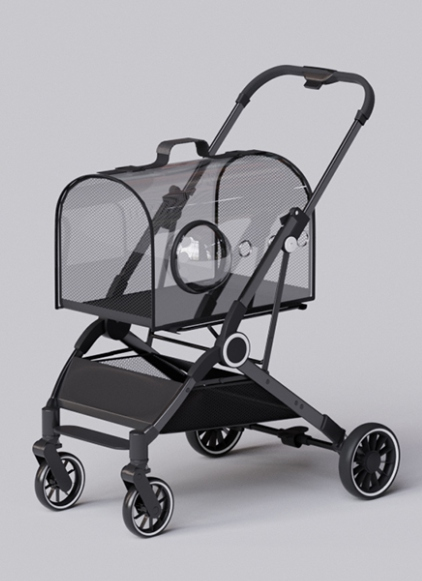
Ease of Use: Maneuverability, Folding, and Portability
As a new owner juggling leashes, treats, and poop bags, the last thing you need is a stroller that fights you every step. Ease of use determines if it'll gather dust in the garage or become your go-to gear. Maneuverability shines in wheel design. Swivel front wheels (lockable for straight-line speed) make navigating tight spaces a breeze, while large rear wheels (12+ inches) handle curbs effortlessly. All-wheel suspension smooths urban jolts, turning pothole parades into peaceful promenades. Folding mechanisms separate the pros from the amateurs. One-handed folds are ideal for multitasking parents—press a button, and it compacts to airline carry-on size (under 22x12x10 inches). Look for auto-lock features to prevent accidental unfolding in your trunk. Weight matters here too; under 15 pounds for portability, but test the fold in person to avoid "compact in theory, bulky in practice" surprises. Storage compartments elevate usability. Pockets for water bottles, a mesh under-basket for toys, and even cup holders keep essentials handy. For joggers, compatibility with running attachments expands versatility. User error is common with complex models, so prioritize intuitive designs. Video demos on manufacturer sites reveal quirks—like a fold that requires Herculean force. A user-friendly stroller integrates into your routine, fostering more quality time with your pup.
Comfort for Your Puppy: Padding, Ventilation, and Design
Your puppy's comfort is paramount; a pet stroller should feel like a cozy nest, not a rolling cage. Skimp here, and you'll face whines instead of wags. Padding starts with the floor mat—memory foam or sherpa fleece molds to their body, cushioning joints. Removable, washable inserts handle shedding seasons. Elevated floors prevent ground chill, and non-slip bottoms keep them secure. Ventilation prevents stuffiness. Full mesh sides and tops ensure 360-degree airflow, crucial in humid areas. Adjustable vents let you tweak based on weather—open for breezes, closed for drafts. Design elements like reversible canopies offer shade or sun, while interior pockets hold a favorite toy for familiarity. For anxious pups, soundproofing (thicker fabrics) muffles city noise. Observe your puppy's reaction during trials; relaxed yawns signal approval. Comfort breeds trust, turning stroller time into bonding bliss.
Weather Protection and Versatility
Puppies don't check the forecast, so your stroller should. Rain covers, sun shades, and insect nets extend usability year-round. Waterproof canopies with sealed seams fend off drizzle, while clip-on raincoats keep interiors dry. UPF-rated hoods block UV rays, and mesh screens thwart mosquitoes during picnics. Versatility means adapters for car seats or bike hitches, broadening adventures. All-season tires grip snow or sand, making it a four-seasons friend. Without protection, weather woes cut walks short. A versatile stroller maximizes outdoor time, enriching your puppy's world.
Budget, Value, and Researching Brands
Value trumps cheapness. Budget models ($50-100) suit casual use, mid-range ($100-200) balance features, and premium ($200+) deliver longevity. Research via reviews on Chewy or Reddit—seek 4+ stars with 500+ ratings. Brands like Gen7Pets or Snoozer earn loyalty for reliability. Warranty (1-2 years) and return policies safeguard investments. Factor resale value; durable ones hold worth. Smart spending yields a stroller that pays dividends in joy
Conclusion
Choosing a pet stroller boils down to aligning size, safety, durability, ease, comfort, weather savvy, and value with your lifestyle. As a new owner, this decision empowers safer, happier escapades for your puppy. Research thoroughly, test when possible, and watch your bond deepen with every roll. Your puppy thanks you—and so will your back.
For more about what should new owners pay attention to when choosing a pet stroller for their pppies?, you can pay a visit to FengQun Pet Gear Supplier for more info.






