What Every Dog Owner Should Know About Pet Stroller Safety Tips
In today's fast-paced world, pet strollers have become an increasingly popular accessory for dog owners. These wheeled carriers allow pets to join their humans on outings without the physical strain of long walks, making them ideal for senior dogs, puppies, injured pets, or those with mobility issues. Whether you're navigating crowded city streets, enjoying a park stroll, or attending a vet appointment, a pet stroller can enhance your dog's quality of life while keeping them safe and comfortable. However, like any pet gear, safety should be the top priority. Misusing a stroller or choosing the wrong one can lead to accidents, discomfort, or even injury for your furry friend.
Pet strollers aren't just a luxury; they're a practical tool for many owners. For instance, small breeds or older dogs might tire quickly on extended adventures, and strollers provide a secure way to extend their time outdoors. According to various pet care experts, using a stroller can prevent overheating, paw injuries from hot pavement, or encounters with aggressive animals. But with great convenience comes responsibility. Dog owners must understand the nuances of stroller safety to avoid common pitfalls. This article delves into everything you need to know, from selecting the right model to maintenance tips, ensuring every outing is enjoyable and risk-free.
The rise in pet stroller popularity has been notable, especially post-pandemic when more people adopted dogs and sought ways to include them in daily activities. Retailers report increased sales of pet mobility aids, reflecting a shift toward inclusive pet parenting. Yet, safety concerns arise when owners overlook key features or proper usage. For example, a stroller without adequate brakes could roll unexpectedly, or poor ventilation might cause heat stress. By arming yourself with knowledge, you can make informed decisions that prioritize your dog's well-being. We'll cover choosing the right stroller, essential safety features, training methods, usage guidelines, maintenance, and mistakes to sidestep. Let's ensure your dog's stroller experiences are paws-itively safe.
Choosing the Right Pet Stroller
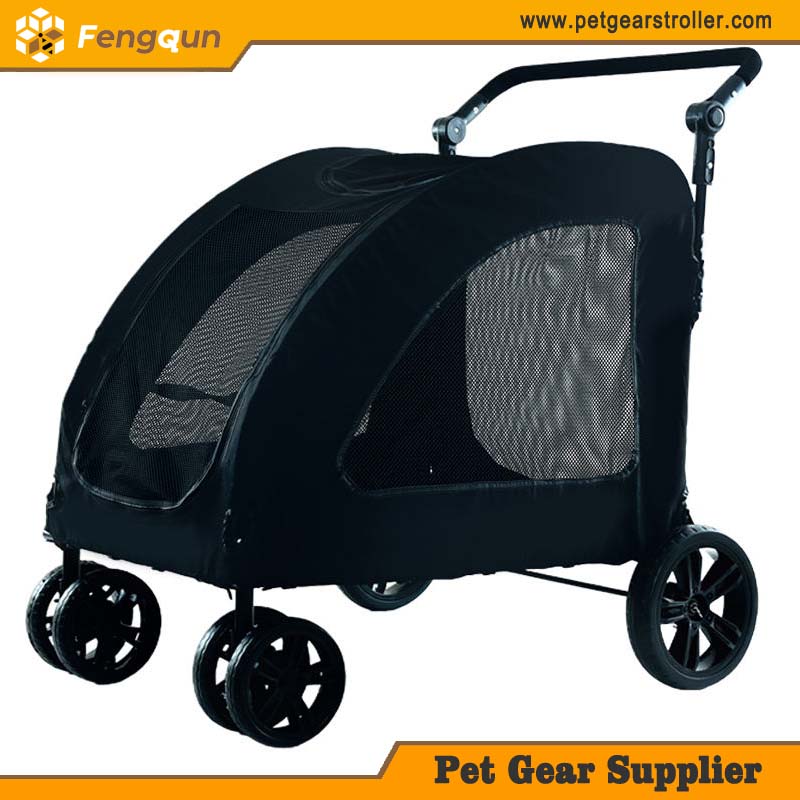
Selecting the appropriate pet stroller is the foundation of safety. Not all strollers are created equal, and factors like your dog's size, breed, and lifestyle play crucial roles. Start by measuring your dog: length from nose to tail base, height at the shoulders, and weight. The stroller should provide enough space for your dog to sit, stand, turn around, and lie down comfortably without feeling cramped. For medium-sized dogs, options with detachable carriers or all-terrain wheels are often recommended for versatility.
Weight capacity is non-negotiable. Always choose a stroller rated for at least 20% more than your dog's weight to account for accessories like blankets or toys. Overloading can cause structural failure, leading to collapses or tipping. For small breeds under 20 pounds, lightweight foldable models suffice, but larger dogs need sturdy frames with reinforced bases. Consider the terrain you'll traverse—urban sidewalks call for smooth-rolling wheels, while parks or trails demand shock-absorbing suspensions and larger tires to handle bumps without jostling your pet.
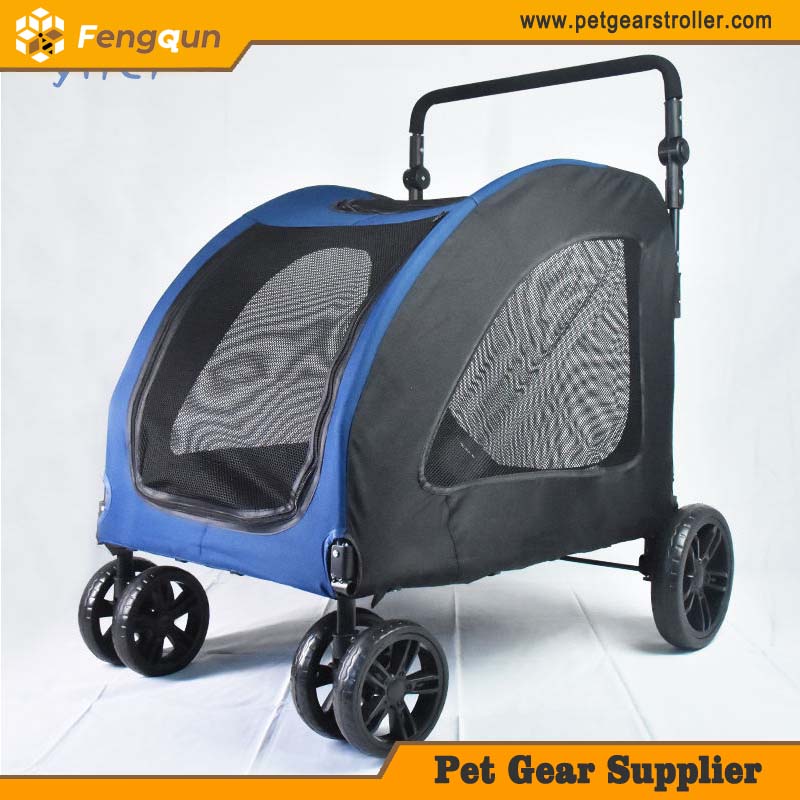
Your dog's temperament matters too. Calm, friendly dogs adapt well to strollers, but anxious ones might need models with mesh screens for visibility and airflow to reduce stress. If you have multiple pets, opt for multi-pet strollers with dividers for safety. Features like adjustable handles ensure ergonomic comfort for you, preventing back strain during pushes. Budget-wise, entry-level strollers start around $50, but investing in mid-range options ($100-$300) often yields better durability and safety.
Testing is key. Consumer reviews highlight models from brands like PetGear or Best
Pet for their performance on varied surfaces. Look for user feedback on stability during turns or inclines. If possible, visit a pet store to trial a stroller with your dog. Online forums, such as Reddit threads, discuss specific recommendations like the Pet Gear 360 View or HPZ Pet Rover for their balance of features and affordability. Ultimately, the right choice aligns with your routine—frequent travelers might prefer compact, airline-friendly designs, while daily walkers need robust, weather-resistant ones.
Don't forget portability. Foldable strollers with one-hand mechanisms make storage and transport effortless, reducing the risk of improper setup accidents. Prioritize models with safety certifications or positive crash-test simulations if available. By matching the stroller to your dog's needs and your lifestyle, you set the stage for secure adventures.
Essential Safety Features
A safe pet stroller boasts features that protect against common hazards. First and foremost, look for rear security brakes to prevent unintended rolling, especially on slopes. These should lock easily and hold firm—test them before purchase. Built-in leashes or harness attachments are vital; they keep your dog from jumping out, reducing escape or fall risks. Multiple attachment points allow for secure fastening without restricting movement.
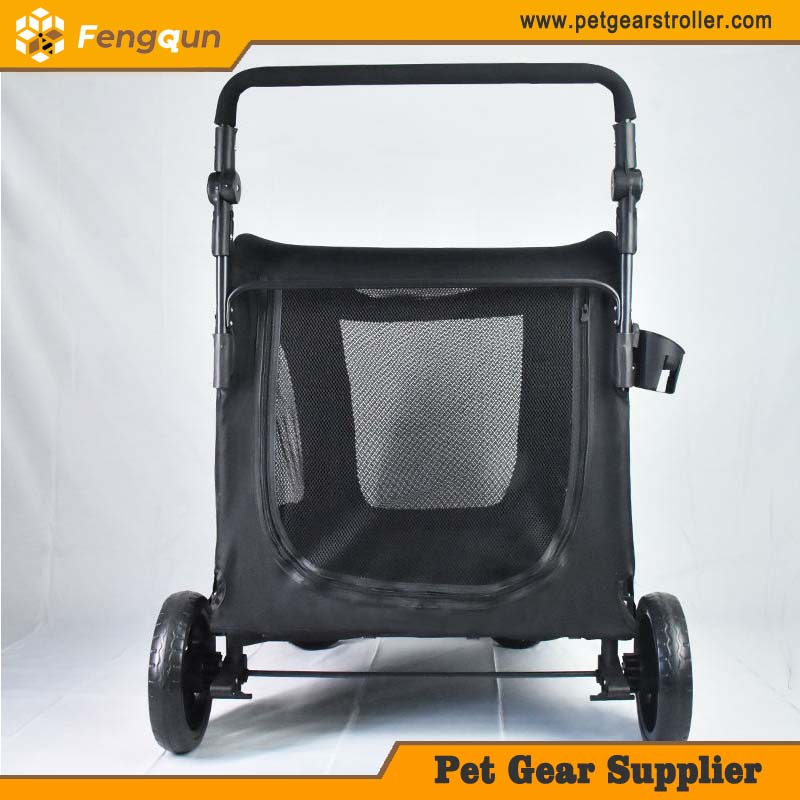
Ventilation is critical to avoid overheating. Mesh panels on all sides promote airflow, while zippered enclosures ensure security without claustrophobia. In hot weather, reflective materials or UV-protective canopies shield from sun exposure. For colder climates, insulated liners or windproof covers maintain warmth. Waterproof fabrics protect against rain, preventing slips from wet interiors.
Wheel design impacts stability. Swivel front wheels offer maneuverability, but lockable ones provide straight-line control on rough paths. All-terrain tires with shock absorption minimize vibrations that could unsettle your dog. A low center of gravity prevents tipping during sharp turns or over curbs.
Additional must-haves include padded interiors for comfort, non-slip flooring to prevent sliding, and reflective strips for nighttime visibility. Some models feature 360-degree views to keep dogs engaged and less anxious. Detachable baskets add convenience but ensure they lock securely to avoid detachment mid-walk.
Size and fit guidelines emphasize measuring your pet accurately—strollers should have at least 2-3 inches of headroom and side clearance. Weight limits aren't just suggestions; exceeding them compromises frame integrity. For multi-function strollers (e.g., convertible to carriers), verify all modes meet safety standards.
Experts recommend checking for sharp edges, loose parts, or toxic materials during assembly. High-quality zippers and seams prevent tears that could entangle paws. In essence, prioritize features that address mobility, weather, and containment for comprehensive safety.
Training Your Dog to Use the Stroller
Introducing a stroller requires patience to build positive associations. Start indoors: park the pet stroller with wheels locked and let your dog sniff it freely. Use treats and praise to encourage exploration. Place familiar items like a blanket inside to make it inviting.
Gradually guide your dog in, rewarding calm behavior. For reluctant pups, use high-value treats or toys. Avoid forcing them—coercion can create fear. Once inside, keep sessions short, gradually unlocking wheels for gentle movement.
Secure with the harness immediately to instill safety habits. Begin outdoor trials in quiet areas, monitoring for signs of distress like whining or panting. Short walks build confidence; extend duration as comfort grows.
For multi-dog households, train individually before group rides. Puppies adapt quickly, but seniors might need extra padding for joints. If your dog shows anxiety, consult a trainer—desensitization techniques work wonders.
Consistency is key: regular use reinforces the stroller as a safe space. With time, most dogs enjoy the ride, viewing it as an adventure pod.
Safe Usage Tips
Once trained, focus on proper usage for every outing. Always inspect the stroller pre-walk: check brakes, zippers, and tires for wear. Secure your dog with the harness and use locking zippers to prevent escapes.
Be weather-aware: avoid extreme heat or cold. In sun, use canopies; in rain, covers. Never leave your dog unattended—strollers can tip or attract unwanted attention.
Maintain distance from other dogs to avoid conflicts; strollers aren't shields. When walking with a leashed dog alongside, never attach the leash to the stroller—use your hand for control.
On adventures, pad the base for comfort and provide water breaks. For vet visits, ensure easy access panels. In crowds, navigate slowly to avoid bumps.
Provide non-slip surfaces and prepare for temperatures with blankets or fans. Vigilance ensures safety—watch for fatigue or discomfort signals.
Maintenance and Care
Regular maintenance extends your stroller's life and safety. Wipe the frame with mild soap weekly, focusing on joints. Clean fabrics with pet-safe detergents; air-dry to prevent mold.
Lubricate wheels with silicone spray for smooth operation, avoiding dirt-attracting oils. Store in dry places, unfolded if possible, to maintain shape. Inspect for wear: replace torn canopies or frayed harnesses promptly. Wash mats machine-gently for hygiene.
Common Mistakes to Avoid
Avoid overloading or using on beaches—sand damages wheels. Don't push without securing your dog; jumps can cause injuries.
Ignoring temperament leads to stress—strollers aren't for every dog. Skipping inspections risks failures; always check.
Assuming strollers replace exercise is wrong—balance with walks. Neglecting cleaning invites bacteria.
Conclusion
Mastering pet stroller safety empowers dog owners to create joyful, secure experiences. By choosing wisely, using properly, and maintaining diligently, you'll safeguard your pet's adventures. Embrace these tips for worry-free outings.
For more about what every dog owner should know about pet stroller safety tips, you can pay a visit to FengQun Pet Gear Supplier for more info.






