Pet Travel Bags or Pet Flight Crates That Meet Specific Airline Requirements
Traveling with pets has become increasingly common in recent years, as more pet owners view their furry companions as integral family members. Whether it's a cross-country move, a vacation, or a business trip, air travel offers a convenient way to bring pets along. However, navigating airline regulations can be daunting. Pet travel bags (often soft-sided carriers) and pet flight crates (typically hard-sided kennels) must comply with strict guidelines to ensure the safety and comfort of the animal, as well as the smooth operation of the flight. These requirements vary by airline but generally focus on size, ventilation, security, and the pet's ability to move comfortably inside.
In 2025, with air travel rebounding post-pandemic, airlines have refined their pet policies to balance passenger convenience with animal welfare. For instance, most U.S. carriers allow small pets in the cabin if they fit in an under-seat carrier, while larger animals must travel in cargo holds using sturdy crates. The International Air Transport Association (IATA) sets baseline standards, emphasizing leak-proof designs and adequate airflow. Health certificates and vaccinations are often mandatory, with rabies proof being a universal requirement for international flights.
This article explores the differences between pet travel bags and flight crates, outlines general and airline-specific requirements, recommends top products that meet these standards, and provides practical tips for pet owners. By understanding these elements, travelers can avoid last-minute hassles and ensure a stress-free journey for their pets. With pet travel projected to grow by 15% annually, selecting the right carrier is more important than ever.
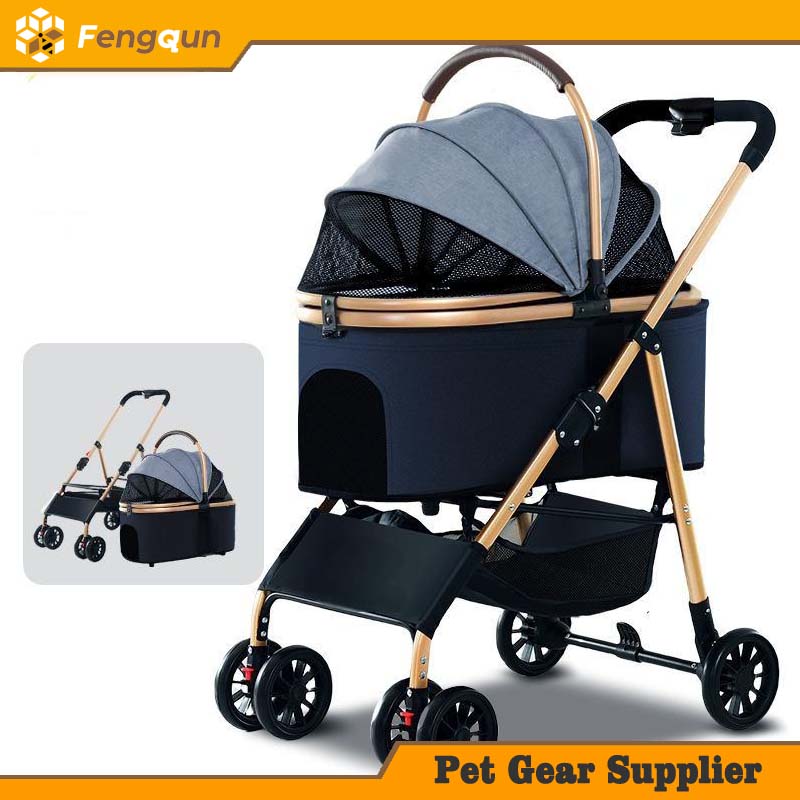
Understanding Pet Carriers: Bags vs. Crates
Pet travel bags and flight crates serve the same primary purpose—safely transporting animals by air—but they differ in design, usage, and suitability for various travel scenarios. Pet travel bags are typically soft-sided, lightweight, and flexible, making them ideal for in-cabin travel where space is limited. These bags often feature mesh panels for ventilation, zippered entrances for easy access, and padded interiors for comfort. They can compress slightly to fit under airplane seats, which is crucial since most airlines require carriers to stow fully during takeoff and landing.
In contrast, pet flight crates are hard-sided, rigid structures made from plastic, metal, or wood, designed primarily for cargo hold transport. These provide superior protection against impacts and are built to withstand the rigors of baggage handling. Crates must include metal grated doors, secure latches, and ventilation on all sides to comply with IATA guidelines. They are essential for larger pets or breeds that exceed cabin weight limits, which are usually around 20 pounds including the carrier.
Choosing between a bag and a crate depends on the pet's size, the airline's policy, and the flight type. For small dogs or cats flying in-cabin, a soft bag like the Sleepypod Air offers versatility, doubling as a car seat or bed. For medium to large dogs in cargo, a hard crate such as the Petmate Sky Kennel ensures durability during transit. Both types must allow the pet to stand, turn around, sit, and lie down naturally, as per federal aviation regulations. Materials should be non-toxic, easy to clean, and escape-proof to prevent accidents.
Beyond functionality, consider the pet's temperament. Anxious animals may prefer the enclosed feel of a soft bag, while adventurous ones might appreciate the sturdiness of a crate. Prices range from $50 for basic bags to over $200 for premium crates with added features like wheels or GPS trackers. Always verify airline approval, as "airline-approved" labels from manufacturers aren't always guaranteed to meet every carrier's specs.
General Airline Requirements for Pet Carriers
Airlines enforce uniform yet flexible guidelines to prioritize safety. The U.S. Department of Transportation mandates that all pet carriers be humane, ventilated, and secure. For in-cabin travel, carriers must fit under the seat, with maximum dimensions typically around 18 inches long, 11 inches wide, and 11 inches high, though this varies by aircraft. Soft-sided bags are preferred for their flexibility, but they must be leak-proof with ventilation on at least three sides for domestic flights and four for international.
Weight limits are critical: most airlines cap the combined pet and carrier weight at 20 pounds for cabin travel. Pets must be at least 8-10 weeks old, fully weaned, and healthy. A health certificate from a vet, issued within 10 days of travel, is standard, along with rabies vaccination proof. Breed restrictions may apply; for example, brachycephalic (snub-nosed) breeds like pugs are often barred from cargo due to breathing risks.
For cargo, crates must adhere to IATA standards: rigid construction, ventilation on all four sides, and secure doors that can't be opened accidentally. The crate should be large enough for the pet to move freely but not so spacious that it allows excessive shifting during turbulence. Labels with "Live Animal" stickers, contact info, and feeding instructions are required. Fees range from $50 to $300 per way, depending on the airline and route.
Temperature embargoes are another key factor; many airlines won't transport pets in cargo if temperatures exceed 85°F or drop below 45°F at any point. Service animals have separate rules, often traveling free without carriers, but must be trained and controlled. Always book pet spots in advance, as cabins limit the number of animals per flight—usually 4-6.
In 2025, post-COVID updates include enhanced cleaning protocols for pet areas and digital health certificate submissions via apps. International travel adds complexity with quarantine rules and microchipping requirements in countries like the EU.

Specific Airline Guidelines
Major U.S. airlines have tailored policies, so checking the latest on their websites is essential.
Delta Air Lines: Delta allows dogs and cats in-cabin on most flights. The recommended soft-sided kennel measures up to 18x11x11 inches, must be leak-proof, and ventilated on three sides domestically (four internationally). No weight limit is specified, but the pet must fit comfortably. Fees are $95 for U.S./Canada/Puerto Rico and $200 internationally. Cargo via Delta Cargo requires IATA-compliant crates for larger pets.
United Airlines: United permits up to two pets per passenger, but you must purchase an extra seat for the second. Cabin carriers: hard-sided up to 17.5x12x9 inches, soft-sided up to 18x11x11 inches. Fee is $125 per pet. Cargo options via PetSafe use rigid crates, with no breed restrictions listed but health certs required.
American Airlines: Limited to cats and dogs, with a 20-pound max for pet plus carrier in-cabin. Soft carriers up to 18x11x11 inches, hard up to 19x13x9 inches. Fee: $150. Cargo kennels must be rigid plastic or metal, leak-proof, and escape-proof. Up to 20 pet carriers per flight.
Southwest Airlines: Only small cats and dogs in-cabin; no cargo. One carrier per ticketed customer, holding up to two same-species pets. Max dimensions: 18.5x13.5x9.5 inches, leak-proof and ventilated. Fee: $95. Pets must stay in carriers throughout the airport and flight.
Other carriers like Alaska and JetBlue follow similar patterns, with slight variations in sizes and fees. For international flights, align with destination country rules.
Top Recommended Products
Based on 2025 reviews, here are standout pet travel bags and crates.
Pet Travel Bags (Soft-Sided):
· Sleepypod Air In-Cabin Pet Carrier: Fits most airlines, dimensions 22x10.5x10.5 inches (compressible). Crash-tested by CPS, up to 18 pounds. Features mesh panels and a long zippered top for access. Price: $200+. Ideal for anxious pets.
· Petsfit Expandable Pet Carrier: Best overall, expandable sides for extra space post-flight. Fits under seats at 18x11x11 inches, waterproof base. Up to 15 pounds, $50-70.
· Roverlund Out-of-Office Pet Carrier: 3-in-1 design (carrier, backpack, bed), up to 25 pounds. Airline-compliant with premium materials. $150+.
· Mr. Peanut's Airline Approved Soft-Sided Carrier: Under-seat fit, plush bedding, multiple sizes. Free bowl included. $40-60.
· Sherpa Original Deluxe Carrier: Long-time favorite, guaranteed on-board program with airlines. Sizes up to 19x11.5x11.5 inches. $50+.
Pet Flight Crates (Hard-Sided):
· Petmate Sky Kennel: Gold standard for cargo, IATA-compliant, sizes from 21 to 48 inches. Heavy-duty plastic, ventilated. $100-200.
· Gunner G1 Kennel Intermediate: Best for cargo, rotomolded for impact resistance. Fits pets up to 75 pounds. $500+.
· Amazon Basics Hard-Sided Crate: Affordable option, airline-approved for cargo, multiple sizes. $50-100.
When selecting, measure your pet and compare to airline specs. User reviews highlight durability and ease of cleaning as key.
Tips for Traveling with Pets
Preparation is key. Acclimate your pet to the carrier weeks in advance with treats and short trips. Visit the vet for a check-up and required docs. On travel day, arrive early—pets need separate screening at security. Feed lightly to avoid accidents, and attach ID tags.
During the flight, keep the carrier under the seat; no removing the pet. For cargo, use direct flights to minimize transfers. Post-flight, monitor for stress signs like lethargy.
Legal considerations: Emotional support animals now require documentation as service animals. Budget for fees and potential vet costs.
Conclusion
Selecting the right pet travel bag or flight crate ensures compliance and comfort. By adhering to airline requirements and choosing vetted products, pet owners can enjoy seamless travel. As regulations evolve, stay informed via airline sites. Safe journeys to you and your pets!
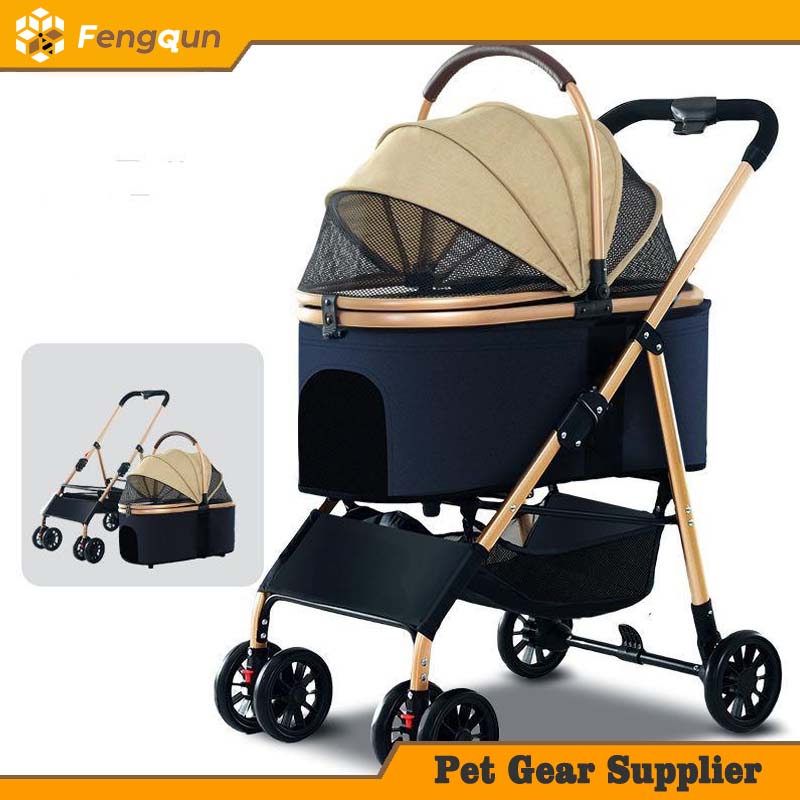
For more about pet travel bags or pet flight crates that meet specific airline requirements, you can pay a visit to FengQun Pet Gear Supplier for more info.






