Pet Shopping Cart: A Comprehensive Guide for Pet Owners
In today’s world, pets are more than just animals—they’re family members. As pet ownership continues to rise, so does the demand for innovative tools to make life with pets more convenient and enjoyable. One such tool is the pet shopping cart, a versatile solution that caters to the needs of pet owners who want to shop alongside their furry companions or efficiently transport pet supplies. But what exactly is a pet shopping cart? The term can refer to two distinct concepts: a cart designed to carry pets during shopping trips (like a stroller or carrier) or a cart built to haul pet products (like food, toys, or grooming supplies). In this 2,000-word article, we’ll explore both interpretations, diving into their types, benefits, practical uses, and tips for choosing the right one. Whether you’re a pet parent looking to simplify your shopping routine or a curious reader interested in pet trends, this guide has you covered.

The Rise of Pet Shopping Carts
Pet shopping carts have emerged as a practical response to the evolving relationship between pets and their owners. Historically, pet owners relied on leashes, handheld carriers, or their own strength to manage pets and their supplies during shopping trips. However, these methods often proved inconvenient—leashes tangled in busy stores, carriers grew heavy, and hauling bulky pet products strained backs and arms. Enter the pet shopping cart: a modern solution that blends functionality with comfort.
The rise of pet-friendly retail spaces has fueled this trend. From pet stores to cafes and even some grocery chains, businesses are increasingly welcoming pets, encouraging owners to bring their companions along. At the same time, the pet industry has boomed, with global spending on pet products reaching billions annually. Pet shopping carts cater to both needs: they allow pets to join the shopping experience safely while offering a way to transport heavy items like 40-pound bags of kibble or jumbo litter boxes. Today’s carts range from stylish strollers to rugged trolleys, reflecting a growing demand for pet-inclusive lifestyles.Why are pet shopping carts gaining traction? Convenience is key. They free up hands, reduce physical strain, and make shopping more enjoyable for both pet and owner. Safety is another factor—pets secured in carts are less likely to wander into trouble in crowded spaces. As we explore the types and benefits, you’ll see why these carts are becoming a must-have for pet owners everywhere.
Types of Pet Shopping Carts
Pet shopping carts come in various forms, each tailored to specific needs. Broadly, they fall into two categories: carts for shopping with pets and carts for pet products. Let’s break them down.
Carts for Shopping with Pets
These carts are designed to carry pets during shopping trips, ensuring they’re safe, comfortable, and close to their owners. Here are the main types:
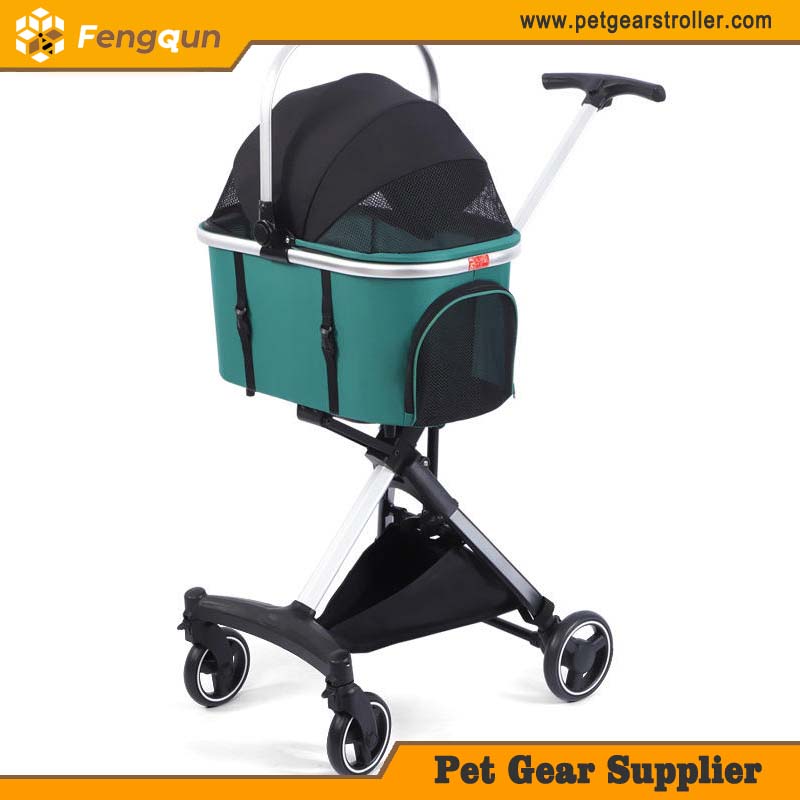
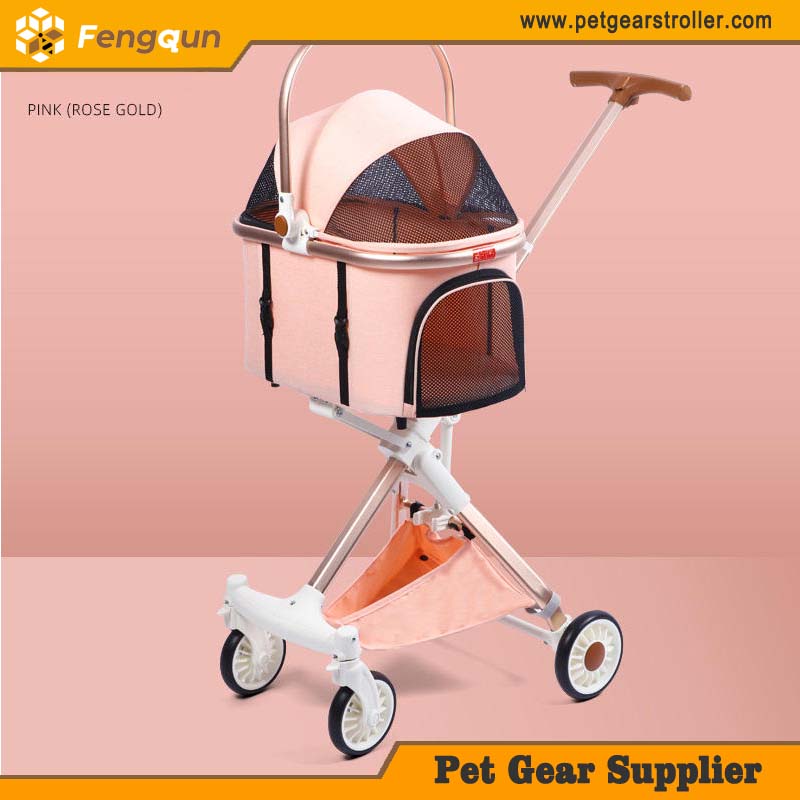
· Pet Strollers: Resembling baby strollers, these are ideal for small to medium-sized pets like dogs, cats, or rabbits. They feature a cushioned compartment, sturdy wheels, and often a canopy for shade. Many include storage pockets for keys or treats.
· Pet Carriers with Wheels: These are portable carriers with built-in wheels and handles, perfect for smaller pets or quick trips. They’re lightweight and often double as backpacks or shoulder bags.
· Pet Trolleys: Larger and more robust, trolleys suit bigger pets or multi-pet households. They resemble mini wagons with enclosures to keep pets secure.
Key Features to Look For:
· Durable frames and smooth-rolling wheels for easy navigation.
· Secure harnesses or zippered enclosures to prevent escapes.
· Breathable mesh or fabric for ventilation and comfort.
· Foldable designs for storage in cars or homes.
Carts for Pet Products
These carts are built to haul pet supplies, making them a favorite for bulk shoppers or owners of multiple pets. They’re less about carrying pets and more about transporting their essentials.
· Pet Supply Shopping Carts: Found in pet stores or available for personal use, these resemble traditional shopping carts but are optimized for pet products. They’re spacious and sturdy, with high weight capacities.
· Collapsible Trolleys: Popular for home use, these foldable carts are great for carrying supplies from car to house or navigating outdoor markets.
· Hybrid Models: Some carts combine pet-carrying and supply-hauling features, with a pet compartment and extra space for items.
Key Features to Look For:
· Large capacity to handle heavy loads (e.g., 50+ pounds).
· Durable materials like steel or reinforced plastic.
· Compartments or dividers for organization.
· Ergonomic handles and wheels for maneuverability.
Both types serve distinct purposes, but their versatility makes them invaluable. A pet stroller might be perfect for a leisurely trip to a pet-friendly café, while a supply cart shines during a monthly stock-up at the pet store.
Benefits of Using a Pet Shopping Cart
Why invest in a pet shopping cart? The benefits are numerous, spanning convenience, safety, and an improved shopping experience. Here’s a closer look.
Convenience for Pet Owners
For those shopping with pets, a cart eliminates the need to juggle a leash, bags, and a curious companion. Hands-free navigation means you can browse aisles, compare products, or sip a coffee without worry. For supply carts, the convenience is physical—say goodbye to sore arms from carrying 30 pounds of cat litter or multiple bags of toys. Whether you’re in a store or unloading at home, a cart streamlines the process.
Safety and Comfort for Pets
Pets in shopping carts are protected from hazards like crowded floors, hot pavement, or aggressive animals. A stroller or carrier provides a secure, cozy space where pets can relax, reducing stress in busy environments. Supply carts indirectly benefit pets too—by making it easier to stock up on essentials, owners ensure their pets never run out of food or care items.
Enhanced Shopping Experience
Pet shopping carts turn routine errands into bonding opportunities. In pet-friendly stores, a stroller lets your dog or cat join the fun without disrupting others. For supply runs, a well-designed cart speeds up the process, leaving more time for play or relaxation. Plus, carts often attract smiles and compliments, adding a social element to your outing.
From practical perks to emotional rewards, pet shopping carts elevate the way we shop with and for our pets.
Choosing the Right Pet Shopping Cart
With so many options, selecting the right cart requires careful consideration. Here’s how to make the best choice for you and your pet.
Factors to Consider
· Pet Size and Weight: Small pets (e.g., Chihuahuas, kittens) thrive in compact carriers or strollers, while larger breeds (e.g., Labradors) need spacious trolleys. Check weight limits—most strollers cap at 30–50 pounds, while trolleys can handle more.
· Pet Temperament: Social pets may enjoy open strollers with visibility, while shy or anxious pets prefer enclosed carriers with privacy. Test your pet’s comfort level before committing.
· Shopping Needs: Frequent pet store trips with your pet call for a stroller or trolley. Bulk supply hauls demand a heavy-duty cart. Hybrid models suit those who want both.
Tips for Introducing Pets to Carts
Not all pets take to carts immediately. Ease the transition with these steps:
1. Start at Home: Place the cart in a familiar space and let your pet explore it. Add a favorite blanket or toy.
2. Use Positive Reinforcement: Offer treats or praise when they approach or sit in the cart.
3. Take Short Test Runs: Roll the cart around the house or yard before heading to a store.
4. Be Patient: If your pet resists, try again later—comfort is key.
Recommendations by Scenario
· Small Pets: A wheeled carrier or lightweight stroller (e.g., for a 10-pound terrier).
· Large Pets: A heavy-duty trolley or oversized stroller (e.g., for a 60-pound retriever).
· Bulk Shoppers: A collapsible supply cart with a 50-pound capacity.
By matching the cart to your pet’s needs and your shopping habits, you’ll ensure a smooth experience for everyone.
Practical Uses and Scenarios
Pet shopping carts shine in real-world situations. Here are some examples:
· Grocery Shopping: Some chains allow pets in carts, letting you pick up essentials with your pup in tow. A stroller keeps them off the floor and out of trouble.
· Pet Store Visits: A supply cart makes it easy to grab a month’s worth of food, treats, and toys in one trip, no heavy lifting required.
· Outdoor Markets: Strollers protect pets from crowds and heat, ideal for a day at the farmers’ market or a pet expo.
Picture this: You’re at a pet supply warehouse, loading a cart with a 40-pound bag of dog food, a crate, and grooming supplies. Or you’re strolling through a mall with your cat in a cozy stroller, turning heads as you shop. These scenarios highlight the cart’s versatility and value.
Pros and Cons of Pet Shopping Carts
Like any tool, pet shopping carts have strengths and weaknesses.
Pros
· Convenience: Simplifies shopping with pets or supplies.
· Safety: Keeps pets secure and comfortable.
· Versatility: Suits various pets, stores, and lifestyles.
Cons
· Cost: Premium models can range from $50 to $200+.
· Storage: Larger carts may not fit in small homes or cars.
· Adaptation: Some pets need time to adjust.
Weighing these factors helps determine if a cart is worth the investment for your needs.
Conclusion
Pet shopping carts are more than a trendy accessory—they’re a practical tool that enhances the lives of pet owners and their companions. Whether you’re navigating a store with your pet in a stroller or hauling supplies in a sturdy trolley, these carts offer convenience, safety, and a better shopping experience. By exploring the types, benefits, and tips in this guide, you’re equipped to choose the perfect cart for your pet’s size, temperament, and your shopping routine. Ready to upgrade your pet-parent game? A pet shopping cart might just be the next step in making every outing a breeze.
For more about Pet Shopping Cart: A Comprehensive Guide for Pet Owners, you can pay a visit to FengQun Pet Gear Supplier for more info.






