Pet Carrier: The Essential Guide to Safe and Comfortable Pet Transport
Pet carriers are more than just a convenient accessory—they are a vital tool for ensuring the safety, comfort, and well-being of pets during transport. Whether you’re heading to the vet, embarking on a family vacation, or simply taking a leisurely walk, a pet carrier provides a secure and familiar space for your furry friend. According to the American Pet Products Association, pet owners spent over $100 billion on pet products in 2023, with a significant portion dedicated to travel and transport solutions like carriers. This growing demand reflects the increasing awareness of pet safety and the desire to include pets in more aspects of daily life.
But what exactly is a pet carrier? At its core, a pet carrier is a portable enclosure designed to transport pets safely and comfortably. It can range from soft-sided bags for small pets to hard-sided crates for larger animals, each tailored to specific needs and situations. Choosing the right carrier is crucial, as it directly impacts your pet’s comfort and security. In this comprehensive 2,000-word guide, we’ll explore everything you need to know about pet carriers: their importance, the different types available, key features to consider, how to introduce your pet to a carrier, maintenance tips, various uses, a brief history, and a conclusion to help you make the best choice for your pet.
Pet carriers have become an essential part of modern pet care, offering a safe and comfortable way to transport pets in various situations. Whether it’s a routine trip to the veterinarian, a family vacation, or even a walk around the neighborhood, a pet carrier ensures your pet is secure and at ease. But beyond convenience, pet carriers play a crucial role in reducing stress for both pets and owners. For pets, the carrier becomes a familiar, safe space; for owners, it provides peace of mind knowing their pet is protected.The pet carrier market has evolved significantly, with options now available for every type of pet, from small cats and dogs to larger breeds and even exotic animals. With so many choices, selecting the right carrier can feel overwhelming. This guide will walk you through the essentials, helping you understand the different types, features, and best practices for using a pet carrier. By the end, you’ll be equipped with the knowledge to choose the perfect carrier for your pet’s needs and ensure their comfort and safety during every journey.
Types of Pet Carriers
Pet carriers come in various shapes, sizes, and designs, each suited to different needs and preferences. Understanding the types available will help you select the best option for your pet and lifestyle.
1. Soft-Sided Carriers
· Overview: Made from flexible, lightweight materials like nylon or fabric, soft-sided carriers are ideal for small pets like cats, small dogs, or rabbits.
· Advantages: Portable, easy to store, and often airline-approved for cabin use.
· Disadvantages: Less durable than hard-sided options and not suitable for larger pets.
· Best For: Short trips, vet visits, or air travel with small pets.
2. Hard-Sided Carriers
· Overview: Constructed from rigid plastic or metal, hard-sided carriers provide extra protection and stability.
· Advantages: Durable, secure, and suitable for larger pets or longer journeys.
· Disadvantages: Bulkier and heavier, making them less portable.
· Best For: Car travel, larger pets, or situations requiring extra security.
3. Backpack Carriers
· Overview: Designed to be worn on the back or front, backpack carriers are hands-free and perfect for active owners.
· Advantages: Convenient for hiking, biking, or public transport.
· Disadvantages: Limited space and weight capacity, not ideal for larger pets.
· Best For: Outdoor adventures with small to medium-sized pets.
4. Rolling Carriers
· Overview: Equipped with wheels and a telescoping handle, rolling carriers are easy to maneuver, especially in airports or busy areas.
· Advantages: Reduces strain on the owner, spacious for pets.
· Disadvantages: Can be cumbersome in tight spaces.
· Best For: Air travel or long walks with small to medium pets.
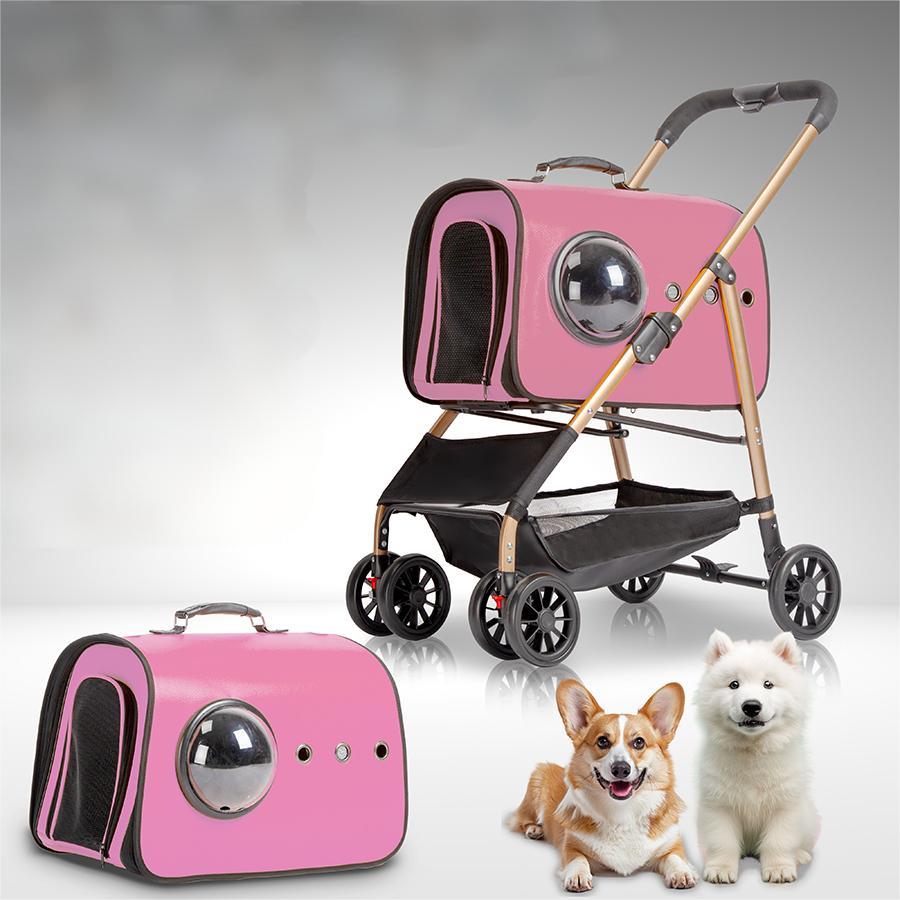
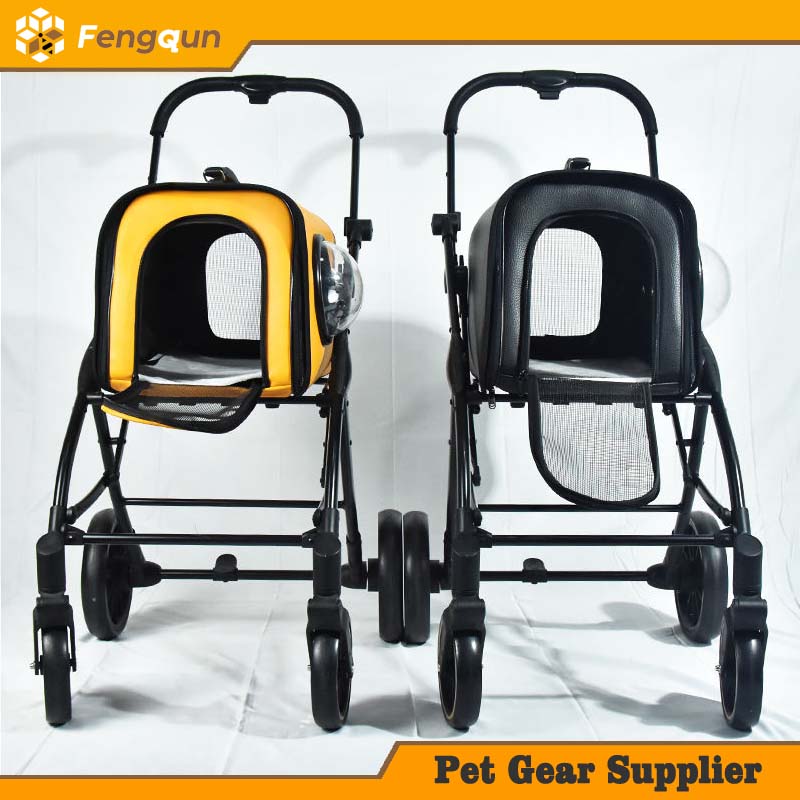
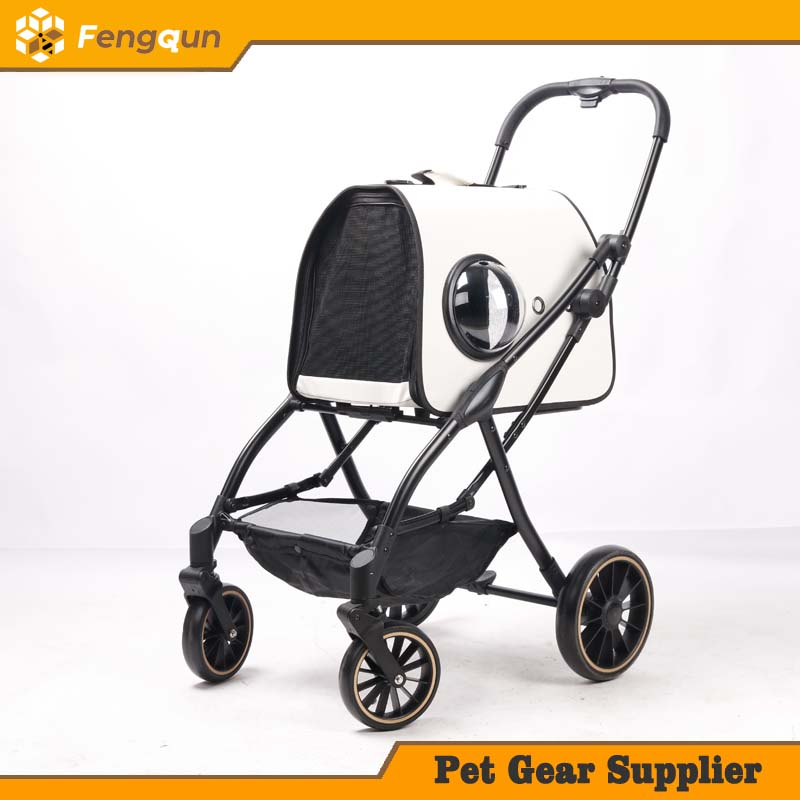
5. Stroller Carriers
· Overview: A hybrid of a stroller and carrier, these are designed for pets who can’t walk long distances.
· Advantages: Comfortable for pets, with ample space and ventilation.
· Disadvantages: Bulky and not suitable for all terrains.
· Best For: Elderly pets or those with mobility issues.
Key Features to Look for in a Pet Carrier
Choosing the right pet carrier involves more than just picking a type—it’s about finding one that meets your pet’s specific needs. Here are the essential features to consider:
1. Size and Fit
· Why It Matters: Your pet should be able to stand, turn, and lie down comfortably.
· Tip: Measure your pet’s length, height, and weight, and choose a carrier at least 1.5 times their size.
2. Ventilation
· Why It Matters: Good airflow reduces stress and prevents overheating.
· Tip: Look for carriers with multiple mesh panels or ventilation holes.
3. Durability and Materials
· Why It Matters: A sturdy carrier ensures safety and longevity.
· Tip: Opt for high-quality fabrics or hard plastic, with reinforced stitching and secure zippers.
4. Ease of Cleaning
· Why It Matters: Accidents happen, and a clean carrier is healthier for your pet.
· Tip: Choose carriers with removable, washable liners or wipeable surfaces.
5. Safety Features
· Why It Matters: Prevents escapes and keeps your pet secure.
· Tip: Look for locking zippers, harness attachments, and sturdy handles.
6. Portability
· Why It Matters: Ease of transport is key, especially for frequent travelers.
· Tip: Consider foldable designs or carriers with wheels for convenience.
7. Comfort
· Why It Matters: A cozy carrier reduces anxiety during travel.
· Tip: Look for padded interiors, soft bedding, or adjustable straps for owner comfort.
How to Introduce Your Pet to a Carrier
Many pets are hesitant or fearful of carriers, associating them with stressful situations like vet visits. Here’s how to make the carrier a positive space:
1. Start Slow
· Leave the carrier open at home with treats or toys inside to encourage exploration.
2. Use Positive Reinforcement
· Reward your pet with praise or treats when they enter or stay in the carrier.
3. Gradual Exposure
· Begin with short sessions, closing the door for a few minutes, then gradually extend the time.
4. Familiar Scents
· Place a familiar blanket or toy inside to make the carrier feel like home.
5. Practice Runs
· Take short, calm trips around the house or yard to build confidence.
Maintenance Tips for Pet Carriers
Proper care extends the life of your carrier and keeps it safe for your pet. Here’s how to maintain it:
1. Regular Cleaning
· Soft-Sided Carriers: Machine wash removable liners and wipe down surfaces.
· Hard-Sided Carriers: Use mild soap and water to clean the interior and exterior.
2. Inspect for Damage
· Check zippers, handles, and seams for wear. Replace or repair as needed.
3. Air Out After Use
· Prevent odors by airing out the carrier after each trip.
4. Store Properly
· Keep the carrier in a dry, cool place to avoid mold or mildew.
Various Uses for Pet Carriers
Pet carriers are versatile tools with multiple applications:1. Vet Visits
· Reduces stress by providing a familiar, secure space.
2. Travel
· Airline-approved carriers make air travel smoother.
3. Emergency Evacuations
· A carrier ensures your pet is ready to go in case of an emergency.
4. Safe Space at Home
· Some pets use carriers as a cozy retreat during loud events like fireworks.
5. Training
· Carriers can aid in crate training, especially for puppies.
A Brief History of Pet Carriers
Pet carriers have evolved significantly over time:
· Early Days: Simple wooden crates or baskets were used for transport.
· Mid-20th Century: Plastic and metal carriers emerged, offering more durability.
· Modern Era: Today’s carriers feature advanced designs, from soft-sided bags to multi-functional strollers, reflecting the growing emphasis on pet comfort and safety.
This evolution mirrors the changing role of pets in society—from working animals to beloved companions.
Conclusion
A pet carrier is more than just a transport tool—it’s an investment in your pet’s safety, comfort, and well-being. By understanding the different types, features, and best practices, you can choose a carrier that meets your pet’s needs and fits your lifestyle. Whether you’re planning a trip to the vet or a weekend getaway, the right carrier ensures your pet travels in style and security. Take the time to research, consult with your veterinarian if needed, and introduce your pet to their carrier gradually. With the right preparation, your pet will see their carrier as a cozy, familiar space, making every journey a positive experience for both of you.
For more about pet carrier: the essential guide to safe and comfortable pet transport, you can pay a visit to FengQun Pet Gear Supplier for more info.






