Must-Read Guide for Flying with Pets: Can I Take the Pet Stroller on the Plane?
Traveling by air with a pet can be an exciting yet daunting experience. Whether you're relocating, heading on a family vacation, or simply need to bring your furry companion along for the ride, understanding the intricacies of airline policies is crucial. Pets are more than just animals; they're family members, and ensuring their safety, comfort, and compliance with regulations is paramount. In 2025, with air travel rebounding and pet ownership at an all-time high, airlines have refined their pet policies to balance passenger needs with operational efficiency. This guide delves into everything you need to know about flying with pets, with a special focus on one common query: Can you take a pet stroller on the plane?
Pet strollers have become increasingly popular for pet owners who want to navigate airports with ease, especially for small dogs, cats, or other animals that might tire quickly or feel overwhelmed in busy terminals. These strollers offer a secure, mobile enclosure that allows pets to move around without being carried constantly. However, airline rules vary widely, and what works for one carrier might not for another. This article will explore general pet travel guidelines, specific stroller policies from major airlines, preparation tips, airport procedures, and alternatives if a stroller isn't feasible. By the end, you'll be equipped to make informed decisions and enjoy a smoother journey.
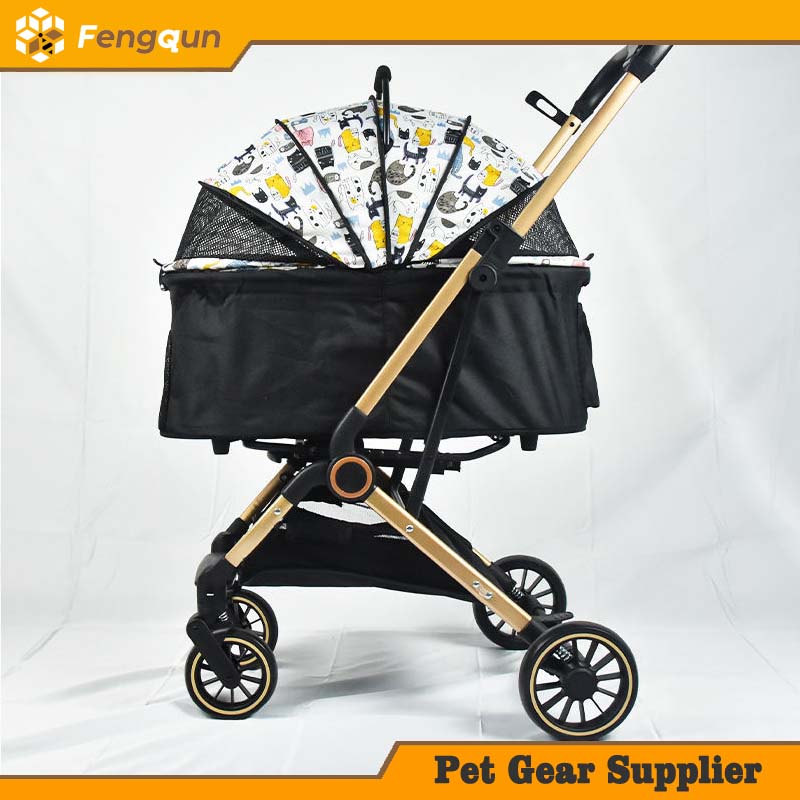
Most major carriers categorize pets into three groups: cabin pets (small animals in carriers under the seat), checked baggage pets (larger animals in crates), and cargo shipments (for unaccompanied pets or restricted breeds). For instance, Delta Air Lines allows small cats, dogs, or household birds in the cabin, provided they're at least eight weeks old for domestic flights. The pet and carrier combined must not exceed certain dimensions, typically around 18 x 11 x 11 inches, and count as your carry-on item.
American Airlines limits carry-on pets to cats and dogs meeting size, age, and destination requirements, with checked pets accepted only at the ticket counter. They emphasize that only one pet carrier per passenger is allowed in the cabin, and fees range from $125 to $200 one-way. United Airlines permits up to two pets per person on most flights, but you must purchase an adjacent seat for the second pet. There are no breed or weight limits, but the carrier must be hard- or soft-sided and fit under the seat.
Southwest Airlines is more pet-friendly, allowing small vaccinated cats and dogs in the cabin for a $95 fee, with no cargo options. JetBlue accepts small pets in carriers under the seat, with a limit of six per flight. Budget airlines like Spirit and Frontier also allow cabin pets but with stricter weight limits, often capping at 20 pounds including the carrier.
For international flights, the U.S. Department of State requires pet health certificates no older than 10 days, even if the destination country allows older ones. The International Air Transport Association (IATA) provides guidelines for pet crates, ensuring they're ventilated and secure. Breeds like brachycephalic (snub-nosed) dogs face embargoes on many airlines due to breathing risks, especially in hot weather.
Fees are a big consideration: Cabin pets typically cost $100-$150, while checked or cargo can exceed $200. Advance reservations are mandatory, as spots are limited—Delta has a first-come, first-served policy with per-flight caps. Always book your ticket first, then add your pet via phone or app.
Service animals and emotional support animals (ESAs) have different rules. Under the Air Carrier Access Act, trained service dogs fly free in the cabin, but ESAs are now treated as regular pets following 2021 changes. Documentation for service animals includes vaccination records and behavior forms.
Can You Take a Pet Stroller on the Plane?
The short answer is: It depends on the airline, the stroller's size, and how you plan to use it. Pet strollers are not universally prohibited, but they're rarely allowed in the cabin as-is due to space constraints. Instead, they're often treated as baggage, either checked or gate-checked. This section examines policies from major U.S. airlines and provides practical advice.
Starting with American Airlines: Pet strollers must be checked at the ticket counter, and standard checked baggage fees apply (around $35 for the first bag). You can only bring one additional item with your pet carrier—not both a stroller and a carrier separately. However, if the stroller folds compactly and meets carry-on dimensions (22 x 14 x 9 inches), it might qualify as a personal item, though this is rare for pet-specific models. Travelers on forums report charging fees for strollers as baggage, so budget accordingly.
United Airlines takes a similar stance: Pet strollers must be checked in the lobby and count toward your checked bag allowance. But there's a loophole—small, compact folding strollers can sometimes be brought onboard and stored in overhead bins or under seats, free of charge, if they fit carry-on rules. This makes United more flexible for pet owners with lightweight models. Always confirm at check-in, as gate agents have discretion.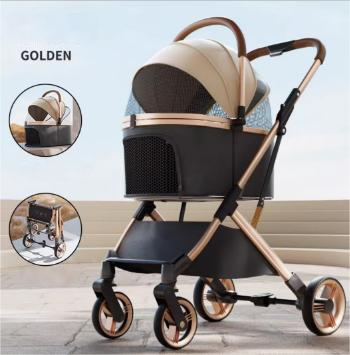
Southwest Airlines has evolved its policy. For bookings before May 27, 2025, pet strollers could be checked for free. Post that date, they may incur fees, but Southwest remains generous, allowing gate-checking similar to baby strollers. Pets must stay in carriers during boarding and flight, so the stroller is primarily for airport navigation.
JetBlue treats pet strollers as carry-on items, subject to size restrictions (typically 22 x 14 x 9 inches). If used by a service dog, it's considered an assistive device and exempt from fees. This is ideal for smaller strollers that collapse easily.
Delta Air Lines doesn't explicitly ban strollers but requires pets in kennels as carry-ons. User experiences suggest gate-checking strollers is common and often free, akin to baby gear. One Amazon reviewer noted Delta allowed a pet stroller on round-trip flights without issues.
For low-cost carriers like Breeze Airways, pet strollers can be gate-checked but must be added as checked baggage, potentially with fees. International airlines, such as Azul, limit pets but allow strollers if they fit carrier dimensions.
TSA guidelines are straightforward: At security, remove your pet from the stroller or carrier, walk it through the metal detector (or request a pat-down), and send the empty stroller through the X-ray. Strollers don't count as prohibited items, but large ones may need separate screening.
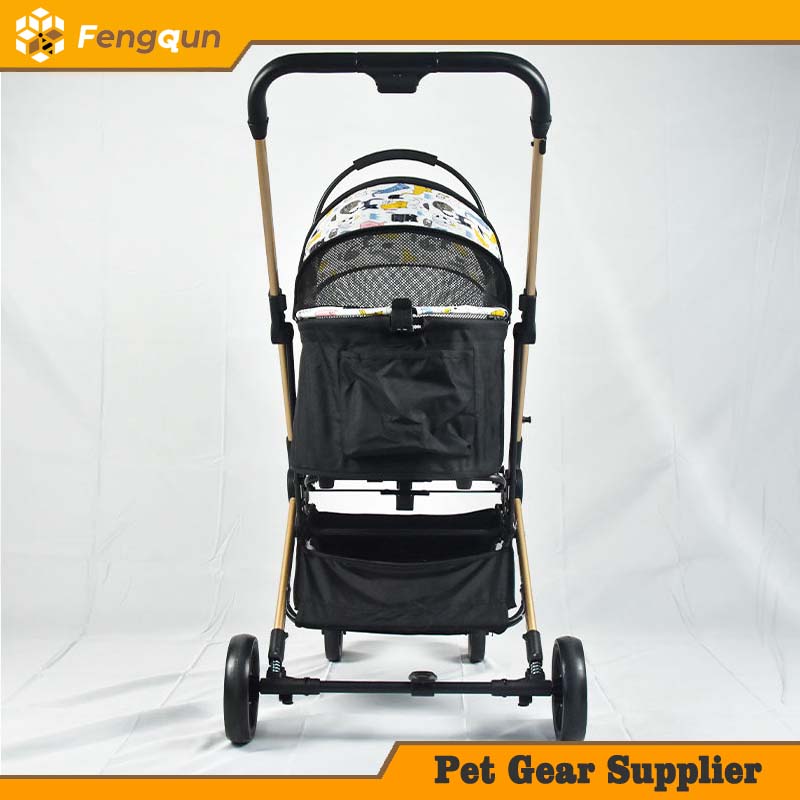
In general, it's possible to fly with a pet stroller on many airlines, subject to baggage allowances. Opt for foldable, airline-approved models like the JetPaw 3-in-1 or Mr. Peanut's, which comply with size limits. Gate-checking is often free if the stroller meets cabin requirements; otherwise, expect checked fees. Protect your stroller with a bag to avoid damage.
Preparing Your Pet for the Flight
Preparation is key to a stress-free trip. Start with a vet visit: Ensure vaccinations are up-to-date, and obtain a health certificate if required (within 10 days for international). Acclimate your pet to the carrier or stroller weeks in advance by taking short trips.
Choose the right equipment: Carriers should be leak-proof, ventilated, and labeled with "Live Animal." For strollers, select ones with mesh for airflow and wheels for easy maneuvering. Pack essentials like food, water, meds, and waste bags. Avoid sedatives unless vet-approved, as they can affect breathing at altitude.
Consider your pet's temperament: Anxious animals might benefit from pheromone collars or training. Book direct flights to minimize stress, and avoid peak travel times.
Airport Procedures and TSA Guidelines
Navigating airports with a pet stroller requires planning. Arrive 2-3 hours early for domestic, 4 for international. At check-in, declare your pet and stroller; pay fees if needed.
TSA screening: Carry your pet through the detector while the stroller is X-rayed empty. Inform officers if your pet is skittish. Once cleared, use the stroller in terminals—many airports have pet relief areas.
Alternatives to Pet Strollers
If a stroller isn't allowed or practical, consider carriers that double as backpacks or wheeled bags. Slings work for tiny pets. For larger dogs, cargo travel or driving might be better. Services like pet relocation companies handle logistics for a fee.
 Conclusion
Flying with pets, including using a stroller, is feasible with research and preparation. Check airline policies, pack wisely, and focus on safety. Happy travels!
For more about must-read guide for flying with pets: can i take the pet stroller on the plane, you can pay a visit to FengQun Pet Gear Supplier for more info.






