Know More About Airline Weight Requirements for Pet Flight Boxes
In an era where pets are increasingly considered family members, air travel with animals has surged in popularity. As of 2025, millions of pet owners navigate the skies annually with their companions, but one critical factor often determines the feasibility of such journeys: weight requirements for pet flight boxes, also known as carriers or crates. These regulations, set by airlines and influenced by organizations like the International Air Transport Association (IATA) and the U.S. Department of Transportation (DOT), ensure safety, comfort, and compliance during flights. Weight limits typically encompass the combined mass of the pet and its container, preventing overload in cabins or cargo holds and minimizing risks during turbulence or handling.
Understanding these requirements is essential to avoid denied boarding, additional fees, or the need for alternative arrangements. For cabin travel, limits are stricter to accommodate under-seat storage, often capping at 20-25 pounds total. Cargo options allow heavier pets, up to 150 pounds in some cases, but involve climate-controlled holds and higher scrutiny for animal welfare. Breed-specific rules, such as restrictions on brachycephalic (snub-nosed) dogs prone to respiratory issues, further complicate matters.

The evolution of these policies reflects broader trends in animal rights and aviation safety. Post-pandemic updates in 2025 emphasize health certifications and temperature embargoes, with many airlines phasing out cargo for certain breeds. For instance, the DOT mandates humane transport, requiring crates to permit natural postures without excessive weight allowances that could compromise this.
This article delves into general guidelines, U.S. airline specifics, international variations, recommended flight boxes, and practical tips. By adhering to these weight standards, pet owners can ensure smoother travels, reducing stress for both animals and humans. With pet air travel projected to grow by 20% in the coming years, staying informed is key to responsible pet parenthood.
General Overview of Weight Requirements
Pet flight boxes must meet weight thresholds that vary by travel mode—cabin or cargo—and airline, but core principles stem from global standards. IATA guidelines, widely adopted, specify that for cargo, containers should accommodate pets up to certain weights without compromising ventilation or security. Typically, two compatible adult animals up to 14 kg (about 31 pounds) each can share a crate if cohabiting, but individual limits apply for safety.
In the cabin, weight restrictions prioritize space constraints under seats. Most carriers enforce a combined pet-and-box limit to ensure the container fits dimensions like 18x11x11 inches, indirectly capping weights at 20-25 pounds. This prevents obstruction of aisles or emergency exits. No universal DOT weight limit exists, but airlines must report pet incidents, incentivizing conservative policies.
For cargo, limits are higher, often 100-150 pounds total, including the crate, to handle baggage systems. Crates must be rigid, leak-proof, and sized so the pet can stand, turn, and lie down—adding weight from reinforced materials. Temperature rules prohibit transport if forecasts exceed 85°F or drop below 45°F, indirectly affecting heavier pets in larger crates.
Why do weights matter? Overlimits can lead to reclassification from cabin to cargo, incurring fees up to $300 or denial of service. Health risks rise for heavier pets in confined spaces, and airlines face liability for mishaps. In 2025, updates include digital weight verifications at check-in, with some carriers using scales for accuracy.
Exceptions exist for service animals, which travel free without weight caps if trained, though they must fit cabin space. Emotional support animals now follow standard pet rules post-2021 changes.
Globally, European airlines often cap cabin at 8-10 kg (17-22 pounds) including carrier, reflecting denser flight networks. Asian and Middle Eastern carriers may ban cabin pets entirely, opting for cargo. Always verify with airlines, as policies evolve—e.g., United's 2025 increase to 25 pounds for cabin cats.

U.S. Airlines Specific Weight Requirements
U.S. airlines exhibit varied weight policies, balancing passenger demand with operational constraints. Here's a breakdown of major carriers as of 2025.
American Airlines: For cabin travel, the combined weight of pet and carrier must not exceed 20 pounds. This applies to small cats and dogs on most domestic and select international flights. Carriers recommend soft-sided for flexibility, max 18x11x11 inches. Over 20 pounds? Pets shift to cargo via American PetEmbark, where combined weights under 100 pounds qualify for certain routes like continental U.S. to Hawaii. Larger pets up to unspecified limits (often 150 pounds practically) are accepted, but brachycephalic breeds are restricted in cargo due to health risks.Fees: $150 cabin, varying for cargo.
Delta Air Lines: No strict weight limit for cabin, but pets must fit comfortably in a carrier up to 18x11x11 inches, implying around 20 pounds practically. Household birds allowed domestically. Cargo is limited to military personnel, with max 150 pounds suggested. International bans cabin for destinations like Australia or UK. Fees: $150-$200.
United Airlines: Cabin limit is 20 pounds combined, but updated to 25 pounds effective March 2025 for cats, affecting 58% of U.S. pets positively. No breed or weight caps beyond fitting the carrier (hard: 17.5x12x9, soft: 18x11x11). No pet cargo service; alternatives needed for larger animals. Fees: $125.
Southwest Airlines: Cabin-only for small cats/dogs; no cargo. No explicit weight limit, but must fit in 18.5x13.5x9.5-inch carrier. Up to two same-species per carrier if compatible. Hawaii inter-island allowed, but mainland-Hawaii restricted. Fees: $95.
Alaska Airlines: Cabin: No weight limit, soft carrier max 17x11x9.5 inches. Cargo: Available, with brachycephalic bans; seasonal embargoes in hot areas. Combined cargo weights up to 150 pounds practical. Fees: $150 cabin.
JetBlue: Cabin: No weight limit post-updates, carrier max 17x12.5x8.5 inches. No cargo; international limited. Fees: $125.
Other Carriers: Spirit/Frontier follow similar no-weight-limit but size-based rules for cabin, no cargo. Hawaiian Airlines inter-island: No limit if fitting carrier.
User experiences highlight inconsistencies; some airlines weigh at check-in, others visually inspect. Always book early, as pet slots are limited (e.g., 4-6 per flight).
International Airlines Weight Requirements
International travel amplifies complexity with country-specific quarantines and varying airline limits.
Air Canada: Cabin: Carrier max 17 inches, implied weight ~20 pounds. Baggage hold: Pet + crate <=100 pounds. Cargo for larger via Air Canada Cargo, no upper limit specified but practical 150 pounds. Brachycephalic restrictions. Fees: $50-$118 cabin.
Lufthansa: Cabin: Pet + carrier <=8 kg (17.6 pounds). Hold: Up to 8 kg cabin-style or larger in cargo, with expert handling. Larger pets allowed if meeting size. Fees: €50-€300.
ITA Airways: Domestic: Pet <=10 kg +2 kg carrier (total 26 pounds). International: Pet <=8 kg +2 kg. Hold for brachycephalic suspended 2025. Fees: Vary by route.
Other European: Many like Aegean, Air France cap at 8 kg total. British Airways: No cabin, cargo via IAG, no weight cap but crate-based.
Emirates: No cabin pets (except falcons/guide dogs), cargo only, weights per crate specs.
Asian/Middle East: Often cargo-only, limits 32-150 kg hold/cargo. Harmonization efforts via IATA aim for consistency, but check CDC/EU rules for imports.
Recommended Pet Flight Boxes
Selecting crates meeting weight needs involves durability and compliance.
· Petmate Sky Kennel: IATA-compliant for cargo, sizes for up to 150-pound pets, rigid plastic. $100+.
· Sleepypod Air: Cabin, compressible to fit under seats, up to 18 pounds. Crash-tested, $200.
· Sherpa Original Deluxe: Soft-sided cabin, fits 20-pound limits, guaranteed on-board program. $50+.
· Tavo Pets Dupree II: Cozy for cabin, under-seat fit for 20 pounds.
Away Pet Carrier: Stylish, for 20-pound cabin, with sherpa bedding. Measure pet height/length +4 inches for crate size to avoid weight overages from oversized boxes.
Tips for Compliance
Weigh pet and box at home; trim if needed. Acclimate pet to crate. Book direct flights. Carry health certs. If over limit, consider ground transport or pet shippers. Monitor for stress post-flight.
Conclusion
Navigating airline weight requirements for pet flight boxes demands diligence, but compliance ensures safe adventures. As policies adapt in 2025, consult airlines directly for seamless travels with your furry friends.
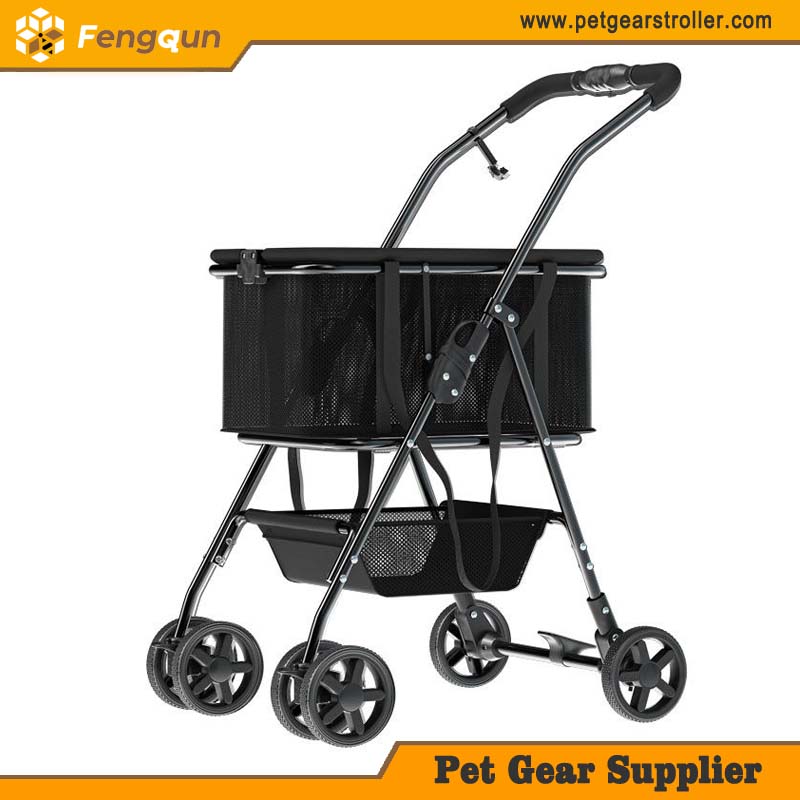
For more about know more about airline weight requirements for pet flight boxes, you can pay a visit to FengQun Pet Gear Supplier for more info.






