Integrating USB Charging Smart Features into Pet Stroller Shopping Carts: A Technical Design Guide
The Evolution of Pet Mobility Solutions
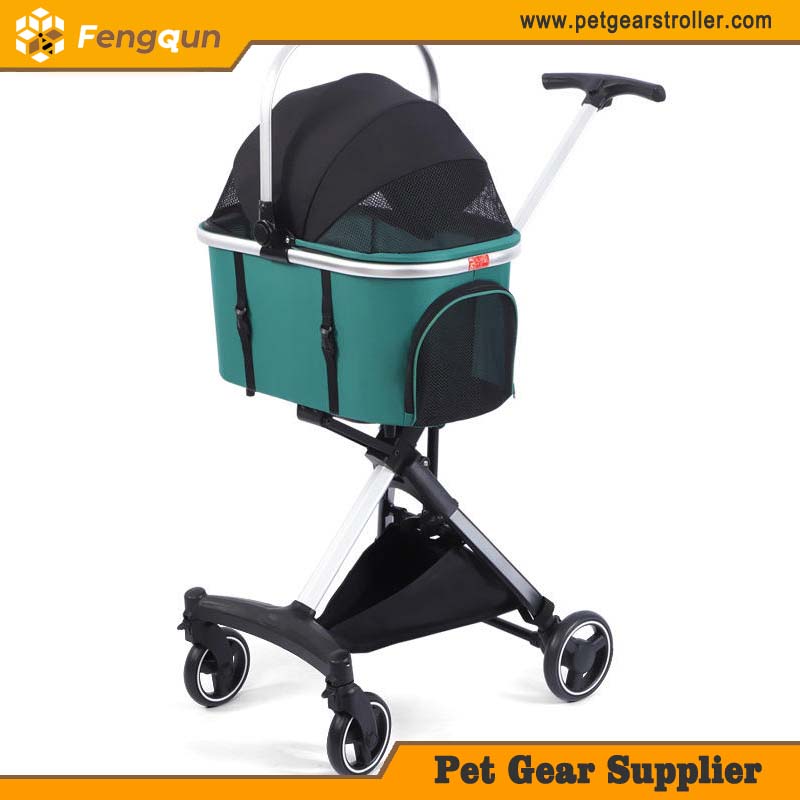
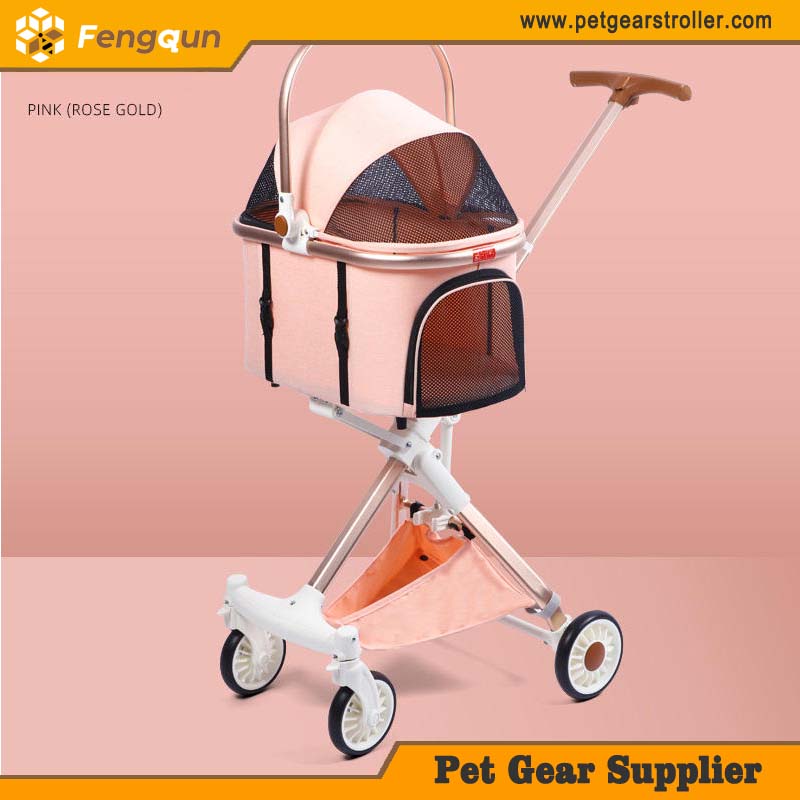
The pet stroller shopping cart represents a significant innovation in pet care, merging the functionality of a shopping cart with the convenience of pet transportation. As these hybrid products gain popularity in urban environments and among multi-tasking pet owners, there's growing demand for enhanced features without compromising core functionality. This article explores practical approaches to integrating USB charging ports and temperature control systems while maintaining the essential lightweight design and maneuverability that make these products useful. The challenge lies in adding value through technology without creating cumbersome, inefficient designs that defeat the original purpose of these practical pet mobility solutions.
Understanding the Design Constraints
Pet stroller shopping carts serve a dual purpose that creates inherent design tensions. On one hand, they must function as efficient shopping vehicles with adequate storage space, smooth rolling capabilities, and structural integrity to handle groceries. Simultaneously, they serve as safe pet carriers with proper ventilation, security, and comfort features. Adding electronic functionality introduces several critical constraints:
Weight distribution: The center of gravity must remain low and balanced to prevent tipping
Structural integrity: Additional components cannot compromise the frame's strength
Maneuverability: Wheel performance and turning radius must not be negatively impacted
Usability: The shopping experience shouldn't become more complicated
Safety: All electrical components must be properly insulated and secured, especially around pets
Section 1: Lightweight Material Selection and Structural Optimization
Before adding any features, the foundation must be optimized for minimal weight with maximum strength.
Advanced Frame Materials
Traditional steel tubing, while strong, adds considerable weight. Modern alternatives include:
Aircraft-grade aluminum alloys: Offering strength-to-weight ratios far superior to standard aluminum
Carbon fiber composites: While more expensive, they provide exceptional rigidity with minimal weight
High-strength polymers: Glass-filled nylon or similar materials for non-load-bearing components
Strategic Component Placement
The placement of additional features significantly affects balance and handling:
Low and centered positioning: Batteries and control units should be mounted near the wheelbase
Balanced left-right distribution: Symmetrical placement prevents pulling to one side
Integrated rather than added-on design: Components built into the structure rather than attached externally
Table: Material Comparison for Key Components
Component | Traditional Material | Lightweight Alternative | Weight Saving | Considerations |
Main Frame | Steel tubing (2-3kg) | Aircraft aluminum (1-1.5kg) | 40-50% reduction | Higher cost, requires protective coating |
Panels/Enclosure | ABS plastic | Polycarbonate composite | 20-30% reduction | Better impact resistance |
Wheels | Solid rubber | Foam-filled or airless tires | 15-25% reduction | May affect shock absorption |
Section 2: USB Charging Integration Strategies
Power System Design
The power supply for USB charging must balance capacity, weight, and safety:
Battery Selection
Lithium-polymer (Li-Po) batteries: Highest energy density, flexible form factors
Lithium iron phosphate (LiFePO4): Enhanced safety and longer lifespan
Integrated power banks: Standardized, removable units that users may already own
Charging Methods
Dynamo/hub generators: Convert wheel motion to electricity (best for extended outings)
Solar panels: Integrated into sunshades or canopy (supplementary charging)
Removable battery packs: Swappable units charged separately
Circuit Design Considerations
Low-voltage systems (5V USB standard) for safety
Overcharge/overcurrent protection essential with pets nearby
Water-resistant connections for outdoor use
Efficient voltage regulation to minimize power loss
Practical Implementation
Successful USB integration follows these principles:
Multiple access points: Ports accessible from both inside (for pet devices) and outside (for owner's phone)
Cable management: Integrated channels or clips to prevent tangled cords
Usage indicators: LED status lights showing charge level without being distracting to pets
Priority charging circuit: Ensuring pet safety devices (like cooling fans) maintain priority over accessory charging

Section 3: Temperature Control Systems
Cooling Mechanisms
For warm environments, several lightweight cooling options exist:
Passive Systems
Phase-change materials: Pads that absorb heat as they change from solid to gel
Reflective surfaces: Metallicized fabrics that reflect solar radiation
Ventilation optimization: Strategic mesh panels promoting cross-ventilation
Active Systems
Brushless DC fans: Extremely efficient, quiet, and lightweight
Peltier thermoelectric coolers: Solid-state cooling for small spaces
Evaporative cooling pads: Effective in low-humidity environments
Heating Solutions
For colder climates, safe heating presents unique challenges:
Radiant barrier fabrics: Reflecting pet's body heat back inward
Low-wattage carbon fiber heating pads: Energy efficient and evenly distributed heat
Insulated inserts: Removable liners that trap warmth without electronics
Integrated Climate Control System
A balanced approach combines multiple elements:
Thermostatic control: Maintaining set temperature range automatically
Zoned environment: Different areas of the pet compartment can have different temperatures
Remote monitoring: Bluetooth or simple display showing internal temperature
Fail-safe mechanisms: Automatic shutdown if ventilation is blocked or system malfunctions
Section 4: Mechanical and Electrical Integration
Unified Power Management
Rather than separate systems for each function, an integrated approach saves weight and complexity:
Single battery system serving all electronic functions
Smart power allocation directing energy where most needed
Energy recovery systems capturing momentum during braking or downhill movement
Structural Integration Points
Strategic placement minimizes weight impact:
Handlebar integration: Controls, display, and charging ports in the handle
Undercarriage mounting: Batteries and control units protected beneath the main compartment
Canopy utilization: Solar panels and ventilation systems in overhead structures
Wheel integration: Dynamo generators within wheel hubs
Connection Systems
Modular connectors: Allow components to be removed when not needed
Wireless controls: Reduce wiring weight and complexity
Quick-disconnect features: For easy maintenance and component replacement
Section 5: Prototyping and Testing Considerations
Weight Distribution Analysis
Computer modeling: CAD simulations predicting how additions affect center of gravity
Iterative prototyping: Testing with weighted mockups before final components
Dynamic testing: Evaluating performance on various surfaces and inclines
Maneuverability Metrics
Quantifiable tests should include:
Turning force measurement: How much effort required for 90° and 180° turns
Obstacle navigation: Performance over thresholds, bumps, and inclines
One-handed operation test: Essential for shopping while managing pet
Safety Validation
Critical testing protocols:
Thermal testing: Ensuring no components become dangerously hot
Electrical isolation: Complete protection from shorts, especially in wet conditions
Structural stress tests: Frame integrity under maximum load with added components
Pet behavior observation: Animals' reactions to operational sounds and vibrations
Case Study: Implementing a Balanced Design
Consider a practical implementation for a mid-sized pet stroller shopping cart:
Frame: Aircraft aluminum with carbon fiber reinforcements at stress points (saving 1.8kg versus steel)
Power: 10,000mAh LiFePO4 battery mounted horizontally beneath main compartment
Charging: Two USB-C ports (18W PD) in handle, one USB-A in pet compartment
Temperature: Two brushless fans with thermostat control, plus reflective canopy
Controls: Centralized button panel with Bluetooth connectivity to smartphone app
Total added weight: Approximately 1.2kg (battery: 450g, fans: 200g, wiring/controls: 550g)
Compensation: Removed 800g of redundant structural elements through optimized design
Net weight increase: Only 400g over base model with significantly enhanced functionality
Conclusion: The Future of Smart Pet Mobility
Integrating USB charging and temperature control into pet stroller shopping carts represents a meaningful evolution in pet care technology. The successful implementation of these features hinges on a holistic design philosophy that considers every added gram and its effect on the overall user experience. Through strategic material selection, clever component integration, and balanced system design, manufacturers can enhance functionality without compromising the essential characteristics that make these products practical.
The market for pet products increasingly reflects human technological expectations, with connected features and climate-controlled environments becoming standard expectations rather than luxuries. However, the true test of these integrations will always be in daily use—whether at the supermarket, in the park, or during travel. Products that add genuine utility while maintaining ease of use will define the next generation of pet mobility solutions, creating happier experiences for both pets and their owners in an increasingly urbanized world.
Future developments may include solar-integrated fabrics, kinetic energy recovery systems, and biometric monitoring of pet wellbeing. Regardless of specific features, the fundamental principles outlined here—preserving maneuverability, minimizing weight impact, and ensuring safety—will remain essential to creating successful integrated designs for years to come.
For more about integrating USB charging smart features into pet stroller shopping carts: a technical design guide, you can pay a visit to FengQun Pet Gear Supplier for more info.






