How to Solve the Problem Between the Pet Stroller's Seating Area and the Shopping Storage Space
For the modern urban pet owner, the pet stroller has evolved from a quirky novelty into an indispensable tool. It facilitates longer outings, provides a safe haven in crowded spaces, and offers respite for older or smaller pets. Yet, many owners quickly encounter a fundamental design dilemma that turns a leisurely stroll into a logistical puzzle: the eternal tug-of-war between the pet's seating area and the storage space for shopping, personal items, or walk essentials.
This conflict is more than a minor inconvenience; it’s a core usability issue. On one side is our primary passenger, deserving comfort, safety, and a stress-free ride. On the other is the practical reality of life—groceries need to be carried, a purse or backpack must be stored, and poop bags, water bottles, and toys are part of the package. Solving this problem isn't about declaring a winner, but about achieving a harmonious balance through smart product selection, strategic organization, and creative adaptation.
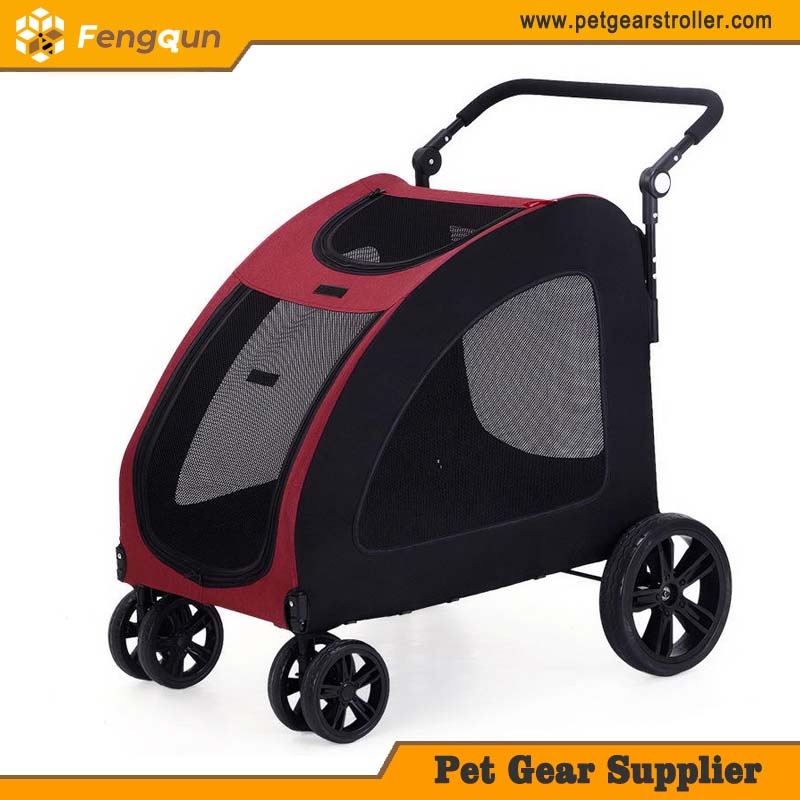
Understanding the Core of the Conflict
Before seeking solutions, we must diagnose the problem. The tension arises from several intersecting factors:
Fixed Physical Space: A stroller’s frame has finite dimensions. Enlarging the cabin for a larger pet directly reduces the potential under-seat basket area, and vice-versa.
Weight Distribution and Stability: Adding weight (from shopping or storage) high up or off the rear can make the stroller prone to tipping, especially when a pet moves. Proper weight must be low and centered.
Pet Safety and Comfort: Storage items must never encroach on the pet’s space, risk falling on them, or block ventilation. The pet should be able to stand, turn, and lie down comfortably without touching any cargo.
Accessibility: The owner needs easy access to storage without disturbing the pet, and the pet needs easy, safe entry and exit without navigating over bags.
The "Multi-Purpose Mission Creep": We often buy a stroller primarily for the pet, but then naturally start expecting it to also function as a shopping cart, diaper bag, and cargo hauler.
Recognizing these constraints is key. The goal is not infinite space, but intelligent, flexible, and secure use of the space available.
Strategy One: Choose the Right Pet Stroller Design
The battle is often won at the point of purchase. Not all strollers are created equal concerning storage.
Prioritize a Large, Accessible Undercarriage Basket: This is the holy grail of pet stroller storage. Look for models with a basket that is not just a token net, but a robust, preferably rigid or canvas-bottomed compartment. Key features include:
High Weight Capacity: Some baskets hold only 5 lbs, others 10-15 lbs or more. Check the specifications.
Full-Length Access: Can you access it from the sides and the back, even with the pet cabin extended? A rear-only access is limiting when the stroller is packed.
Secure Attachment: A basket that sags or swings is useless. It should be taut and firmly attached to the frame.
Consider a "Double-Decker" or Extended Frame Design: Some strollers are explicitly designed with this conflict in mind. They may feature:
A longer frame that provides a generous pet cabin and a dedicated rear storage platform or extended basket behind the cabin.
A design where the storage basket is partially under and partially behind the cabin, maximizing cubic volume.
Evaluate the "Top Shelf" – Rear Storage Pockets & Parent Organizers: Many strollers come with mesh pockets on the back of the interior cabin or on the handlebar console. These are perfect for lightweight, frequently needed items: phone, keys, poop bags, treats, a small water bottle. This frees up the main basket for heavier shopping.
Assess the Cabin's "Wasted Space": Some cabins are tall but short; others are long but low. Consider your pet's shape and the potential for using the space around them (carefully) for soft, lightweight items like a folded jacket.
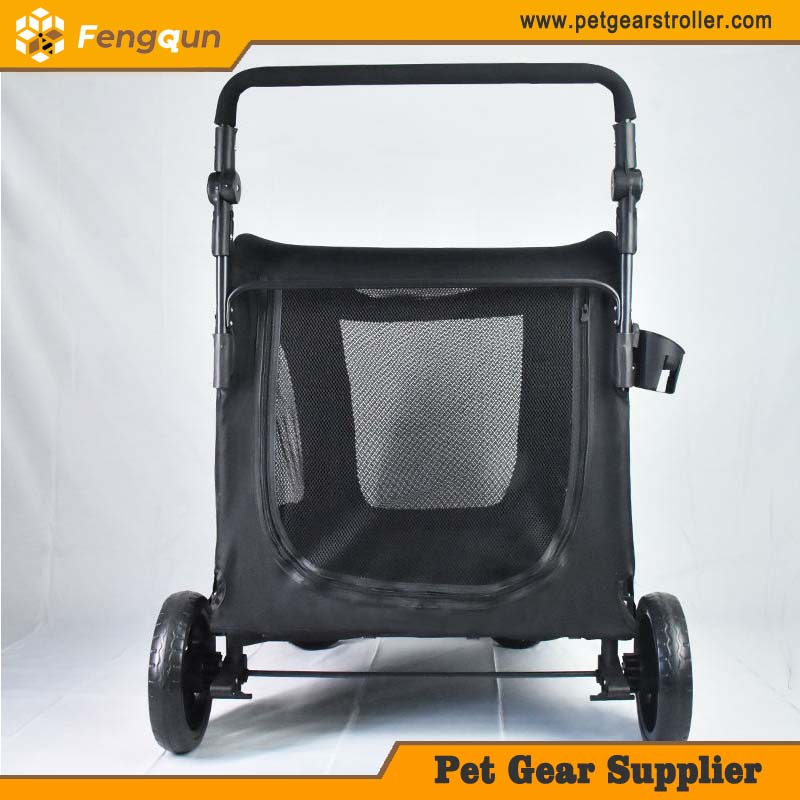
Strategy Two: Master the Art of Strategic Packing and Accessories
Once you have your stroller, optimizing its capacity is an art form.
The Principle of Vertical Stacking in the Basket: Use the basket depth. Place flat, heavy items first (bags of flour, a six-pack of soda) at the very bottom to keep the center of gravity low. Then layer lighter, bulkier items on top (bread, paper towels). Use reusable shopping bags that can be compressed.
Invest in Specialized Stroller Accessories:
Hook It On: Heavy-duty stroller hooks that attach to the handlebar are invaluable. They can hold 2-3 reusable shopping bags with heavier items. Crucial Warning: Never hang bags on the handlebar if the stroller is not weighted in the front (i.e., with your pet inside), as this will cause it to tip backwards. Always use the wrist strap.
Cargo Nets & Bungees: A simple elastic cargo net can be stretched over a pile of items in the rear basket or on a rear platform, securing them neatly.
Detachable Saddle Bags: Some companies offer bags that clip specifically onto the stroller's sides or frame, creating additional compartmentalized storage.
The "Pet's Cabin vs. Cargo" Rule: Establish a firm boundary. The pet's cabin is for the pet, their bed, and perhaps one soft toy. Never use it for shopping, especially items that could roll, leak, or have sharp edges. The only exception might be placing a very light, sealed bag of clothing or pillows in front of a very small pet in a large cabin, ensuring they are completely separated and not distressed.
Use Your Pet's Walk Gear as Storage: Is your dog wearing a harness? Consider a lightweight saddlebag-style pack for them to carry their own water, treats, and waste bags (only if they are comfortable and it's vet-approved). This turns them from passive cargo into a participant.
Strategy Three: Adapt Your Habits and Expectations
Sometimes the solution lies not in the gear, but in our approach.
The "Multi-Trip" or "Errand Sequencing" Mindset: For a major grocery run, accept that the stroller may not be the sole solution. Park close, use the stroller to transport the pet and a first load of perishables, then make a second trip with a cart or bags. Plan errands so that the heaviest shopping is done last, just before returning home.
Embrace Collapsible, Secondary Storage: Always keep a sturdy, fold-flat reusable bag in the stroller's pocket. When you unexpectedly buy more than fits, you now have an extra bag to carry by hand or hook on.
Prioritize and Pack Smart for the Walk Itself: Before leaving, do a mental check. What is absolutely necessary for the walk (water, bags, wallet, keys)? What might you acquire (shopping)? Pack the walk essentials in the easily accessible pockets, leaving the main basket as empty as possible for acquisitions.
Consider the "Modular" Approach: For all-day outings, a backpack worn by the owner might be the best primary storage vessel. The stroller basket then becomes auxiliary space for items bought during the day, or a place to stow the backpack when the pet needs to get in or out.
Scenario-Based Solutions
Let’s apply these strategies to common situations:
The Big Grocery Run: Use the undercarriage for canned goods, dairy, and boxes. Hang lighter items like chips or cereal in bags on the hooks. Place delicate items like eggs or fruit in the top-tier parent organizer (if secure) or in a separate bag you carry. The pet cabin remains sacred.
The Day at the Farmers Market: A cargo net is perfect for securing irregularly shaped produce. Use the basket for heavier squashes and melons, and mesh pockets for your wallet and phone as you navigate crowds.
The Trip to the Park: Here, storage is for your stuff and the pet's. Basket holds a picnic blanket, your water bottle, and a book. Rear pockets hold toys, treats, and waste bags. The cabin has the pet and their comfortable pad.
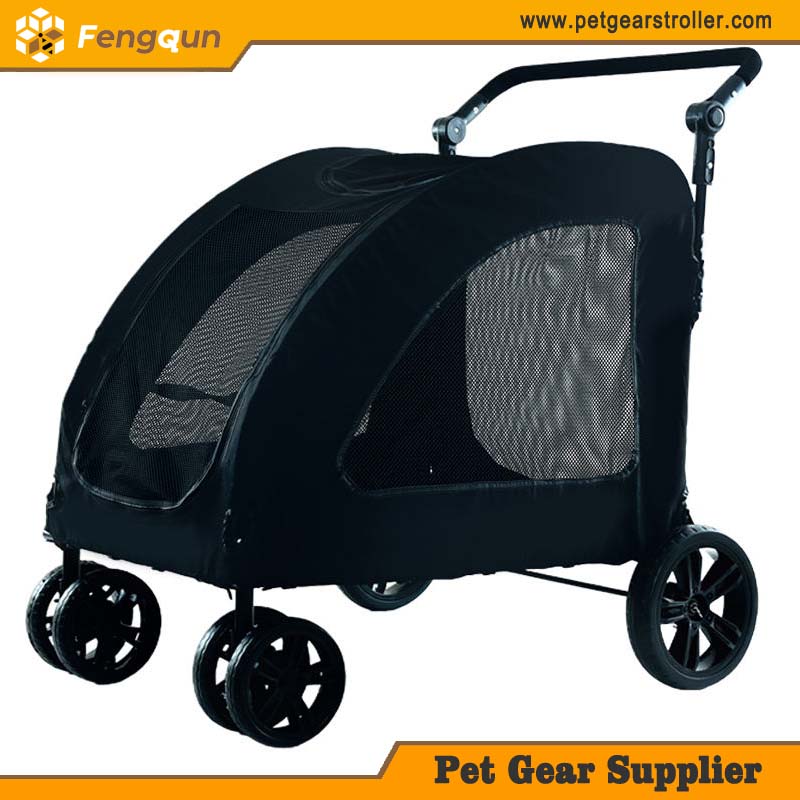
Conclusion
Solving the seating versus storage conflict ultimately reframes our relationship with the pet stroller. It ceases to be a simple transporter and becomes a thoughtfully managed mobile basecamp. The solution is never a single magic bullet but a layered approach: selecting a design with intelligent storage intent, augmenting it with clever accessories, and adapting our own habits to work within its physical limits.
By prioritizing our pet’s comfort as non-negotiable and then creatively maximizing the ancillary spaces, we achieve the true purpose of the device: to include our furry family members in our daily lives seamlessly and joyfully, without sacrificing practical necessity. The perfect balance is when your pet naps contentedly in their cozy cabin, unaware of the week’s groceries securely stowed beneath them, leaving you free to enjoy the journey together.
For more about how to solve the problem between the pet stroller's seating area and the shopping storage space, you can pay a visit to FengQun Pet Gear Supplier for more info.






