How to Choose a Safe & Comfortable Pet Stroller for Your Lovely Puppy
Bringing a new puppy into your home is one of life's greatest joys. Those tiny paws, wagging tails, and boundless curiosity fill your days with love and laughter. But as adorable as they are, puppies—especially small breeds or those with health issues—can tire quickly during walks, hikes, or even simple errands. This is where a pet stroller comes in, transforming outings from exhausting chores into delightful adventures for both you and your furry friend.
A well-chosen pet stroller isn't just a convenience; it's a lifeline for mobility-challenged pups, seniors, or those recovering from surgery. It allows your puppy to join in on family explorations without overexertion, promoting physical and mental well-being. According to experts, strollers can reduce stress on developing joints and prevent injuries in brachycephalic breeds like Pugs or French Bulldogs that struggle with long walks.
However, not all pet strollers are created equal. With a market flooded by options ranging from budget joggers to luxury all-terrain models, selecting the right one requires careful consideration. Safety must come first—your puppy's security is non-negotiable. Comfort follows closely, ensuring they feel cozy and relaxed rather than confined. In this comprehensive guide, we'll walk you through the essential factors to evaluate, from weight capacity to wheel quality, and even recommend top picks based on rigorous testing. By the end, you'll be equipped to choose a stroller that keeps your lovely puppy safe, snug, and smiling on every journey. Whether you're navigating city sidewalks or park trails, the perfect stroller will make those moments even more memorable.

Understanding When You Need a Pet Stroller
Before diving into features, it's crucial to assess if a pet stroller is right for your puppy. Not every dog requires wheels, but certain scenarios make them indispensable. For starters, consider your puppy's age and breed. Puppies under six months often lack the stamina for extended outings, and small breeds like Chihuahuas or Yorkies may simply prefer being carried. If your pup has mobility limitations—due to injury, arthritis, or congenital conditions—a stroller provides gentle support without strain.
Lifestyle plays a big role too. Urban dwellers juggling errands might need a compact model for quick trips to the vet or grocery store. Active families heading for hikes or beach days will benefit from rugged, all-terrain options. Even apartment dwellers with limited space appreciate foldable designs that tuck away easily. Think about your routine: Do you travel by car often? Opt for a stroller that doubles as a car seat. Planning family vacations? Look for lightweight models that fit airline carry-on rules.
Experts emphasize that strollers aren't a substitute for exercise but a supplement. Introduce your puppy gradually—start with short rides to build familiarity and prevent anxiety. Signs it's time for a stroller include panting after brief walks, reluctance to move, or limping. By recognizing these cues, you'll ensure the stroller enhances your bond rather than becoming a crutch. Ultimately, it's about prioritizing your puppy's health and happiness, allowing them to explore the world at their own pace while you enjoy the scenery side by side.
Key Safety Features to Prioritize
Safety is the cornerstone of any pet stroller purchase—after all, your puppy's well-being depends on it. Start with restraint systems: A built-in interior leash or tether that clips to your pup's harness or collar prevents escapes during bumpy rides. Avoid models with flimsy hooks; opt for durable, adjustable ones that allow movement without full freedom. Safety clips or magnetic buckles on entry points add an extra layer, ensuring the door stays secure even if your puppy gets excited.
Braking mechanisms are non-negotiable. Rear foot brakes lock the wheels instantly, ideal for pausing on hills or curbs. For joggers, hand-operated brakes offer precise control at higher speeds. Test these in-store if possible—smooth engagement without slipping is key. Stability matters too; look for wide bases and low centers of gravity to prevent tipping on uneven terrain. Three- or four-wheel designs with shock absorbers absorb jolts, protecting your puppy from sudden impacts.
Visibility and protection features round out the essentials. Mesh panels on all sides allow airflow while letting you monitor your pup—and vice versa, reducing separation anxiety. A sturdy canopy with UPF 50+ fabric shields from sun, rain, or debris, often with adjustable heights for peeking out. Reflective strips on the frame enhance nighttime safety for you both. Finally, crash-tested models that convert to car seats provide seamless protection from home to highway. By prioritizing these, you'll create a secure cocoon where your puppy can relax without worry, turning every stroll into a worry-free delight.
Ensuring Comfort for Your Puppy
Once safety is locked in, focus on comfort—because a happy puppy means a happy outing for everyone. The interior is ground zero: Seek padded, removable liners made from soft, breathable fabrics like fleece or mesh. These should be machine-washable for easy cleanup after muddy paws or accidents, a must for playful puppies. Adjustable harness points or cozy bolsters prevent shifting, while spacious designs allow your pup to lie down, stand, or curl up naturally.
Ventilation is vital to avoid overheating, especially for fluffy breeds. Large mesh windows promote cross-breezes, and some models include built-in fans or cooling gel mats for hot days. Shade options like extendable hoods or pull-out awnings provide relief without blocking views. For noise-sensitive pups, quieter wheels and suspension systems minimize vibrations and rattles, mimicking a gentle rock.
Ergonomics extend to you too, but puppy-centric touches elevate the experience. Low entry heights make hopping in effortless for short legs, and multi-position recline options let them nap undisturbed. Accessories like built-in water bowls or toy pockets keep them entertained. Remember, comfort evolves—start with trial runs at home to gauge your puppy's preferences. A stroller that feels like a portable den will encourage use, fostering positive associations with travel. In essence, it's about replicating the security of home on the go, ensuring your little one feels pampered, not packed in.
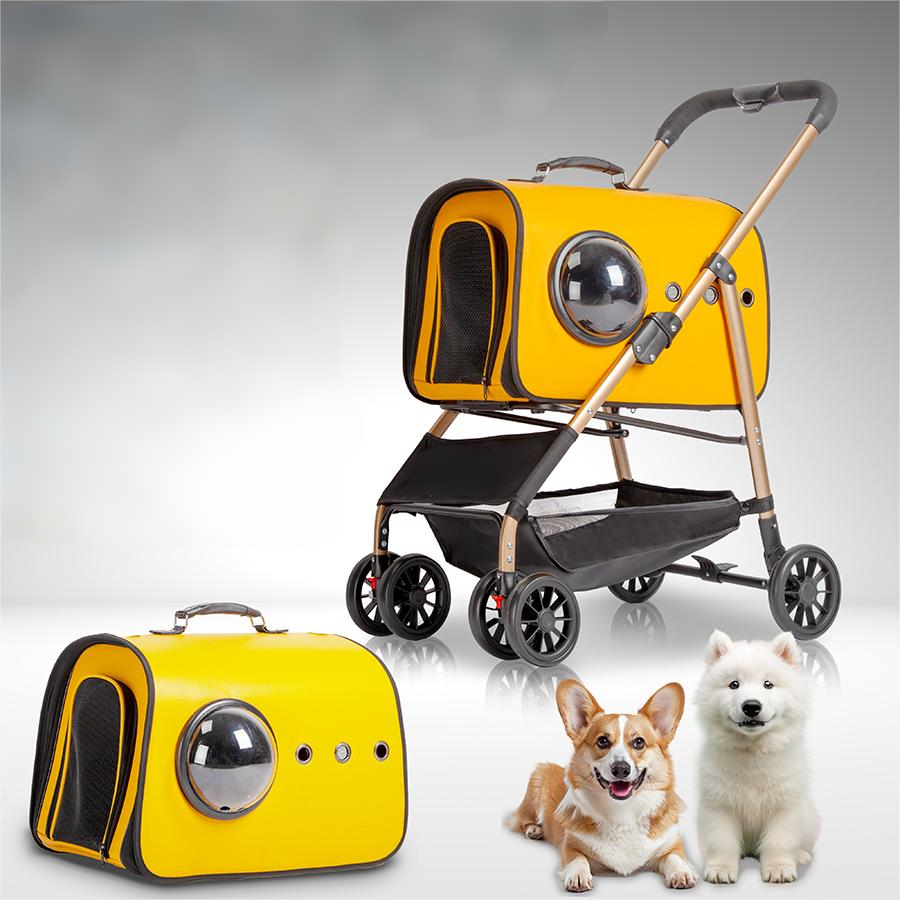
Size, Weight Capacity, and Fit
Getting the dimensions right is like tailoring a suit—too tight, and it's uncomfortable; too loose, and it's impractical. Begin by measuring your puppy: Length from nose to tail base, height from floor to shoulder, and current weight (factor in 20-30% growth for young pups). Strollers typically handle small (under 15 lbs), medium (15-30 lbs), or large (over 30 lbs) pets, but always choose one with 10-20 lbs buffer for safety.
The carriage should allow at least 4-6 inches of wiggle room on all sides for stretching. Depth matters for lounging, while width accommodates broader chests. Test fit if buying in-person—your puppy should enter/exit easily without squeezing. For multi-pet households, tandem models offer side-by-side space.
Overloading is a common pitfall; exceeding capacity risks frame failure or poor handling. Lighter strollers (under 20 lbs empty) suit casual use, while heavier ones provide durability for rough paths. Compact folds are a boon for storage, fitting car trunks or closets. By nailing the fit, you'll avoid returns and regrets, creating a personalized haven that grows with your puppy.
Maneuverability and Build Quality
A stroller's wheels and frame dictate how smoothly your adventures flow. For urban jaunts, four-wheel models with 360-degree swivel fronts excel in tight spaces, while locking rears stabilize on slopes. All-terrain needs call for larger, rubberized wheels with suspension—think air-filled tires for shock absorption over gravel or grass. Avoid cheap plastic; they wear quickly and transmit every bump.
Build quality shines in materials: Aluminum or steel frames resist rust and bends, with weatherproof fabrics for longevity. Adjustable handlebars (34-42 inches) prevent back strain, and one-handed folds simplify transitions. Storage baskets underneath hold leashes or treats, keeping hands free.
Test on varied surfaces—smooth gliding without wobbling ensures control. High-end models even include cup holders or parent trays. Prioritizing these turns potential hassles into seamless fun, letting you focus on your puppy's joyful barks rather than wrestling the wheels.
Types of Pet Strollers
Pet strollers come in flavors to match every lifestyle. Standard three-wheel joggers suit speed demons, with ergonomic handles for runs up to 5 mph. Four-wheel classics mimic baby strollers, prioritizing stability for leisurely walks. All-terrain beasts boast rugged tires and brakes for off-road escapades.
Detachable designs shine for versatility—carriers that snap onto frames double as backpacks or seats. Non-detachable options fold ultra-compact for apartments. Luxury hybrids add tech like GPS trackers or heated liners. Choose based on use: Jogger for fitness, carrier for travel. Each type balances safety and comfort uniquely, ensuring your puppy's stroller matches your moves.
Budget Considerations and Top Recommendations
Budget-wise, expect $50-150 for basics, $150-300 for mid-range, and $300+ for premium. Value lies in durability—skimping on safety saves pennies but costs peace of mind. Factor warranties (1-2 years standard) and resale value.
Top picks from testing:
1. Pet Gear Happy Trails Lite No-Zip ($100-150): Security leash, mesh ventilation, shock absorbers. Pros: Lightweight, easy fold. Cons: Snug for max weight. Ideal for small puppies.
2. Tavo Maeve + Roscoe 3-in-1 ($250-350): Crash-tested, UPF50 canopy, cozy liners. Pros: Versatile car seat. Cons: Bulky. Perfect for travel-loving families.
3. HPZ Pet Rover Prime 3-Wheel ($80-120): Wrap-around mesh, easy entry. Pros: Affordable. Cons: Limited storage. Great starter for budget-conscious owners.
4. Pet Gear Expedition No-Zip ($150-200): High capacity, adjustable bar. Pros: Spacious. Cons: Basic storage. Suits growing pups.
5. Pet Gear No Zip Jogger ($200-250): Roomy for multiples, smooth ride. Pros: Jog-friendly. Cons: Doesn't fold flat. Best for active duos.
These balance safety, comfort, and value, vetted for real-world performance.
Maintenance and Care
Keep your stroller pristine with regular wipes—fabric cleaners for liners, soapy water for frames. Lubricate wheels monthly, check brakes seasonally. Store dry, folded in shade to prevent fading. Inspect for wear quarterly. Proper care extends life, safeguarding your puppy's rides.

Conclusion
Choosing a safe, comfortable pet stroller boils down to thoughtful matching of features to your puppy's needs and your lifestyle. From leashes and brakes to plush liners and sturdy wheels, each element crafts a world of worry-free wonder. Invest wisely, and watch your lovely pup thrive on every escapade. Happy strolling—may your paths be paved with tail wags and treasured memories.
For more about how to choose a safe & comfortable pet stroller for your lovely puppy, you can pay a visit to FengQun Pet Gear Supplier for more info.






