How Pet Strollers Enhance Mobility and Quality of Life for Owners with Physical Limitations
The human-animal bond is a profound source of emotional support, companionship, and motivation for physical activity. For individuals living with mobility impairments, chronic conditions, or age-related limitations, maintaining this bond through outdoor activities with their pets can present significant challenges. Traditional pet care methods often rely on the owner's physical ability to walk, bend, and carry. This article examines the pet stroller not as a luxury item, but as a critical assistive technology device that bridges the gap between physical limitation and the innate desire to provide care and engage in shared experiences with a companion animal. We will analyze the specific design features of modern pet strollers—encompassing ergonomics, materials, safety, and accessibility—and evaluate their multifaceted impact on the physical health, psychological well-being, and social inclusion of both the owner and the pet.
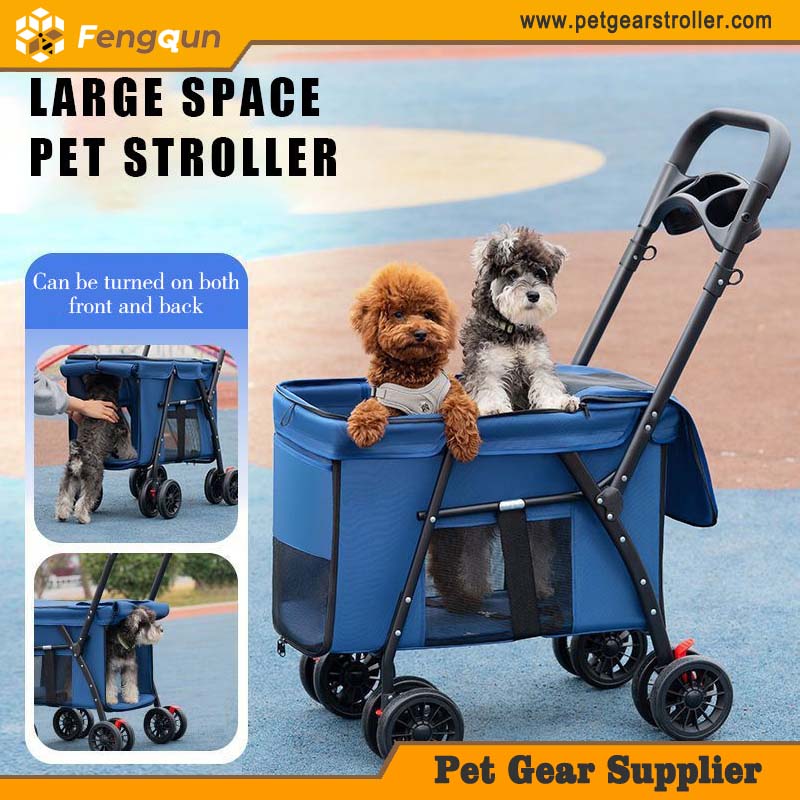
The Intersection of Mobility Challenges and Pet Ownership
Pet ownership is statistically prevalent among individuals with disabilities, drawn to the unconditional love and routine pets provide. However, the very activities that define responsible pet ownership—daily walks, veterinary visits, trips to parks—can become sources of anxiety, pain, or outright impossibility for owners dealing with conditions such as arthritis, multiple sclerosis, chronic fatigue syndrome, post-operative recovery, cardiac issues, or general age-related decline.
The primary barriers include:
Endurance and Pain: Inability to walk long distances or stand for extended periods.
Balance and Stability: Risk of falls when handling a leash, especially with a strong or excitable pet.
Upper Body Strength: Difficulty bending to attach a leash, lift a pet into a car, or manage waste cleanup.
Fatigue: Conditions like "post-exertional malaise" can make a simple walk debilitating for days.
When these barriers force a reduction in outdoor activities, both parties suffer. The pet may develop behavioral issues from pent-up energy and lack of stimulation, while the owner experiences guilt, social isolation, and a diminished sense of capability. This is where the engineered intervention of the pet stroller becomes transformative, shifting the paradigm from owner-as-walker to owner-as-navigator.
Technical Design Features: Engineering for Accessibility and Empowerment
Modern pet strollers are sophisticated mobility aids. Their effectiveness for owners with limitations hinges on specific technical design elements.
1.Ergonomic Frame and Handling
Lightweight Composite Materials: Frames constructed from aerospace-grade aluminum or reinforced polymers significantly reduce overall weight, minimizing the effort required for pushing, lifting, and folding.
Adjustable Handlebar: A telescoping handlebar allows users of different heights or those who must use a mobility aid like a rollator to find an optimal, back-saving pushing posture. A pivoting handlebar (swivel front wheel) offers superior maneuverability in tight spaces like store aisles or elevators.
One-Hand Folding Mechanisms: Sophisticated locking systems enable secure, single-handed folding and unfolding. This is crucial for owners who may need to hold a cane, leash, or support themselves with one hand.
Low-Center-of-Gravity Design: A stable, wide wheelbase prevents tipping, instilling confidence in users with balance concerns. This is often combined with a lightweight frame for a stable yet easy-to-maneuver product.
2. Mobility and Terrain Adaptation
Suspension Systems: Similar to bicycle or wheelchair shocks, integrated suspension absorbs impacts from cracks, curbs, and uneven pavement. This protects the pet from jostling and reduces the physical feedback and control effort required by the owner.
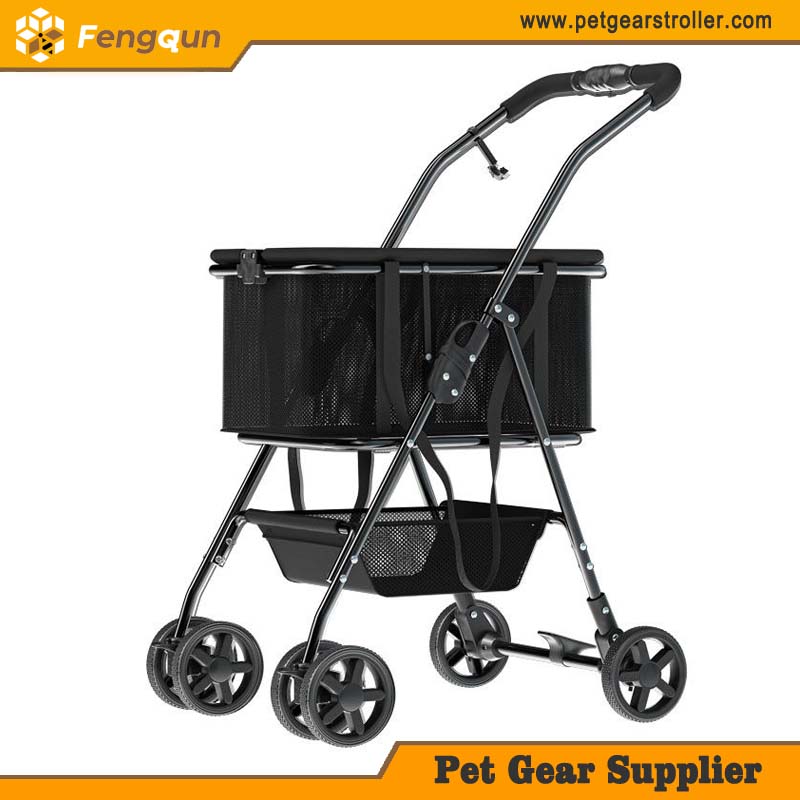
Multi-Wheel Configurations & Braking: Three or four large, air-filled or foam-filled wheels provide stability and smooth rolling over varied surfaces (asphalt, grass, gravel). A linked, parking-brake system that secures at least two wheels is essential for safe loading/unloading on inclines.
3. Accessibility-Focused Compartment Design
Multiple Entry Points: Top, front, and side entries offer flexibility. A top-entry "taco-shell" style is ideal for an owner who cannot bend low, allowing them to lower the pet in from above. A large front opening facilitates easy walk-in for trained pets.
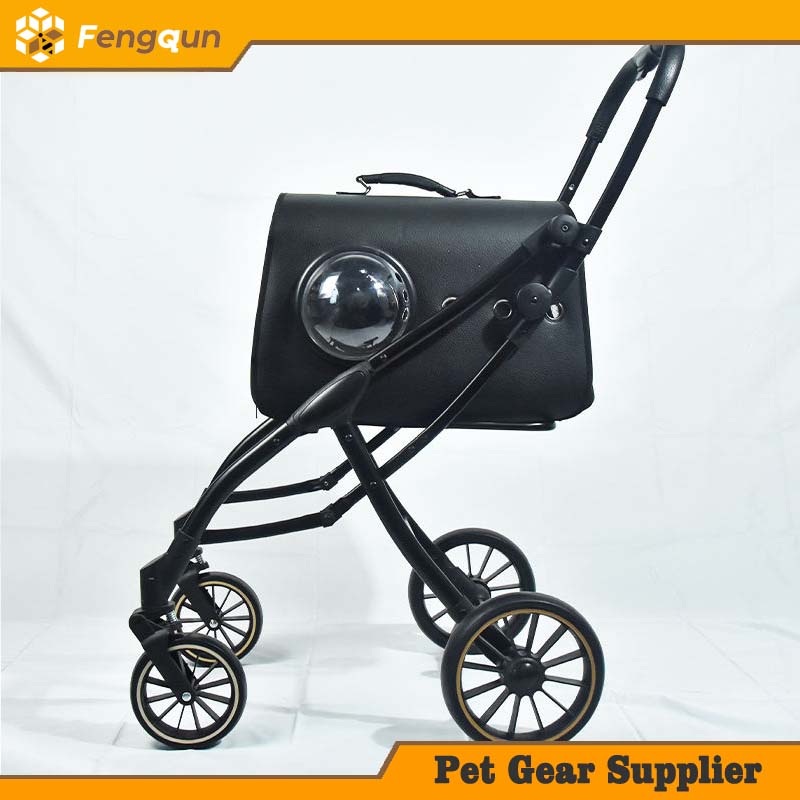
Removable, Washable Carrier: The inner carrier can often be unclipped and used as a standalone car-safe carrier or a comfortable indoor bed, eliminating the need to lift the entire stroller or transfer a sleeping pet.
Secure Containment: Multi-point leash clips, zippered mesh screens, and locking mechanisms ensure the pet remains safely contained, alleviating the owner's anxiety about the pet jumping out unexpectedly, which could cause a fall or chase scenario they are physically unable to manage.
4. Integrated Functionality for the Owner
Underseat Storage: Ample storage baskets or compartments allow the owner to carry pet supplies (water, bowls, waste bags), personal items, or even groceries, eliminating the need to carry additional bags that could compromise balance.
Canopy and Weather Protection: A full-coverage, waterproof canopy with zip-up windows enables outings in drizzling rain or bright sun, expanding the range of "good weather" days for activity without exposing the owner or pet to discomfort.
Impact Analysis: Beyond Convenience to Holistic Well-being
The adoption of a pet stroller catalyzes a cascade of positive outcomes across physical, psychological, and social domains.
1. Physical Health and Functional Independence
Maintained Activity: The stroller enables the owner to engage in low-impact, self-paced ambulation. Pushing a stroller can provide gentle upper-body exercise and encourage walking within a safe, supported context (the stroller itself can act as a balance aid).
Pain and Fatigue Management: Owners can go as far as they are comfortably able, secure in the knowledge that the return journey does not demand the same physical toll, as the pet can ride back. This prevents over-exertion and its consequences.
Safe Veterinary Access: Transporting a pet to the vet becomes a manageable, dignified process rather than a logistical crisis, ensuring the pet receives timely preventive and necessary medical care.
2. Psychological and Emotional Benefits
Reduction of Guilt and Anxiety: The burden of being a "bad owner" for not providing enough walks is lifted. Owners report profound relief and renewed joy in their relationship with their pet.
Enhanced Sense of Agency and Competence: Successfully managing an outing rebuilds self-efficacy. The owner regains the role of an active, providing caregiver.
Stress Reduction for Both Parties: A calm, contained pet reduces the owner's stress related to pulling, tangling, or unpredictable behavior. The pet, in turn, enjoys novel stimuli without overexertion or overstimulation.
3. Social Inclusion and Community Engagement
Facilitated Social Interaction: The stroller serves as a social conduit. It sparks conversations, reduces the isolation often associated with disability, and allows participation in community events, outdoor markets, or pet-friendly cafes.
Normalization of Shared Public Space: It allows the owner-pet dyad to occupy public spaces comfortably and for longer durations, reinforcing their place in the community.
4. Benefits for the Pet
Continued Environmental Enrichment: Older, disabled, or small pets maintain access to the mental stimulation of the outdoors without physical strain.
Safety and Security: Pets are protected from hazards like aggressive animals, extreme weather, or crowded sidewalks.
Behavioral Stability: Regular, manageable outings can reduce anxiety and destructive behaviors born of boredom or excess energy.
Considerations and Future Directions
For optimal benefit, selection must be individualized. Key considerations include: the pet's size and weight (with a significant weight margin), the owner's specific physical limitations (e.g., hand strength for brakes), primary use cases (urban sidewalks vs. park trails), and storage space.
The future of this assistive technology is promising. We can anticipate:
Smart Strollers: Integration of GPS tracking, activity monitors for the pet, and connectivity with health apps for the owner.
Advanced Materials: Even lighter, stronger composites and improved suspension systems.
Hybrid Designs: Strollers that more seamlessly integrate with other mobility aids or convert between push-along and attach-to-wheelchair modes.
Universal Design Principles: Greater industry focus on features that benefit a wide spectrum of users from the outset, such as intuitive controls and effortless folding.
Conclusion
The pet stroller, when analyzed through the lens of assistive technology, reveals itself to be a powerful tool for inclusivity and empowerment. It is far more than a convenience product; it is an engineered solution that deconstructs the physical barriers between an owner with mobility limitations and the fundamental joys and responsibilities of pet companionship. By enabling safe, independent, and pleasurable shared experiences, it sustains the vital human-animal bond, promotes physical and mental health, and fosters social connection. As design innovation continues to prioritize accessibility, the pet stroller will solidify its role as an indispensable device that affirms a simple truth: everyone deserves the freedom to enjoy life's journeys with their beloved companion, regardless of physical capability.
For more about how pet strollers enhance mobility and quality of life for owners with physical limitations, you can pay a visit to FengQun Pet Gear Supplier for more info.






