How Do Pet Strollers Help Older Pets or Pets with Special Needs?
The human-animal bond is a profound source of companionship and emotional support. As pets age or face health challenges, their mobility and engagement with the world often diminish, impacting their quality of life and the dynamics of their relationship with their owners. Enter the pet stroller: a device often perceived as a luxury or novelty, but which has emerged as a critical assistive tool in veterinary-supportive care and special needs pet management. This article explores the multifaceted technical, physiological, and psychological benefits of pet strollers for geriatric, convalescing, and disabled animals, moving beyond anecdote to examine their role in modern, compassionate pet care.
Beyond a Fashion Statement
The modern pet stroller, an evolution from simple carrying bags, is a engineered system typically featuring a lightweight frame, durable fabrics, ventilation panels, a secure entry, and undercarriage storage. While popular with multi-pet households or urban dwellers, its most significant application is in supporting non-ambulatory or mobility-compromised pets. For these animals, a stroller is not an indulgence but a vital piece of equipment that bridges the gap between their limitations and their inherent needs for stimulation, routine, and family inclusion.
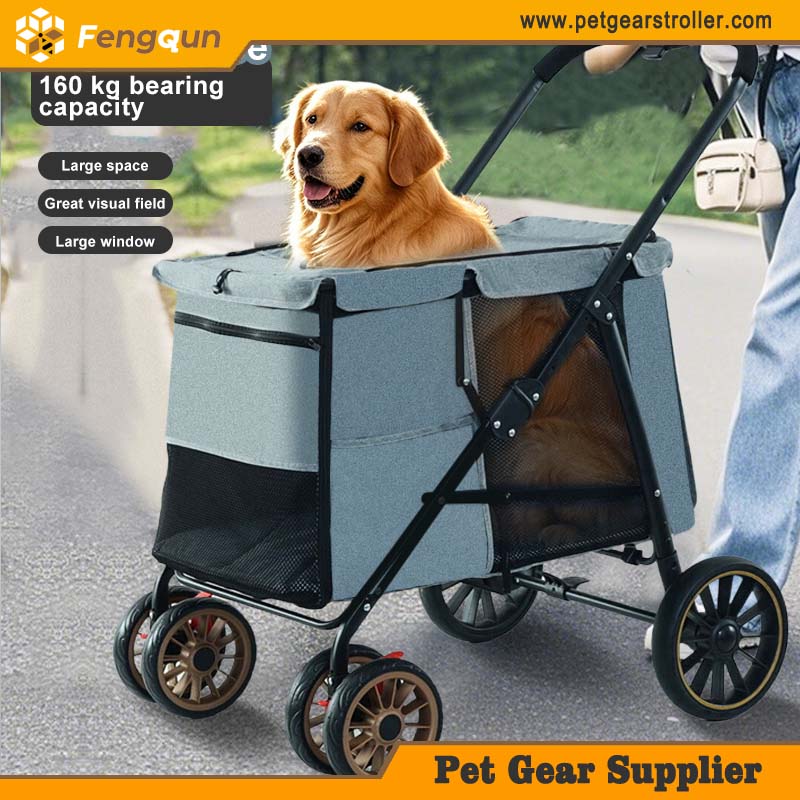
Addressing the Core Challenges of Aging and Disability
Aging and disability in pets present a constellation of interlinked challenges that strollers are uniquely positioned to address.
1. Osteoarthritis and Joint Degeneration:
Osteoarthritis is prevalent in older dogs and cats, causing pain, stiffness, and reduced willingness to walk. While controlled, low-impact exercise remains crucial, the distance an arthritic pet can manage unaided shrinks. A stroller enables conditioned exercise: the owner can walk to a park, allow the pet to walk on soft grass for a short, therapeutic period, and then provide transport home. This prevents over-exertion, manages pain cycles, and avoids the "boom-bust" pattern where a good day leads to over-activity followed by days of recovery. The stroller’s suspension system and pneumatic wheels further absorb sidewalk shocks, providing a smoother ride than being carried in arms, which can strain both owner and pet.
2. Cardiovascular and Respiratory Conditions:
Pets with heart disease, tracheal collapse, or obesity-related breathing difficulties (like brachycephalic obstructive airway syndrome in pugs or bulldogs) have severely limited exercise tolerance. For them, even short walks can trigger dangerous dyspnea (labored breathing) or excessive cardiac load. A stroller allows these pets to enjoy outdoor sensory enrichment—smells, sights, sounds—without the physiological stress of ambulation. This mental stimulation is vital for preventing boredom and depression, common in pets whose physical world has contracted due to illness.
3. Neurological and Orthopedic Conditions:
Conditions like Intervertebral Disc Disease (IVDD), degenerative myelopathy, hip dysplasia, or recovery from orthopedic surgery often necessitate strict exercise restriction or complete crate rest. Confinement, however, can lead to anxiety and muscle atrophy. A stroller serves as a mobile safe zone. It permits the pet to be part of family outings, vet visits, or simply a change of scenery without risking further injury. It prevents jumping, twisting, and stumbling, allowing for controlled environmental exposure during the healing process or as a permanent mobility aid for paralyzed pets (who may use a cart for home mobility but a stroller for longer outings).
4. Cognitive Dysfunction Syndrome (CDS):
Analogous to dementia in humans, CDS causes disorientation, altered sleep-wake cycles, and anxiety in senior pets. Routine and environmental enrichment are primary management tools. A daily stroller ride at a consistent time provides a predictable, low-stress stimulus. The moving panorama of the neighborhood can help engage a declining mind, while the secure enclosure mitigates anxiety from spatial disorientation. The routine itself becomes a cognitive anchor.
Psychological and Behavioral Benefits: The Overlooked Dimension
The benefits extend far beyond the physical.
1. Reduction of Stress and Anxiety:
For a pet with limited vision, hearing, or mobility, the outside world can be intimidating. The pet stroller acts as a security den, a familiar, enclosed space from which to observe safely. This is particularly crucial for pets with conditions like blindness or deafness, who can become easily startled. The stroller buffers them from unexpected touches, off-leash dogs, or loud noises, turning a potentially stressful walk into a calm excursion.
2. Prevention of Social Isolation and Depression:
When walks become impossible, pets lose their primary source of environmental engagement. They miss the mental "work" of processing scents and exploring. This sensory deprivation can lead to apathy, lethargy, and depression. A stroller directly combats this by reinstating that sensory input. Furthermore, it keeps the pet involved in social family activities, preventing them from being left behind—a key factor in maintaining their social bond and sense of belonging.
3. Management of Multi-Pet Household Dynamics:
In homes with pets of varying abilities, a stroller allows the whole "pack" to walk together. An older dog can ride while a younger one walks alongside. This maintains family unity, prevents jealousy or frustration in the limited pet, and allows the owner to meet the exercise needs of all animals simultaneously.
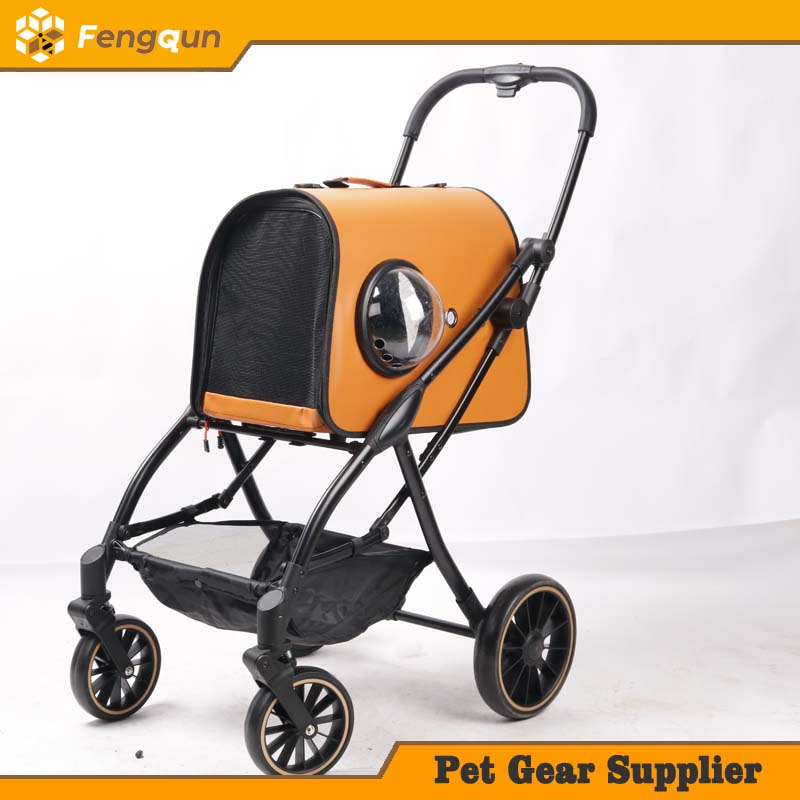
Technical Design Features for Specialized Support
Not all strollers are equal. Key design elements are paramount for special needs applications.
Stability and Suspension: A wide wheelbase prevents tipping. Shock-absorbing springs or pneumatic tires are essential for pets with spinal pain or arthritis, minimizing jolts from uneven surfaces.
Entry and Interior Design: Low-threshold or full-frontal openings are crucial for pets unable to climb. The interior should have a removable, padded, and waterproof mattress for comfort and incontinence management. A non-slip floor is vital for pets who wish to stand or reposition.
Ventilation and Visibility: Full mesh panels provide airflow crucial for brachycephalic breeds and allow the pet to see out without feeling exposed. Zippered flaps offer weather protection and privacy.
Security: Multiple leash clips inside, sturdy zippers, and a locking brake system are non-negotiable safety features.
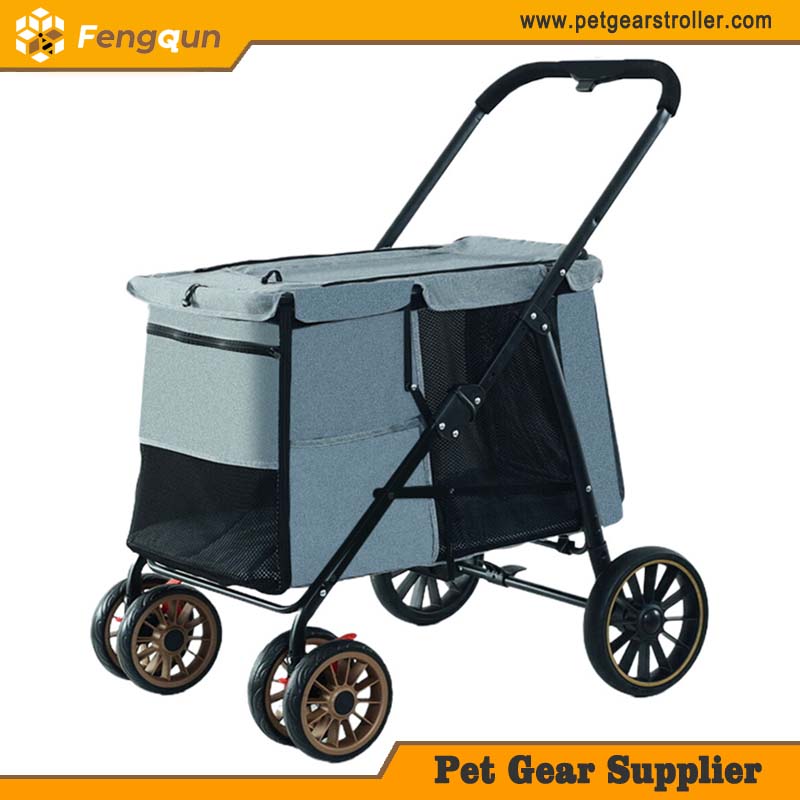
Weight and Maneuverability: Lightweight aluminum frames and swiveling front wheels (with lockouts) make the stroller manageable for owners, who may themselves have strength limitations.
Practical Implementation and Transitioning Your Pet
Introducing a stroller requires patience. The process should be positive and gradual:
Acclimatization at Home: Assemble the stroller indoors. Let the pet investigate it. Place familiar bedding and treats inside with the door open.
Short, Positive Sessions: Initially, place the pet inside for brief periods with praise and treats, without moving. Then, take short, calm rides around the house.
First Outdoor Ventures: Begin in a quiet, familiar environment. Keep initial trips short and rewarding.
Integrating into Routine: Consistently use the stroller for a specific enjoyable activity, like going to the park for a picnic, solidifying it as a positive tool.
Considerations and Limitations:
A stroller is a supplement, not a replacement for all veterinary care or appropriate exercise. Pets still need supervised, vet-approved physical activity to maintain muscle tone and joint health. Stroller time must be balanced with other forms of enrichment and interaction. Furthermore, in hot weather, vigilance is critical to prevent overheating, even with mesh panels.
Conclusion
The pet stroller, when viewed through the lens of geriatric and special needs care, transforms from an accessory into a legitimate piece of adaptive technology. It is an engineering solution to a biological and psychological problem. By mitigating pain, reducing stress, providing mental stimulation, and preserving social inclusion, strollers directly combat the isolation and decline that often accompany aging and disability in pets. They empower owners to proactively maintain their companion’s quality of life, extending the joyful, shared experiences that form the heart of the human-animal bond. For the older dog who can no longer hike but can still smell the pine forest air, or the disabled cat who can feel the sun on her face in the garden once more, the stroller is not a cage on wheels—it is a passport back to the world.
For more about how do pet strollers help older pets or pets with special needs, you can pay a visit to FengQun Pet Gear Supplier for more info.






