From Function to Fashion: The Design and Trends of Pet Strollers
The image of a dog trotting alongside its owner is a classic tableau of pet ownership. Yet, an increasingly common sight in urban parks, shopping districts, and city sidewalks is that of a canine or feline passenger comfortably riding in a stroller. Once a niche product primarily associated with infirm or elderly pets, the pet stroller has undergone a radical transformation. It has evolved from a purely functional mobility aid into a significant lifestyle accessory, reflecting deeper shifts in how we perceive, care for, and integrate our animal companions into modern life. This journey from function to fashion encapsulates a fascinating interplay of industrial design, evolving consumer psychology, and socio-cultural trends.
The Functional Genesis: Utility and Necessity
The origins of the pet stroller are rooted in uncompromising utility. Initially, these devices served clear, practical purposes for a limited demographic. The primary early adopters were owners of small, aging, injured, or post-operative pets who could no longer manage long walks. Veterinarians often recommended strollers as a means of providing mental stimulation and outdoor exposure without physical strain. Similarly, owners of brachycephalic breeds (like Pugs or French Bulldogs), prone to respiratory issues, found strollers essential for safe outings in warm weather.
The design of these early models was strictly pragmatic. They prioritized:
Structural Safety: Robust, often heavy frames with secure locking mechanisms to prevent accidental collapse.
Containment: Zippered mesh enclosures to keep the pet securely inside.
Basic Comfort: Simple padded flooring.
Mobility: Adequate wheels for smooth pavement, though maneuverability was often secondary to stability.
Aesthetics were an afterthought; colors were typically limited to blacks, blues, and grays, and the design language echoed that of utilitarian toolboxes or basic luggage. The value proposition was singular: to solve a specific problem of pet mobility. There was little consideration for the owner's experience beyond the core function.
The Design Evolution: Engineering Comfort and Experience
As the market expanded, design priorities broadened from addressing basic needs to enhancing the overall experience for both pet and owner. This marked the first major shift towards consumer-centric design in the pet stroller industry. Engineering efforts began to focus on sophistication, convenience, and multi-functionality.
Key design advancements include:
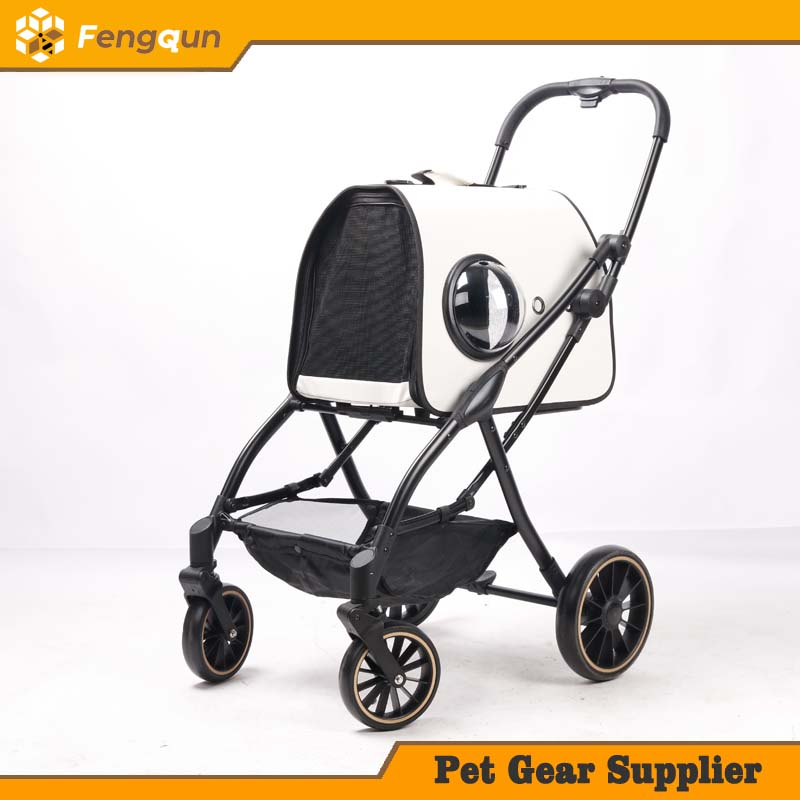
Chassis and Maneuverability: Inspired by high-end human baby strollers, manufacturers adopted lightweight yet durable aluminum alloys. Suspension systems were introduced to absorb shocks from uneven terrain. The switch from fixed front wheels to swivel wheels with locking capabilities dramatically improved agility, allowing for easy navigation in crowded stores or tight corners. One-handed folding mechanisms, often with auto-lock features, became a selling point for urban dwellers with limited storage space.
Comfort and Climate Control: Pet comfort was redefined. Memory foam padding replaced basic cushioning. Ventilation became a science, with designs featuring panoramic mesh windows on multiple sides for maximum airflow, while remaining secure. Weatherproof extensions, such as removable rain covers and sun canopies with UPF protection, turned strollers into all-season vehicles. Some luxury models even integrated quiet, battery-operated fans.
Modularity and Multi-Functionality: The concept of the stroller as a single-use item dissolved. Designers created modular systems where the carrier could detach to function as a car seat or a temporary indoor bed. Storage solutions were optimized, with larger undercarriage baskets for groceries or pet supplies and accessory pockets for keys, phones, and waste bags. This transformed the stroller from a pet-only transporter into a practical daily assistant for the owner.
This phase was characterized by the application of human-product interaction principles to pet technology. The stroller was no longer just for the pet; it was a tool designed to make the owner's life easier and more integrated.
The Fashion Ascent: Self-Expression and the "Pet Parent" Identity
The most profound transformation has been the stroller's emergence as a fashion statement and a symbol of identity. This trend is driven by the powerful cultural concept of "pet parenting," where animals are considered full-fledged family members. Consequently, products for them are subject to the same aesthetic and brand-conscious scrutiny as products for human family members.

Several interwoven trends define this fashionable ascent:
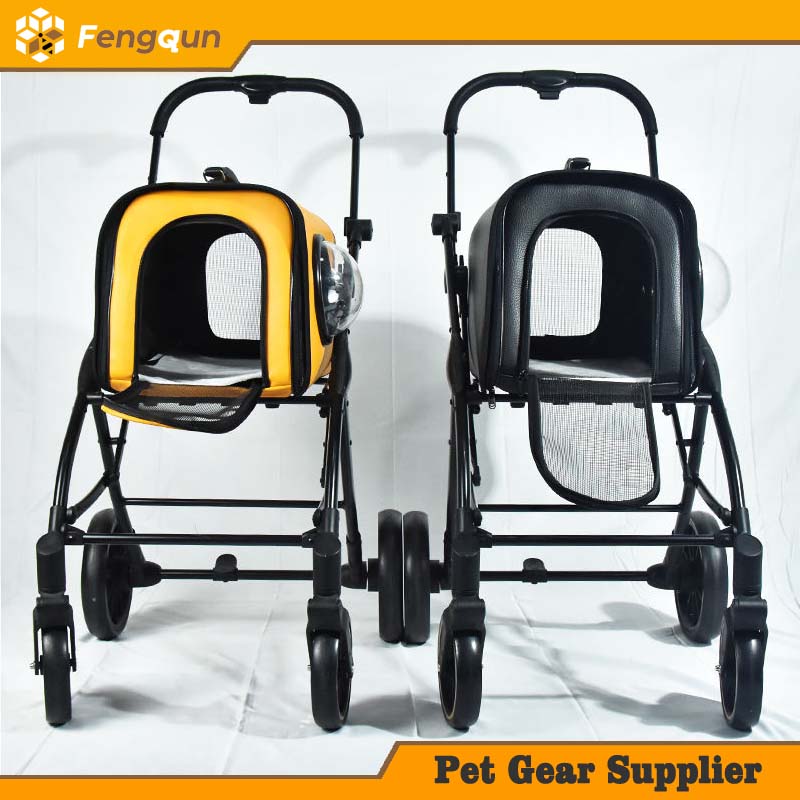
Aesthetic Diversification: The monochrome era is over. Today’s market offers a kaleidoscope of colors—from millennial pink and sage green to sleek matte black and metallic accents. Patterns range from chic polka dots and camouflage to designs mimicking luxury brand monograms. The silhouette itself has become a style choice, with options echoing everything from vintage prams to modern, minimalist sport-utility designs.
Premium Materials and Branding: High-end materials like faux leather trim, polished chrome finishes, and durable, high-denier designer fabrics are common. Brands are building identities around lifestyle segments: some target the outdoor adventurer with rugged, all-terrain looks, while others court the urban sophisticate with sleek, modernist designs. The stroller has become an extension of the owner's personal style.
"Pet-fluencer" Culture and Social Media: Platforms like Instagram and TikTok are powerful accelerants. The photo-ready pet in a stylish stroller is a staple of pet influencer content. This visibility normalizes and glamorizes stroller use, pushing demand for unique, eye-catching designs. It’s no longer just about walking the dog; it’s about curating a shareable lifestyle image.
Inclusivity and Specialized Designs: Fashion meets function in specialized strollers. There are designer strollers for multiple pets, oversized models for large breeds, and ultra-compact "backpack-stroller" hybrids for hiking. This inclusivity reinforces the idea that every pet, regardless of size or need, deserves a product that is both functional and reflective of their owner's care and taste.
Driving Forces and Future Directions
The popularity of fashionable pet strollers is not a superficial trend but a response to concrete societal shifts:
Urbanization: In dense cities, strollers protect pets from hazards like crowded sidewalks, hot asphalt, and potential altercations with other dogs.
Humanization of Pets: As pets are increasingly viewed as emotional companions and children substitutes, spending on their comfort and happiness mirrors spending on human family members.
Expansion of Pet-Friendly Spaces: With more cafes, stores, and public areas welcoming pets, strollers provide a controlled, polite, and clean way to include pets in diverse social settings.
Looking ahead, trends point towards further innovation:
Smart Technology Integration: Expect GPS tracking, Bluetooth speakers for calming music, integrated activity monitors, and even climate control systems synced to smartphone apps.
Sustainable Design: As eco-consciousness grows, demand will rise for strollers made from recycled materials, biodegradable fabrics, and with fully recyclable components.
Advanced Safety Tech: Proximity sensors, brake-assist systems, and smart locks could become standard features.
Hyper-Personalization: Direct-to-consumer brands may offer extensive customization options, from fabric patterns to modular add-ons, making each stroller a unique creation.
Conclusion
The evolution of the pet stroller from a clunky, functional aid to a coveted fashion accessory is a remarkable narrative in modern consumer design. It traces a path from addressing simple physical needs to fulfilling complex emotional and social desires. Today’s pet stroller is a multifaceted product: it is a mobile safe haven for the animal, a convenience tool for the owner, and a public declaration of the human-animal bond. It symbolizes how design, when responsive to cultural currents, can redefine everyday objects. No longer merely a vessel for transport, the contemporary pet stroller is a rolling testament to the fact that for millions, pets are family—and family deserves to travel in style. As design and technology continue to advance, the pet stroller will undoubtedly keep pace, remaining at the intersection of function, fashion, and heartfelt companionship.
For more about from function to fashion: the design and trends of pet strollers, you can pay a visit to FengQun Pet Gear Supplier for more info.






