Choose the Right Pet Stroller for Your Pet, Not the Expensive
In an era where pets are increasingly treated as family members, the pet stroller has emerged as a must-have accessory for many owners. These wheeled carriers allow dogs, cats, and even small animals like rabbits to join their humans on walks, hikes, or errands without the physical demands of trotting alongside. Imagine strolling through a bustling city park or navigating a crowded farmer's market—your pet safely ensconced in a cozy cabin, protected from the chaos below. Pet strollers are particularly beneficial for senior pets with arthritis or mobility challenges, tiny breeds that fatigue quickly, post-surgery recoveries, or even anxious animals who prefer a secure vantage point. According to experts, one of the primary advantages is enabling pets to enjoy the outdoors while minimizing risks like overheating, paw injuries from hot pavement, or encounters with aggressive dogs.
But here's the catch: the pet stroller market is flooded with options ranging from budget-friendly models under $50 to luxury versions exceeding $500. It's tempting to equate higher price tags with superior quality, but that's not always the case. Many affordable strollers incorporate durable materials, safety features, and user-friendly designs that rival their pricier counterparts. The real secret to a great purchase lies in matching the stroller to your pet's specific needs and your daily routine, not chasing brand names or flashy add-ons. For instance, if you live in an urban apartment, a lightweight, foldable stroller might suffice, while rural adventurers may need something more rugged. This guide will walk you through the essential steps to choose wisely, covering your pet's requirements, key features, types of strollers, budgeting strategies, top affordable recommendations, and maintenance tips. By the end, you'll be equipped to select a stroller that enhances your pet's life without breaking the bank—proving that "right" trumps "expensive" every time.

Understanding Your Pet's Needs
Before browsing models, start with a deep dive into your pet's profile. The foundation of any good stroller choice is ensuring it fits your furry companion physically and behaviorally. First and foremost, consider size and weight. Measure your pet's length from nose to tail base, height at the shoulders, and current weight—then add a buffer for growth or seasonal fluff. Strollers list weight capacities, typically ranging from 15 pounds for small cats to over 100 pounds for larger dogs. Oversizing slightly is wise; your pet should be able to stand, turn around, and lie down comfortably without feeling cramped. For example, a Chihuahua might thrive in a compact cabin, but a Bulldog needs roomier accommodations to avoid stress or overheating.
Breed-specific traits play a role too. Brachycephalic breeds like Pugs or French Bulldogs, prone to breathing issues, benefit from strollers with excellent ventilation to prevent respiratory distress on warm days. Long-haired breeds such as Pomeranians may require models with removable, washable liners to handle shedding. Activity level is another key factor: if your pet is energetic and joins you on jogs, opt for a model with shock-absorbing wheels. Conversely, for a sedentary senior cat, prioritize plush padding and easy entry/exit points to accommodate limited mobility.
Health considerations can't be overlooked. Pets with joint problems, like older Labs with hip dysplasia, need pet strollers with low-entry designs or ramps for painless boarding. Injured or post-op animals appreciate secure harness attachments to prevent escapes. Even environmental factors matter—urban dwellers might need strollers with reflective strips for nighttime visibility, while those in rainy climates should seek waterproof fabrics. Lifestyle integration is crucial: if you travel frequently, a stroller that doubles as a carrier or folds flat for car storage is ideal. By assessing these elements, you avoid common pitfalls like buying a stroller too small (leading to discomfort) or overly bulky (making it impractical). Remember, the goal is a stroller that feels like an extension of your pet's home, promoting relaxation and enjoyment rather than confinement.
Take a hypothetical scenario: a city-dwelling owner with a 10-pound Yorkie. This pet needs a lightweight stroller for subway rides and park strolls, emphasizing portability over ruggedness. In contrast, a suburban family with a 50-pound Golden Retriever puppy might prioritize durability and growth potential. Tailoring to needs ensures longevity—many owners report using the same stroller for years when chosen thoughtfully. Ultimately, this personalized approach saves money by steering clear of impulse buys that end up unused in the garage.
Key Features to Look For
Once you've profiled your pet, evaluate stroller features that blend functionality, safety, and convenience. Start with the frame and materials: aluminum or steel frames offer a balance of lightness and strength, resisting rust in wet conditions. Avoid cheap plastic that warps over time; instead, look for weather-resistant fabrics like nylon or polyester for the canopy and cabin. These materials are easy to clean and provide UV protection, shielding sensitive skin from sun damage.
Wheels are a make-or-break element. Three-wheeled designs excel for maneuverability in tight spaces, while four-wheeled models provide stability on uneven terrain. Opt for air-filled or EVA foam tires for shock absorption, especially if you frequent gravel paths or hills—these mimic baby stroller tech for a smoother ride. Swivel front wheels facilitate quick turns, but lockable options add control during jogs. Suspension systems further cushion bumps, ideal for fragile pets.
Ventilation and canopy design ensure comfort. Mesh panels allow airflow, preventing stuffiness, while adjustable canopies offer shade or full enclosure during rain. Look for zippered entries for easy access and multiple viewing windows so your pet can people-watch without feeling isolated. Storage is practical: undercarriage baskets hold treats, water bottles, or leashes, and cup holders keep your hands free.
Safety features are non-negotiable. Rear-wheel brakes prevent rolling on slopes, interior leashes or tethers secure jumpy pets, and reflective accents boost visibility. Padding should be orthopedic-quality for joint support, and quick-release mechanisms aid emergencies. Foldability enhances portability— one-hand folds are a boon for busy owners, collapsing the stroller to fit in trunks or closets.
Ergonomics extend to you: adjustable handles suit different heights, reducing back strain. Multi-functionality, like convertible strollers that become carriers or bike trailers, adds value. When shopping, read reviews for real-world insights—features like waterproof zippers might seem minor but prove invaluable in practice. By prioritizing these, you get a stroller that's safe, comfortable, and versatile, often at mid-range prices rather than premium ones.
Types of Pet Strollers
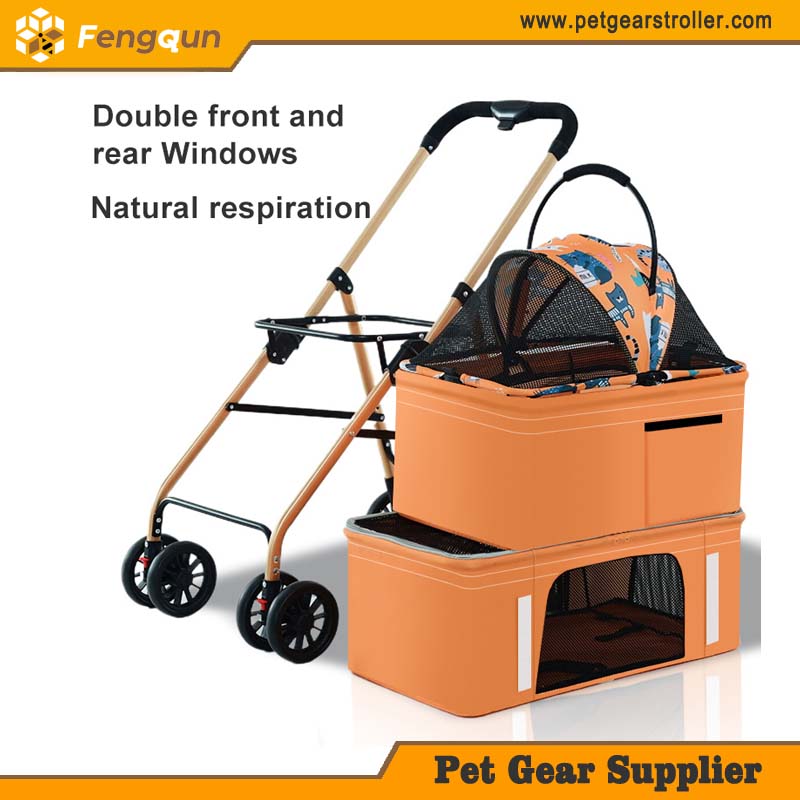
Pet strollers come in various types, each suited to specific scenarios. Standard walkers are everyday essentials: compact, lightweight (under 15 pounds), and affordable, perfect for casual urban strolls. They feature basic mesh cabins and swivel wheels, holding pets up to 30 pounds. Ideal for small dogs or cats in apartments, they're easy to store but less robust on rough ground.
Jogging strollers cater to active owners. With larger, air-filled tires and fixed front wheels for stability at speed, they handle runs or hikes. Suspension absorbs jolts, and aerodynamic designs reduce drag. Capacities often reach 75 pounds, making them suitable for medium breeds like Beagles. However, they're bulkier when folded.
All-terrain models are built for adventure: oversized wheels conquer grass, sand, or snow, with rugged frames enduring elements. Great for rural living or beach trips, they include weather shields and ample storage. Drawbacks include higher weight (20+ pounds) and cost, though affordable versions exist under $200.
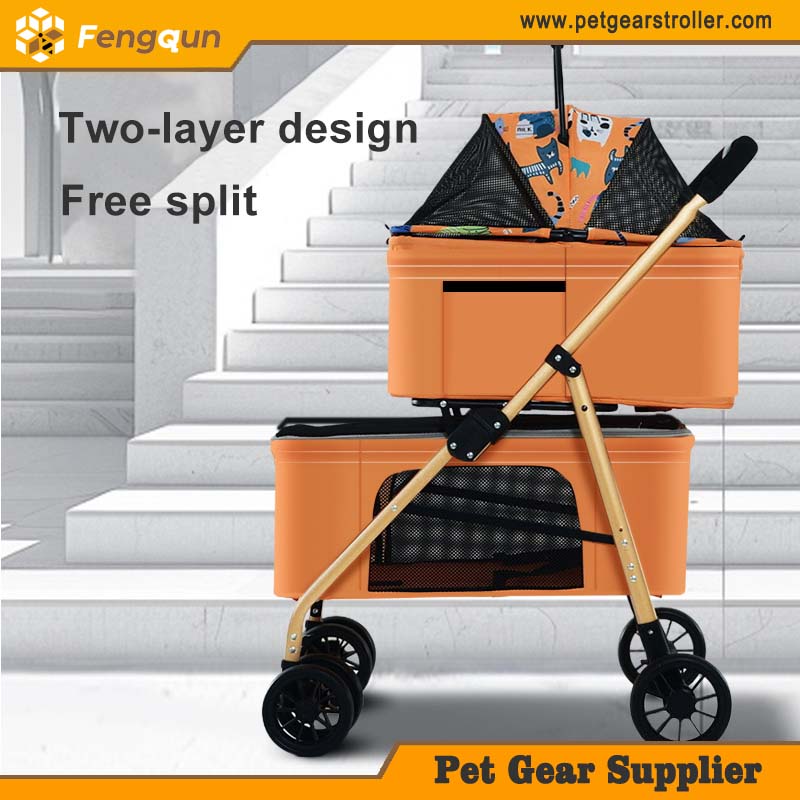
Multi-pet strollers accommodate siblings, with divided cabins or expandable designs for two to four animals. Useful for multi-cat households or small dog packs, they emphasize balance to prevent tipping. Travel-friendly types prioritize compactness: ultra-foldable with carry handles, they fit airline overheads or public transport. Some convert to backpacks or car seats for seamless transitions.
Specialty options include luxury models with extras like built-in speakers or heated pads, but remember: these aren't necessary for most. For large breeds, heavy-duty strollers with reinforced bases support up to 150 pounds. Choosing the type aligns with your routine—don't overbuy; a standard model often suffices for 80% of users.
Budgeting Wisely
Price shouldn't dictate quality. Entry-level strollers start at $40-$80, offering basic safety and comfort for occasional use. Mid-range ($100-$200) add durability and features like better wheels. High-end ($300+) boast premium materials, but differences are often cosmetic. Seek value: read warranties (1-2 years ideal) and user ratings over 4 stars. Sales on sites like Amazon or Chewy can slash costs—look for bundles with accessories.
Avoid pitfalls like brand hype; generic models from Best
Pet or Frisco match big names. Factor in long-term savings: a sturdy $150 stroller lasts longer than a cheap $50 one that breaks. Budget for extras like rain covers ($20) if needed. Ultimately, match price to usage—frequent users justify more investment, but casual ones thrive on affordability.
Top Affordable Recommendations
Based on 2025 reviews, here are standout budget picks:
1. PetGear No-Zip Happy Trails Lite: At around $80, this lightweight (11 pounds) stroller holds up to 20 pounds. Features include a panoramic view, easy fold, and storage basket. Testers praise its maneuverability for city use.
2. Gen7Pets Regal: Priced under $100, it supports 25 pounds with smart-latch zippers and air tires. Ideal for small pets, with plush padding and cup holders.
3. Frisco Collapsible: Budget-friendly at $70, folds flat, holds 33 pounds. Mesh ventilation and brakes make it versatile for walks.
4. HPZ Pet Rover: Around $150, all-terrain with shock absorbers, up to 50 pounds. Great for hiking without luxury pricing.
5. Petique Glacier: Under $120, compact with one-hand fold, supports 45 pounds. Eco-friendly materials and ventilation shine in reviews.
These prove affordability doesn't compromise quality.
Maintenance and Care
To maximize lifespan, maintain your stroller diligently. After use, wipe frames with a damp cloth and mild soap—avoid harsh chemicals that damage fabrics.
Spot-clean stains immediately, and air-dry thoroughly to prevent mold. Check wheels monthly for wear; lubricate axles and replace pairs for balance.
Inspect zippers, brakes, and seams for looseness, tightening as needed. Store in a dry, covered spot to avoid rust. For fabric liners, machine-wash on gentle if removable. Regular care—weekly checks and deep cleans quarterly—extends usability, saving replacement costs.
Conclusion
Choosing the right pet stroller boils down to needs over extravagance. By evaluating your pet's profile, prioritizing features, selecting the apt type, budgeting smartly, and maintaining well, you'll find a companion that enriches adventures affordably. Skip the expensive hype; invest in what truly fits. Your pet will thank you with wags and purrs on every outing.
For more about the choose the right pet stroller for your pet, not the expensive, you can pay a visit to FengQun Pet Gear Supplier for more info.






