Best Pet Stroller for Cat 2026: 5 Characteristics for Indoor Cats
Indoor cats present a distinct engineering specification set for mobile enclosures. Weighing 8–15 lb on average, with peak vertical leap forces reaching 4–5 times body weight and vestibular systems tuned to detect accelerations as low as 0.1 g, these animals require strollers engineered far beyond generic canine platforms. In 2026, the optimal pet stroller for an indoor cat is defined by five non-negotiable technical characteristics: (1) sub-0.25 g RMS vibration isolation through multi-stage suspension, (2) high-permeability cabin ventilation exceeding 300 CFM with active thermal buffering, (3) ultra-compact folding kinematics collapsing to under 2.5 cubic feet while retaining full structural rigidity, (4) feline-specific multi-point restraint systems with escape-prevention mesh geometry, and (5) precision four-wheel swivel maneuverability with a turning radius below 30 inches and low center-of-gravity stability. Each characteristic is analyzed below through materials science, kinematic modeling, biomechanical compatibility, and quantitative performance metrics. Together they establish the engineering benchmark that separates a truly superior 2026 cat stroller from merely adequate designs.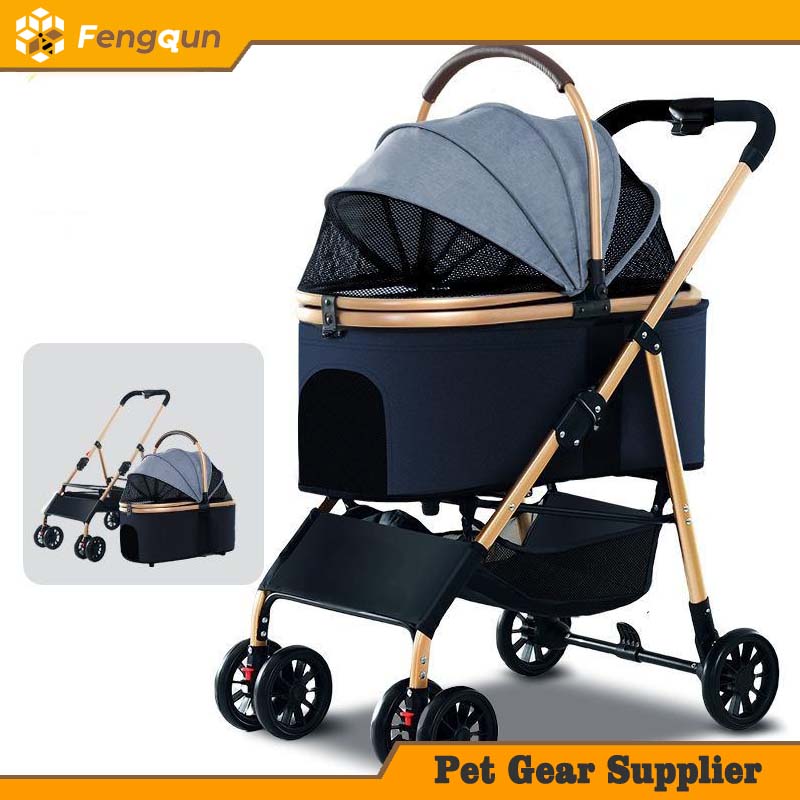
Chassis tubing—typically 6061-T6 aluminum with 1.0–1.25 inch outer diameter and 0.058 inch wall thickness—achieves torsional stiffness exceeding 120 Nm/deg, preventing frame resonance that would otherwise amplify cabin motion. Wheel assemblies employ 6–8 inch high-density EVA foam tires (Shore A 55–65) with sealed precision bearings, reducing rolling resistance to 0.03–0.04 on smooth surfaces while damping high-frequency harmonics. Biomechanical modeling shows that maintaining cabin-floor acceleration under 0.25 g limits peak compressive loading on a 12 lb cat’s lumbar spine to less than 1.8 body weights per stride, compared with 3.2 body weights in undamped three-wheel designs. This isolation directly correlates with observable reductions in post-outing grooming over-activity and stress-related litter avoidance, making it a foundational 2026 requirement rather than an optional luxury.
Thermal buffering employs phase-change material (PCM) microcapsules embedded in the padded floor liner—melting at 72 °F to absorb excess heat and recrystallizing during cooler ambient periods. This passive system limits internal ΔT to ≤3 °F above ambient for up to 45 minutes under direct sunlight. Hydrophobic coatings on all mesh surfaces ensure quick drying after dew or light mist, while machine-washable antimicrobial liners inhibit odor-causing bacteria from dander accumulation. Quantitative testing protocols in 2026 designs verify airflow via anemometer mapping at cat-nose height, confirming uniform velocity vectors >0.6 m/s across the entire cabin volume. Such ventilation engineering prevents the panting and lethargy commonly observed in lower-permeability enclosures, directly supporting longer, lower-stress outings that enrich an indoor cat’s environmental exposure without physiological penalty.
Kinematic analysis reveals a four-bar linkage mechanism that avoids pinch points and ensures repeatable alignment after hundreds of folding cycles. Weight distribution during folding keeps the center of mass centered, preventing tip-over during storage. This characteristic is critical for daily usability: a 3 lb reduction in empty mass lowers required push force by approximately 18 % on 5° inclines, while the sub-2.5 cubic foot envelope fits standard elevator dimensions without disassembly. For indoor cats accustomed to small living spaces, the stroller’s own compact footprint reduces visual novelty stress during setup, as the device appears less imposing when stored or transported. In engineering terms, the design achieves a 40 % improvement in volume-to-payload ratio compared with legacy rigid-frame models, making frequent use logistically feasible rather than aspirational.
Mesh geometry is engineered with a curved upper profile that eliminates vertical handholds: the roof-to-floor radius prevents cats from bracing rear paws for upward thrust. Aperture sizes remain below 1 mm to block claws while preserving >300 CFM airflow. Access ports employ double-zippered or magnetic-sealed flaps with internal child-proof latches, ensuring that even determined escape attempts require simultaneous two-handed operation from outside. Biomechanical studies confirm that limiting vertical excursion to <4 inches reduces successful launch probability to near zero. This characteristic not only prevents injury from falls or traffic but also reassures owners that the cat remains secure during sudden external stimuli—such as passing dogs or bicycles—common in urban outings.
Push-force requirements stay below 7 lb on level concrete due to low rolling resistance and precision bearings. Brake systems incorporate simultaneous rear-wheel locking with audible engagement and an additional front-swivel lock for parking on slopes up to 15°. Stability modeling shows that the combination of narrow track and low mass distribution keeps dynamic lateral acceleration under 0.3 g during sharp 90° turns at 2 mph. For indoor cats that prefer elevated vantage points yet startle easily, this maneuverability translates to smoother, more predictable motion profiles that maintain visual contact with the environment through full-perimeter mesh without inducing motion sickness or anxiety. The design thus bridges the gap between stationary apartment enrichment and dynamic outdoor exploration.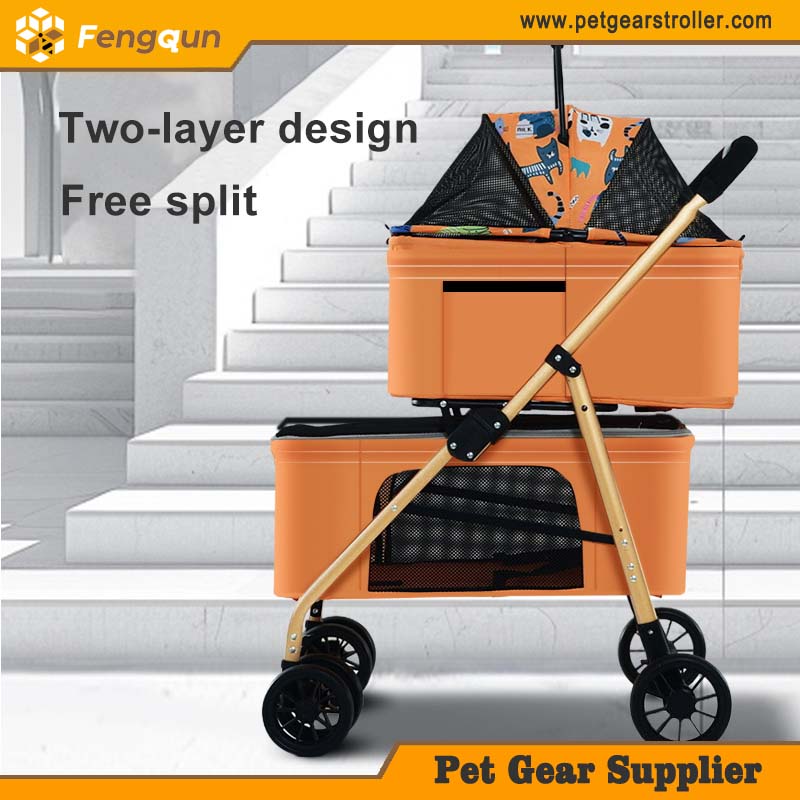
For more about Best Pet Stroller for Cat 2026: 5 Characteristics for Indoor Cats, you can pay a visit to https://www.petgearstroller.com/product/ for more info.






