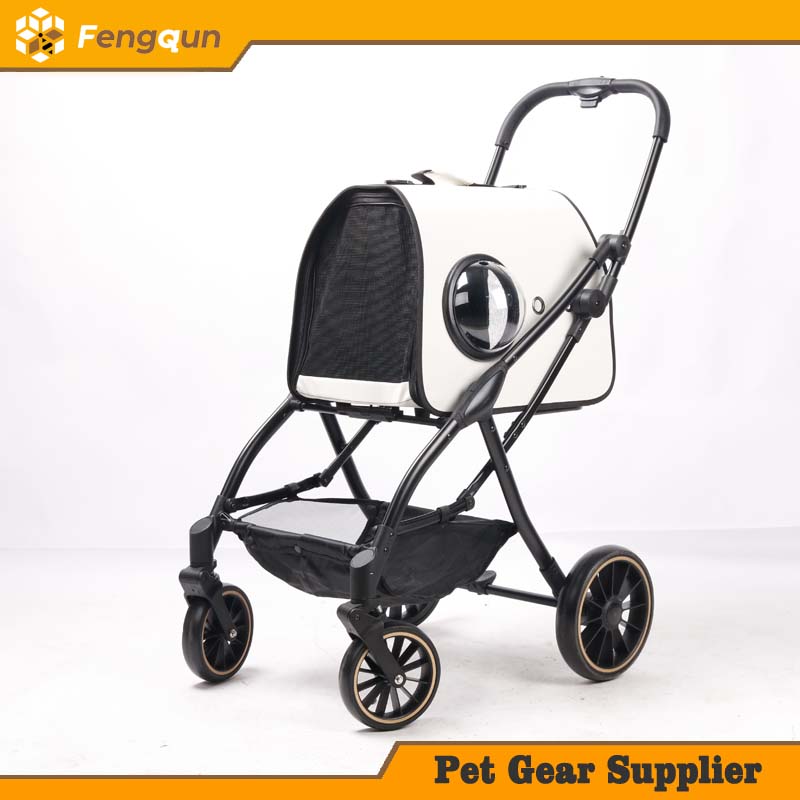
Are Pet Strollers Worth It for Small Dogs?
The proliferation of pet strollers in urban environments has prompted legitimate inquiry into their practical value for small canine companions. This technical article examines the multifaceted utility of pet strollers for small dog breeds through the lenses of veterinary medicine, biomechanics, animal behavior, and owner ergonomics. Drawing upon expert opinions from veterinary professionals and empirical observations from extensive user implementation, this analysis concludes that pet strollers represent a worthwhile investment for small dog owners under specific, well-defined circumstances. The article provides technical specifications for proper stroller selection, evidence-based acclimation protocols, and guidelines for appropriate usage patterns that maximize benefits while mitigating potential drawbacks.
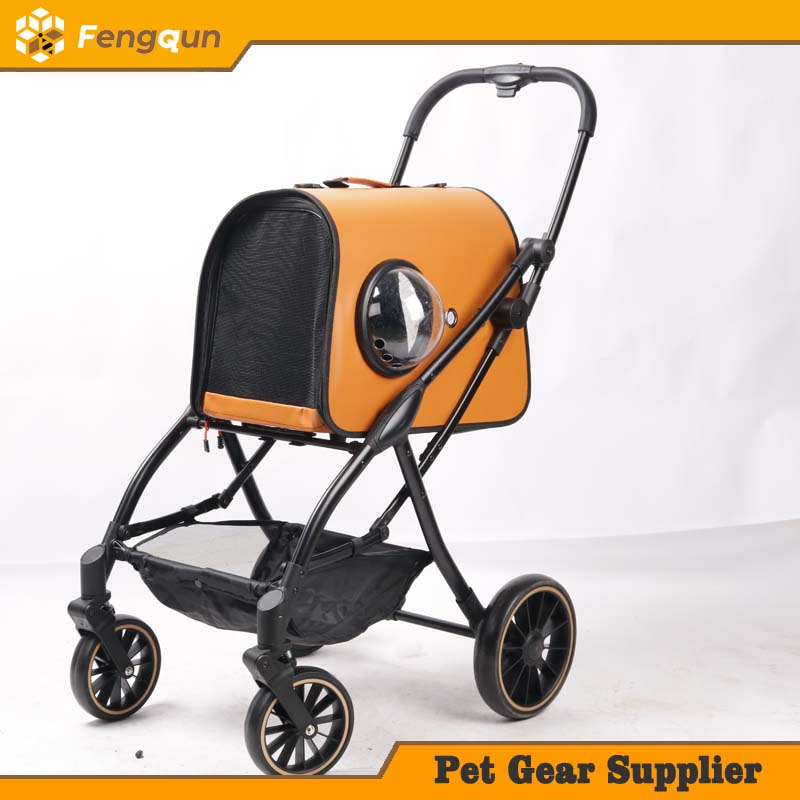
1. Introduction: The Emergence of Canine Mobility Devices
The pet stroller, once considered an eccentric accessory, has evolved into a legitimate piece of assistive technology for canine companions. Dr. Jerry Klein, Chief Veterinarian at the American Kennel Club, has observed a notable increase in stroller utilization, particularly within densely populated urban centers. This trend reflects broader societal shifts in human-animal bonding and the recognition of dogs as integral family members requiring accommodation across all life stages and health conditions.
For owners of small dogs specifically—typically defined as breeds under 30 pounds—the question of stroller worthiness demands rigorous examination. Unlike their larger counterparts, small dogs occupy a unique physiological niche characterized by elevated metabolic rates, proportionally higher energy expenditure per unit distance traveled, and distinct vulnerabilities in crowded environments. These factors collectively inform the technical case for stroller adoption.
2. Physiological and Medical Indications for Stroller Use
2.1 Cardiovascular and Musculoskeletal Considerations
The primary medical justification for pet stroller implementation centers on preventing physiological overexertion in susceptible individuals. Small dogs, despite their enthusiastic demeanor, possess limited cardiac reserve and musculoskeletal endurance compared to larger breeds. Dr. Klein explains that small dogs frequently cannot maintain pace with human walking speeds over extended distances, leading to exhaustion, muscle fatigue, and potential injury.
This limitation becomes particularly pronounced in:
Brachycephalic breeds (Pugs, French Bulldogs, Boston Terriers): Their compromised upper airway anatomy necessitates careful exercise moderation to prevent respiratory distress and hyperthermia.
Toy and miniature breeds: Their proportionally longer stride frequency requirement for human-paced walking creates disproportionate cardiovascular demand.
Puppies under one year: Their developing growth plates remain vulnerable to repetitive impact stress, making intermittent stroller rest beneficial during longer outings.
2.2 Geriatric and Orthopedic Applications
For aging small dogs, strollers function as critical mobility assistive devices analogous to wheelchairs for humans. The degenerative processes affecting senior canines—osteoarthritis, intervertebral disc disease, general sarcopenia—progressively limit ambulatory capacity. A stroller enables continued environmental engagement despite these limitations.
Dr. Julie Hunt, Associate Dean of Clinical Sciences at Lincoln Memorial University College of Veterinary Medicine, confirms that dogs under 30 pounds constitute the ideal demographic for stroller accommodation. This weight threshold correlates with typical stroller structural specifications and ensures adequate interior space for postural adjustments.
2.3 Postsurgical and Injury Recovery
The convalescent period following orthopedic surgery or soft tissue injury presents a particular challenge: the patient requires restricted mobility for healing but simultaneously benefits from controlled, gradual reintroduction to environmental stimuli. Strollers address this therapeutic paradox by enabling outdoor exposure while enforcing mechanical activity restriction. The internal safety leash attachment—a standard technical feature—prevents premature jumping or escape attempts that could compromise surgical outcomes.
3. Safety Engineering and Environmental Protection
3.1 Crowd Dynamics and Physical Vulnerability
Small dogs navigating pedestrian environments face disproportionate risks from unintentional trauma. At typical human walking speeds, a small dog positioned at ground level exists below the visual field of most pedestrians, rendering them susceptible to stepping injuries. Stroller elevation resolves this hazard through vertical displacement, positioning the animal at approximately waist height where visibility improves dramatically.
Furthermore, the stroller's structural enclosure provides crash protection against bicycle traffic, errant skateboards, and other urban mobility devices that share pedestrian infrastructure.
3.2 Thermal Regulation and Pavement Interface
The thermoregulatory challenges confronting small dogs extend beyond ambient air temperature to include conductive heat transfer from ground surfaces. Asphalt and concrete exposed to solar radiation can reach temperatures exceeding 140°F (60°C)—sufficient to cause full-thickness paw pad burns within minutes. Canine paw tissue lacks the protective thickening required for such thermal extremes.
Stroller utilization completely eliminates paw-environment contact, permitting safe outdoor access regardless of surface temperature conditions. This protection extends to cold weather scenarios where ice-melting chemicals and frozen surfaces pose chemical and mechanical risks to paw tissue.
3.3 Containment and Escape Prevention
The technical specifications of properly designed strollers incorporate multiple redundant containment systems: zippered mesh enclosures, internal leash attachments, and structural barriers that collectively prevent escape. This engineering proves particularly valuable for:
Recently adopted rescue dogs with uncertain flight responses
Dogs in estrus requiring population control
Anxious individuals prone to startle-induced bolting
High-traffic environments with vehicular proximity
4. Quality of Life Enhancement Metrics
4.1 Environmental Enrichment Through Controlled Exposure
The confinement imposed by mobility limitations—whether temporary or permanent—risks inducing environmental deprivation syndrome, characterized by behavioral stagnation, cognitive decline, and mood disturbance. Pet Strollers counteract this trajectory by facilitating continued exposure to the multisensory richness of outdoor environments.
Dr. Hunt's observations of stroller-riding dogs at parks and public venues consistently note calm, contented demeanor and positive social engagement with approaching humans. This behavioral profile suggests that stroller transport satisfies fundamental psychological needs for environmental novelty and social interaction without exceeding physiological capacity.
4.2 Social Facilitation and Human-Canine Bonding
The stroller functions as a social catalyst, rendering the canine passenger more accessible and visible to human interaction partners. Users report increased positive encounters with strangers during stroller outings, providing social stimulation beneficial for both parties. For dogs whose mobility limitations would otherwise confine them to home environments, this social engagement represents a meaningful quality-of-life enhancement.
Dr. Klein recounts clinical observations of clients utilizing strollers for aging, nearly immobile dogs, enabling "extra moments of fun" and extending the period during which shared outdoor activities remain possible. From a palliative care perspective, this extension of functional quality time constitutes a significant intervention outcome.
4.3 Reduction of Owner Physical Strain
The ergonomic benefits accruing to owners merit consideration in any comprehensive cost-benefit analysis. Carrying a small dog manually over extended distances imposes asymmetric muscular loading, typically concentrated in the supporting arm and shoulder, potentially leading to fatigue and repetitive strain injury. Strollers distribute load symmetrically through the upper and lower extremities, reducing localized fatigue and enabling longer outings.
For owners with their own mobility limitations—whether age-related, postsurgical, or chronic conditions—strollers democratize dog walking by reducing the physical demands of pet accompaniment.
5. Technical Specifications for Optimal Selection
5.1 Dimensional Analysis and Ergonomics
Proper stroller selection requires systematic matching of product specifications to individual canine anthropometrics. The fundamental principle: internal usable dimensions supersede external measurements and weight ratings. A stroller that technically supports the animal's weight but forces postural compromise fails its primary comfort function.
The following minimum interior dimensions should guide selection:
Length: Must accommodate the dog's full recumbent length from nose to tail base, plus 4-6 inches (10-15 cm) additional clearance for position adjustment.
Height: Must permit standing with natural head carriage, including 2-3 inches (5-8 cm) clearance above the withers to prevent canopy contact.
Width: Must accommodate the widest dimension—typically across hips or chest—with allowance for turning maneuvers.
For reference, a 12-pound Pomeranian measuring 14 inches in length requires a cabin minimum of 20 inches for comfortable stretching and turning.
5.2 Weight Capacity Engineering
Weight capacity specifications reflect frame structural integrity rather than comfort considerations. Industry practice recommends selecting strollers with capacity 20-30% exceeding current animal weight to provide engineering margin for accessories (pads, blankets) and future weight fluctuations.
5.3 Ventilation Architecture
Thermal management during stroller transport depends critically on ventilation design. Optimal configurations feature multiple mesh panels distributed across front, sides, and rear to facilitate cross-ventilation. Minimum ventilation area should exceed 50% of cabin surface area to prevent heat accumulation during solar exposure or elevated ambient temperatures.
5.4 Terrain-Specific Wheel Systems
Wheel engineering directly influences ride quality and maneuverability:
Urban/concrete environments: Thick, air-filled tires provide shock absorption and smooth rolling on hard surfaces.
Mixed terrain applications: Sealed ball bearings with aggressive tread patterns absorb impact from uneven surfaces while maintaining traction.
All-terrain requirements: Larger diameter wheels (8-inch front/10-inch rear) with PU construction offer enhanced obstacle clearance and shock dampening.
5.5 Restraint and Safety Hardware
Critical safety components include:
Internal attachment points: D-rings or O-rings permitting leash/harness connection to prevent escape.
Braking systems: Rear wheel dual-brake mechanisms securing stationary position.
Zipper quality: Heavy-duty construction resisting forced opening by determined occupants.
6. Acclimation Protocols and Behavioral Integration
6.1 Systematic Desensitization Approach
Successful stroller adoption requires methodical introduction respecting individual canine temperament. Dr. Hunt emphasizes that positive reinforcement constitutes the cornerstone of acclimation, with the critical principle being gradual progression and consistently positive associations.
The evidence-based protocol involves:
Phase 1 (Static familiarization) : Stroller positioned in home environment with all entrances open. Allow voluntary exploration and sniffing. Reward approach behaviors with high-value treats. Duration: multiple sessions over 2-3 days.
Phase 2 (Contained exposure) : Place dog inside stationary stroller within home. Provide continuous treat reinforcement and calm verbal reassurance. Gradually increase containment duration from seconds to minutes. Add familiar bedding for comfort.
Phase 3 (Indoor mobility) : With dog contained, push stroller slowly through home environment. Monitor stress indicators (panting, whining, freezing). Return to Phase 2 if significant distress appears.
Phase 4 (Outdoor initiation) : Begin with brief outdoor sessions in quiet, familiar locations. Progress gradually to busier environments as tolerance develops.
6.2 Pharmacological Adjuncts
For dogs exhibiting persistent anxiety despite behavioral protocols, veterinary consultation may yield appropriate pharmacological support. Dr. Hunt notes that dog appeasing pheromone (DAP) sprays can provide calming effects through olfactory stimulation. In refractory cases, short-term anxiolytic medication may facilitate acclimation until confidence develops.
6.3 Activity Balance Considerations
Stroller utilization should complement rather than replace ambulatory activity in dogs with residual mobility. Dr. Klein emphasizes that motion maintains musculoskeletal tone, cardiac conditioning, and weight management. The optimal protocol alternates periods of walking with stroller rest, permitting extended outings without exceeding physiological limits.
7. Contraindications and Limitations
7.1 Behavioral Unsuitability
Not all small dogs prove suitable stroller candidates. Dr. Hunt notes that optimal candidates demonstrate calm, friendly temperaments conducive to stationary containment and social approach. Dogs with:
Severe confinement anxiety
Aggressive responses to approaching humans
Profound sound sensitivity
History of escape artistry
may experience exacerbated stress rather than enhanced quality of life.
7.2 Substitution Concerns
Exclusive or excessive stroller use risks depriving dogs of essential exploratory behaviors and socialization opportunities. Dr. Klein warns that perpetual stroller confinement prevents ground-level environmental interaction—the sniffing, tracking, and investigating behaviors constituting canine environmental engagement. This deprivation potentially increases anxiety and reactivity.
The technical guideline: strollers serve as mobility aids, not permanent housing. Ambulatory opportunities should continue whenever physiologically feasible.
8. Empirical Evidence from Implementation
8.1 User-Reported Outcomes
Analysis of implementation data reveals consistent outcome patterns. Users report successful stroller integration across diverse applications:
Multi-pet transport: Owners successfully accommodate multiple small animals within appropriately sized strollers. One documented case describes three Chihuahuas (each under 6 pounds) sharing a stroller comfortably.
Puppy socialization: Standard Poodle puppies exceeding 20 pounds experienced successful socialization through stroller transport during early development phases.
Feline adaptation: Cat owners report positive stroller acceptance following systematic introduction protocols, enabling outdoor access for indoor-only felines.
8.2 Longitudinal Durability
Extended use data (one year weekly utilization) indicates that quality-constructed strollers maintain structural integrity across seasonal weather variation and regular folding cycles. This durability supports the investment case for well-designed products.
9. Cost-Benefit Technical Analysis
The worthiness determination ultimately reduces to individual circumstance analysis. From a technical perspective, stroller investment proves justified when:
Medical necessity exists: The animal requires mobility assistance due to age, injury, or chronic condition.
Environmental hazards present: The intended usage environment contains risks (traffic, temperature extremes, crowds) requiring engineering controls.
Owner limitations exist: Physical constraints prevent manual carrying over intended distances.
Quality-of-life expansion occurs: The stroller enables activities otherwise impossible, such as attendance at pet-friendly events or extended family outings.
For healthy young dogs without environmental exposure concerns, stroller utility remains limited. However, for the substantial population of small dogs with age-related changes, breed-specific vulnerabilities, or owners facing their own physical limitations, strollers deliver measurable functional benefits.
Conclusion
The question "Are pet strollers worth it for small dogs?" yields an affirmative response when evaluated through rigorous technical analysis. These devices serve legitimate medical functions as mobility aids for geriatric, injured, and physiologically compromised animals. They provide essential environmental protection against thermal extremes, pedestrian traffic, and urban hazards. They facilitate continued social engagement and environmental enrichment for animals whose ambulatory capacity would otherwise confine them to home environments. And they extend the period during which aging dogs and their owners can share outdoor experiences.
The key to realizing these benefits lies in appropriate selection—matching stroller specifications to individual canine anthropometrics and usage requirements—and proper implementation through systematic acclimation protocols and balanced activity planning. When these conditions are satisfied, the pet stroller transcends its superficial identity as a trendy accessory to become a legitimate assistive technology enhancing canine welfare and human-animal bond quality.
For more about Are Pet Strollers Worth It for Small Dogs? you can pay a visit to FengQun Pet Gear Supplier for more info.