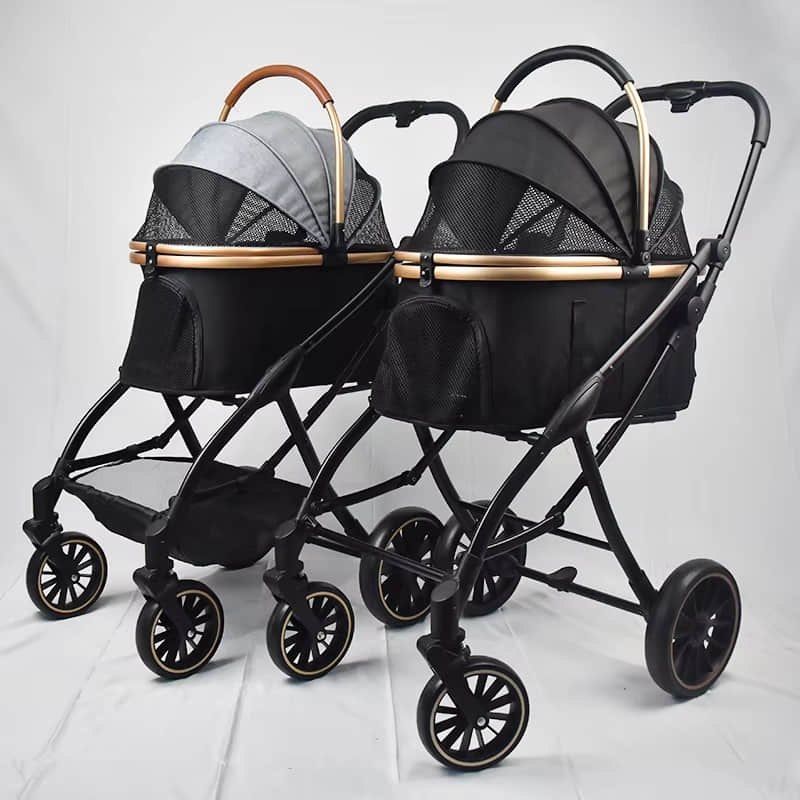
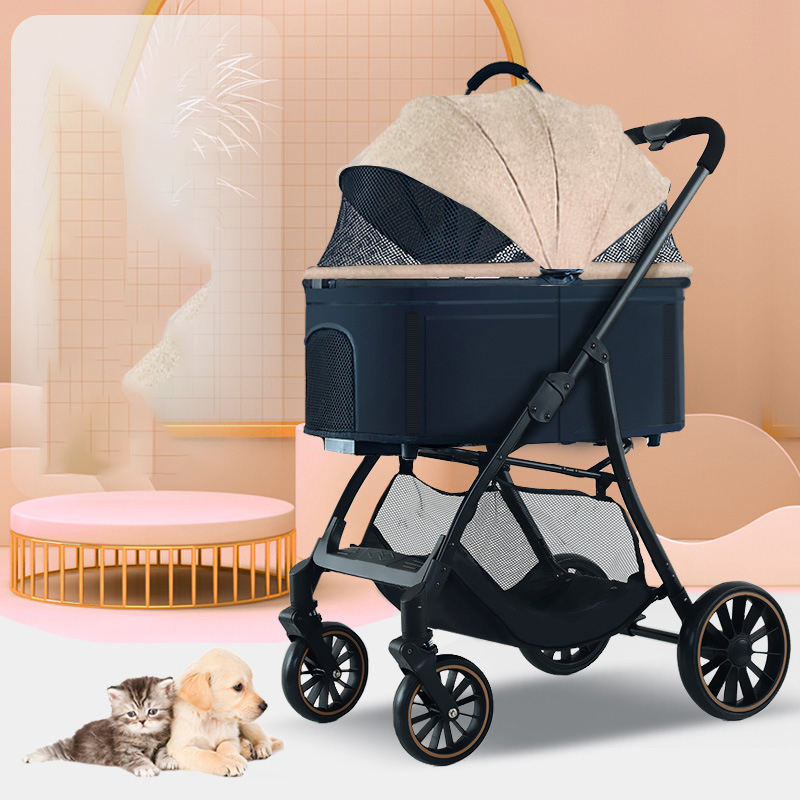
Dog Stroller: Complete Guide to Choosing the Right Stroller for Your Dog
A dog stroller is more than a convenient way to transport a pet. For senior dogs, small breeds, dogs with limited mobility, recovering pets, and owners who enjoy extended outdoor activities, a properly designed stroller can provide a safer and more comfortable transportation solution.
With many dog strollers available in different sizes, frame materials, wheel configurations, cabin designs, and folding systems, choosing the right model requires more than comparing appearance and price. Weight capacity, cabin dimensions, ventilation, wheel performance, safety systems, and overall construction should all be evaluated before purchase.
This guide explains the key specifications and selection criteria to help pet owners, retailers, and distributors choose the right pet stroller for different dogs and applications.
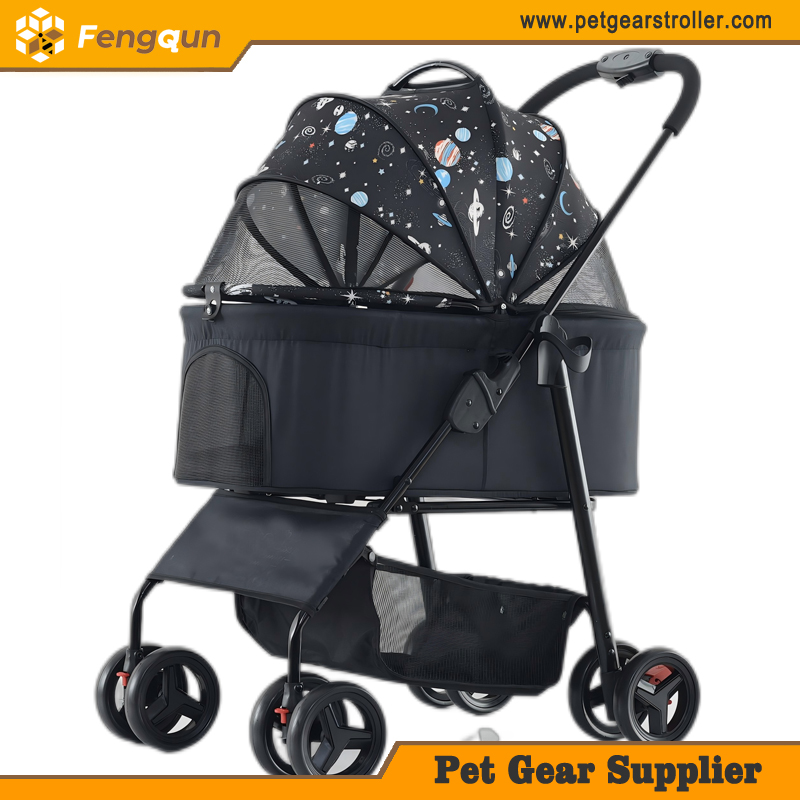
What Is a Dog Stroller?
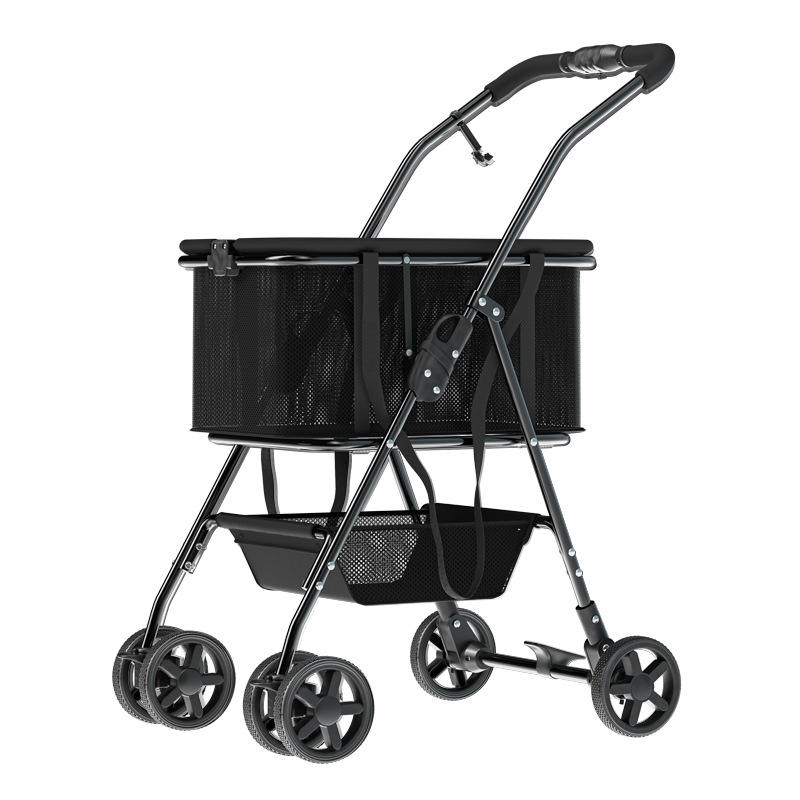
A dog stroller is a wheeled pet transportation system designed to carry a dog inside a secure cabin while allowing the owner to push the stroller. Unlike a conventional pet carrier, a stroller transfers most of the pet's weight to the wheels and frame, reducing the physical effort required from the owner.
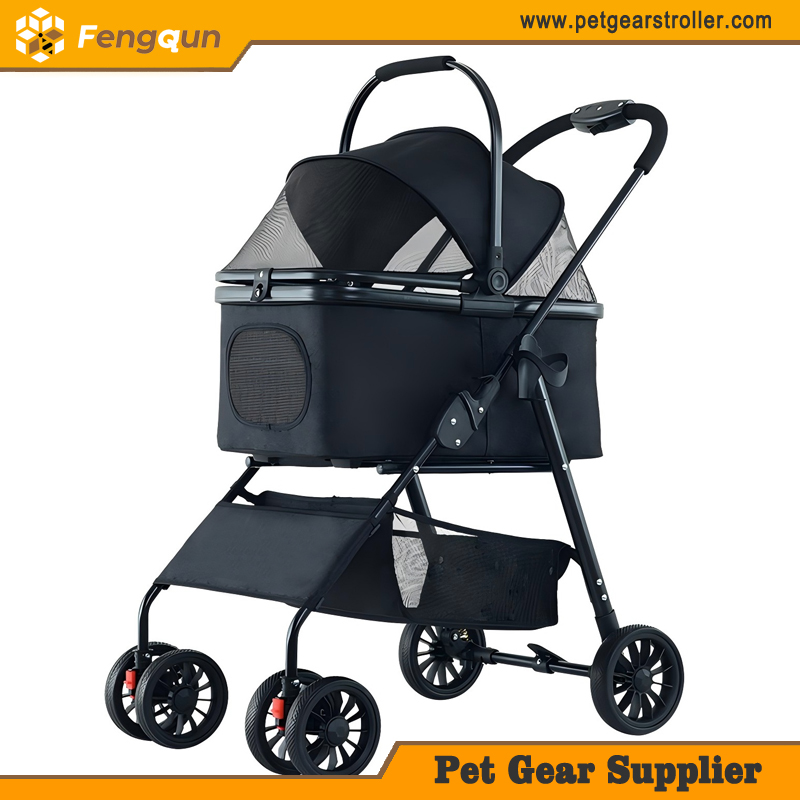
A typical dog stroller consists of several major components:
Stroller frame
Pet cabin or compartment
Wheels
Handlebar
Braking system
Safety tether
Ventilation windows
Canopy or protective cover
Storage basket
Folding mechanism
Depending on the design, a pet stroller may use an aluminum or steel frame, EVA or rubber wheels, suspension systems, mesh ventilation panels, and waterproof fabrics.
Some models are designed specifically as a lightweight dog stroller for small breeds, while others use reinforced frames and larger wheels for heavier pets and outdoor environments.
Why Do Dogs Need a Stroller?
A stroller can provide practical benefits in situations where walking for long periods is difficult or unsafe.
Senior or Mobility-Limited Dogs
Older dogs may become tired more quickly or have difficulty walking long distances. A stroller allows them to participate in outdoor activities without requiring continuous walking.
Small Dogs
Small breeds can become fatigued during extended walks. A dog stroller for small dogs provides a protected space where the dog can rest while remaining outdoors.
Recovering Dogs
After certain injuries or veterinary procedures, a dog may require restricted physical activity. A stroller can provide transportation while minimizing unnecessary walking.
Long Outdoor Activities
A stroller can also be useful for shopping areas, parks, outdoor events, travel, and extended walks where a dog may not be able to walk continuously.
Multiple Dogs
Owners with two pets may consider specialized double-compartment or high-capacity designs. The correct stroller should have sufficient weight capacity, cabin space, and frame stability for the combined load.
What Are the Different Types of Dog Strollers?
Dog strollers are available in several configurations, each designed for different applications.
Standard Dog Stroller
A standard four-wheel stroller is suitable for everyday walking, shopping, and general outdoor use. Four wheels generally provide a stable platform and predictable handling.
Lightweight Dog Stroller
A lightweight dog stroller is designed for owners who prioritize portability and easy transportation. Aluminum frames, compact wheels, and simplified folding mechanisms can reduce overall weight.
This type is particularly suitable for small dogs and owners who frequently load the stroller into a car.
Foldable Dog Stroller
A foldable dog stroller uses a collapsible frame that can be stored in a vehicle, apartment, closet, or other limited space.
When evaluating a folding system, check whether the frame locks securely in both the open and folded positions. A compact folded size is useful, but structural stability should not be sacrificed for portability.
Large Dog Stroller
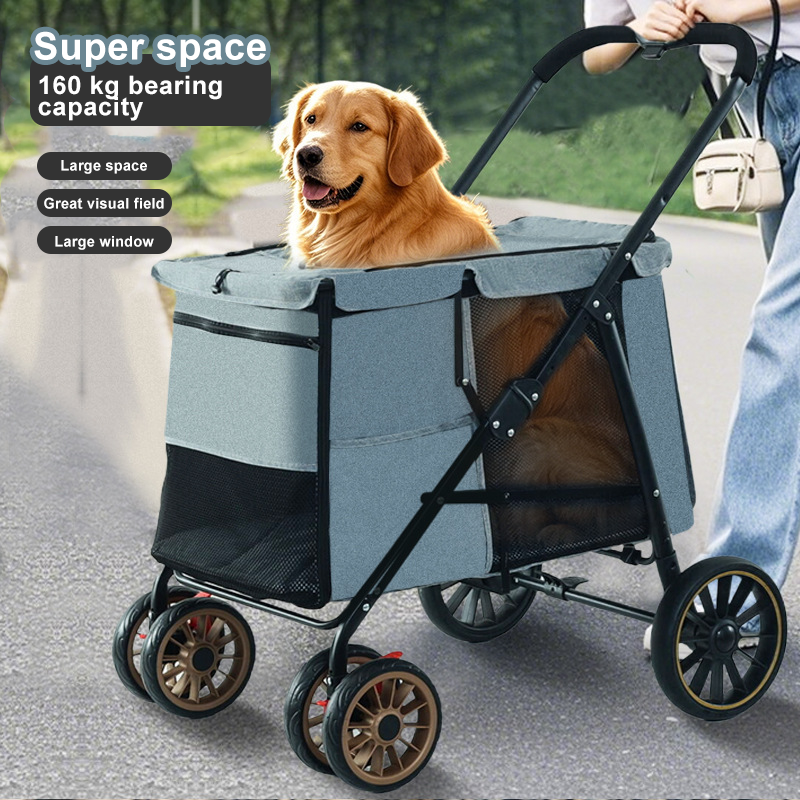
A large dog stroller generally requires a stronger frame, larger cabin, reinforced joints, and a higher weight capacity.
The cabin must also provide sufficient internal height and floor space for the dog to sit, stand, turn, and lie down comfortably.
All Terrain Dog Stroller
An all terrain dog stroller is designed for surfaces such as grass, gravel, compact dirt, and uneven sidewalks.
Large wheels, pneumatic or high-performance EVA wheels, suspension, a rigid frame, and an effective braking system can improve performance on uneven surfaces.
Dog Travel Stroller
A dog travel stroller focuses on portability and transportation. Important characteristics include a compact folded size, manageable weight, durable wheels, and easy handling.
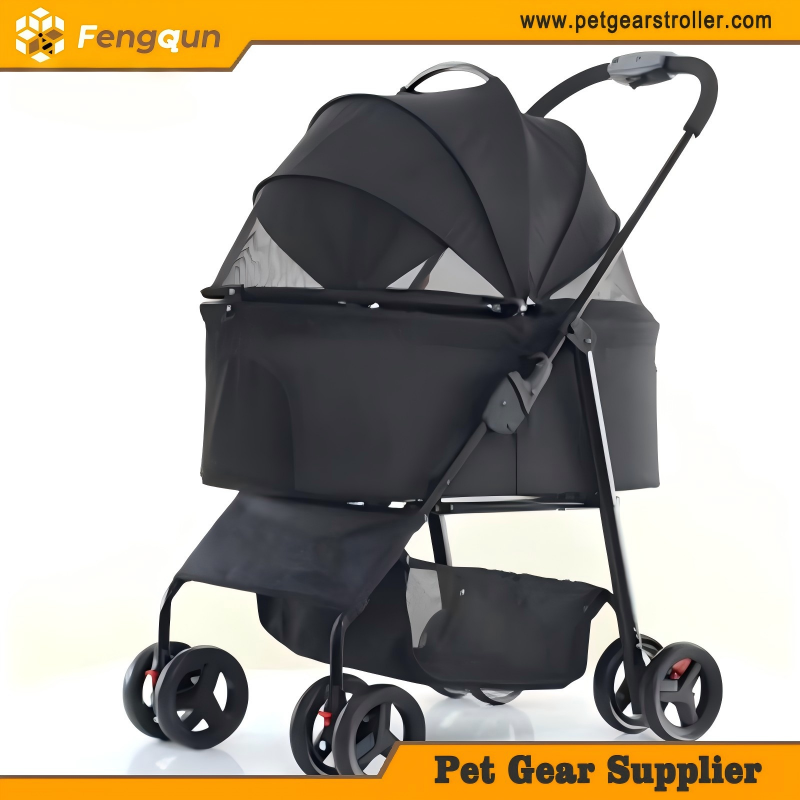
How to Choose the Right Dog Stroller
Choosing a stroller should begin with the dog's actual size and weight rather than the visual appearance of the product.
1. Check Weight Capacity
The manufacturer's maximum recommended load should exceed the dog's actual body weight. If the stroller is intended for accessories, blankets, or multiple pets, their combined weight should also be considered.
For commercial products, suppliers should clearly specify:
Maximum pet weight
Recommended pet weight
Cabin dimensions
Product weight
Maximum storage load
2. Evaluate Cabin Dimensions
Weight capacity alone does not determine whether a stroller is suitable.
The internal cabin should provide adequate space for the dog to change position. Measure the usable interior rather than relying only on the external dimensions.
3. Check Frame Construction
Frame materials influence weight, rigidity, durability, and overall handling.
Aluminum is commonly used when a balance between low weight and structural strength is required. Steel can provide greater rigidity but generally increases product weight.
For heavy-duty models, reinforced joints and load-bearing components are especially important.
4. Evaluate Wheel Design
Wheel diameter directly affects how easily a stroller moves over different surfaces.
Small wheels are convenient for smooth indoor floors and paved sidewalks. Larger wheels generally perform better on grass, gravel, and uneven surfaces.
A swivel front wheel can improve maneuverability, while a locking mechanism can provide better directional stability on rough terrain.
5. Check Suspension
Suspension helps reduce vibration transmitted from the wheels to the pet cabin.
For an all terrain dog stroller, suspension becomes more important because outdoor surfaces can produce repeated shocks and vibration.
6. Evaluate Ventilation
Good airflow is essential for pet comfort.
Look for large mesh windows positioned on multiple sides of the cabin. Mesh should provide ventilation while preventing the dog from escaping.
7. Consider Folding and Transportation
If the stroller will frequently be transported by car, a compact folding mechanism can significantly improve usability.
Measure the folded dimensions to ensure the product fits the intended vehicle storage area.
How to Measure Your Dog Before Buying a Stroller
Accurate measurement helps prevent the most common sizing problem: choosing a stroller based only on weight.
Measure the dog in a natural standing position.
Body Length
Measure from the front of the chest to the base of the tail.
Standing Height
Measure from the floor to the top of the dog's shoulders.
Sitting Height
Measure from the floor to the highest point of the head while the dog is sitting.
Weight
Use the dog's current body weight rather than an estimated breed average.
After collecting these measurements, compare them with the stroller's internal cabin dimensions, maximum weight capacity, and recommended pet size.
A suitable cabin should allow the dog to sit, lie down, and reposition itself without excessive restriction.
Dog Stroller for Different Dog Sizes
Different dogs require different stroller specifications.
Dog Stroller for Small Dogs
A dog stroller for small dogs can prioritize:
Low overall weight
Compact cabin
Lightweight frame
Easy folding
Smaller wheel configuration
Simple transportation
However, small does not automatically mean that the cabin should be extremely compact. The dog still needs sufficient room to move comfortably.
Dog Stroller for Medium Dogs
A dog stroller for medium dogs requires greater attention to frame strength and cabin dimensions.
Recommended specifications may include:
Reinforced aluminum or steel frame
Higher weight capacity
Larger wheels
Stronger wheel mounts
Larger cabin
Stable braking system
Large Dog Stroller
A large dog stroller should be selected based on both weight and body dimensions.
Large dogs often require a stronger base, larger wheels, higher ground clearance, and a more rigid cabin structure. A low center of gravity can also help improve stability.
Dog Stroller Safety Features
Safety should be considered during both product selection and everyday use.
Safety Tether
An internal safety leash or tether can prevent the dog from jumping out when the canopy is open.
The tether should be adjustable and attached to an appropriate structural point inside the cabin.
Braking System
A reliable parking brake prevents unintended movement when the owner stops.
For outdoor models, the brake should remain effective on slight slopes and uneven surfaces.
Secure Canopy
The canopy should remain securely positioned during movement while allowing sufficient ventilation.
Reflective Elements
Reflective strips or materials can improve visibility in low-light conditions.
Stable Frame
The frame should remain stable during normal pushing, turning, stopping, and loading.
Before use, inspect wheels, joints, brakes, fasteners, and folding locks regularly.
How to Fold and Store a Dog Stroller
A properly designed foldable dog stroller should be easy to collapse without excessive force.
A typical folding procedure includes:
Remove the dog and all loose items.
Engage the stroller brake.
Fold or retract the canopy if required.
Release the primary frame lock.
Activate the folding mechanism.
Compress the frame until the locking system engages.
Store the stroller in a dry and ventilated location.
Do not fold a stroller while the dog is inside. Also avoid placing excessive weight on the folded frame.
For vehicle transportation, secure the folded stroller so that it cannot move during driving.
How to Clean and Maintain a Dog Stroller
Regular maintenance can extend the service life of a pet stroller and maintain its appearance and functionality.
Fabric and Cabin
Remove loose hair and debris regularly. Wash removable fabric components according to the manufacturer's cleaning instructions.
Avoid aggressive chemicals that could damage waterproof coatings or mesh materials.
Wheels
Check wheels for accumulated dirt, hair, stones, and other debris. Rotate each wheel periodically to identify abnormal resistance or noise.
Frame
Wipe aluminum or steel frame components with a clean, damp cloth. Dry metal surfaces after cleaning to reduce the risk of corrosion.
Brakes and Folding Mechanism
Inspect the brake and folding locks regularly. If a mechanism becomes unusually difficult to operate, identify the cause before continued use.
Fasteners
Check screws, bolts, wheel attachments, and structural joints periodically. Loose hardware can affect stability and safety.
Frequently Asked Questions
Is a dog stroller good for dogs?
A dog stroller can be useful for senior dogs, small breeds, dogs with limited mobility, recovering pets, and owners who want to include their dogs in longer outdoor activities. Suitability depends on the individual dog's size, mobility, temperament, and the intended use.
Can a dog sleep in a stroller?
A dog may rest or sleep in a stroller when the cabin provides sufficient space and ventilation and the dog is safely secured. The stroller should remain stationary when the dog is resting for extended periods.
How do I choose the right size dog stroller?
Start by measuring your dog's weight, body length, standing height, and sitting height. Compare these measurements with the manufacturer's maximum weight capacity and internal cabin dimensions.
Are all terrain dog strollers suitable for large dogs?
Not necessarily. An all terrain dog stroller is designed for outdoor surfaces, but its maximum weight capacity and cabin dimensions still determine whether it is suitable for a large dog.
What is the difference between a lightweight dog stroller and a heavy-duty model?
A lightweight model generally prioritizes portability and compact storage, while a heavy-duty stroller emphasizes higher load capacity, stronger construction, larger wheels, and increased stability.
Are foldable dog strollers durable?
A folding mechanism does not necessarily reduce durability. Product quality depends on the frame material, joints, locking system, wheel construction, and manufacturing quality.
Can a dog stroller be used for travel?
Yes. A dog travel stroller can be convenient for car trips, shopping areas, outdoor events, and other situations where portability is important. Always check the transportation provider's pet and stroller requirements before traveling.
Conclusion
Choosing the right dog stroller requires a combination of pet sizing, structural design, mobility, safety, and intended-use considerations. Small dogs may benefit from a lightweight and compact design, while medium and large dogs generally require stronger frames and larger cabins. For outdoor applications, an all terrain dog stroller with larger wheels, suspension, and reliable brakes can provide better performance.
For manufacturers, retailers, distributors, and pet-product brands, product specifications should clearly communicate weight capacity, cabin dimensions, frame materials, wheel configuration, folding dimensions, safety features, and available customization options.
A well-designed pet stroller should balance comfort, safety, durability, portability, and ease of operation. By evaluating these technical factors rather than choosing solely by appearance or price, buyers can select a stroller that better matches both the dog's needs and the owner's intended use.
Recommend related products: